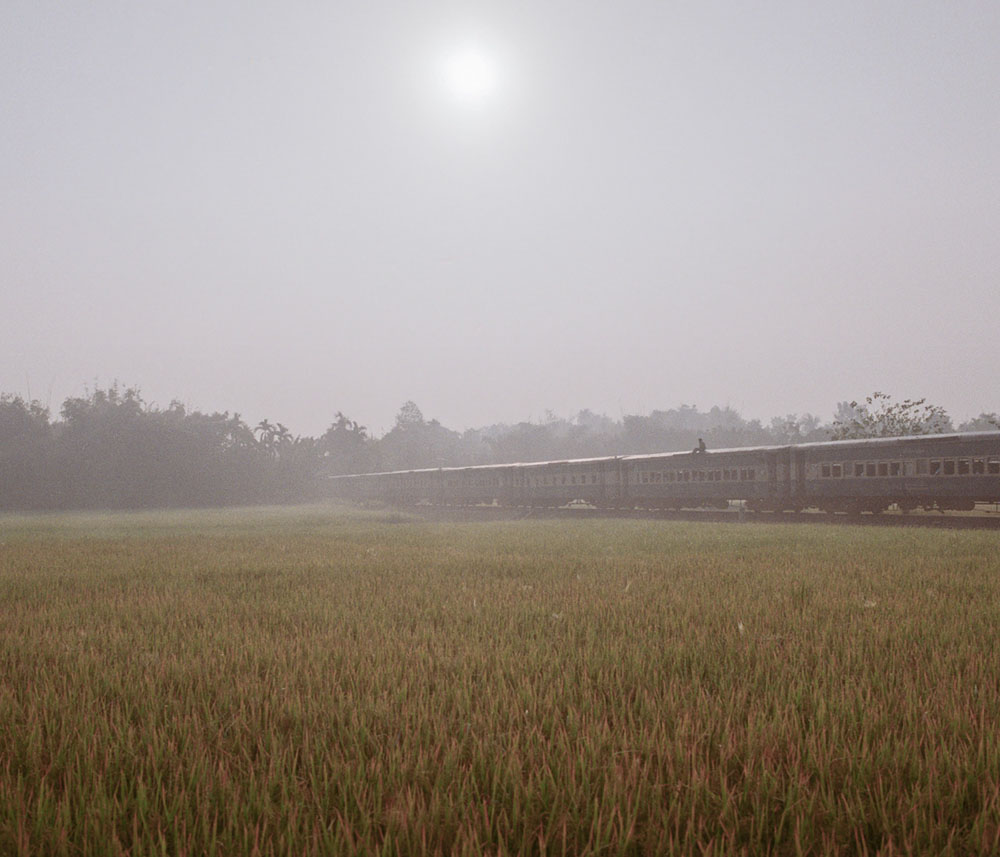
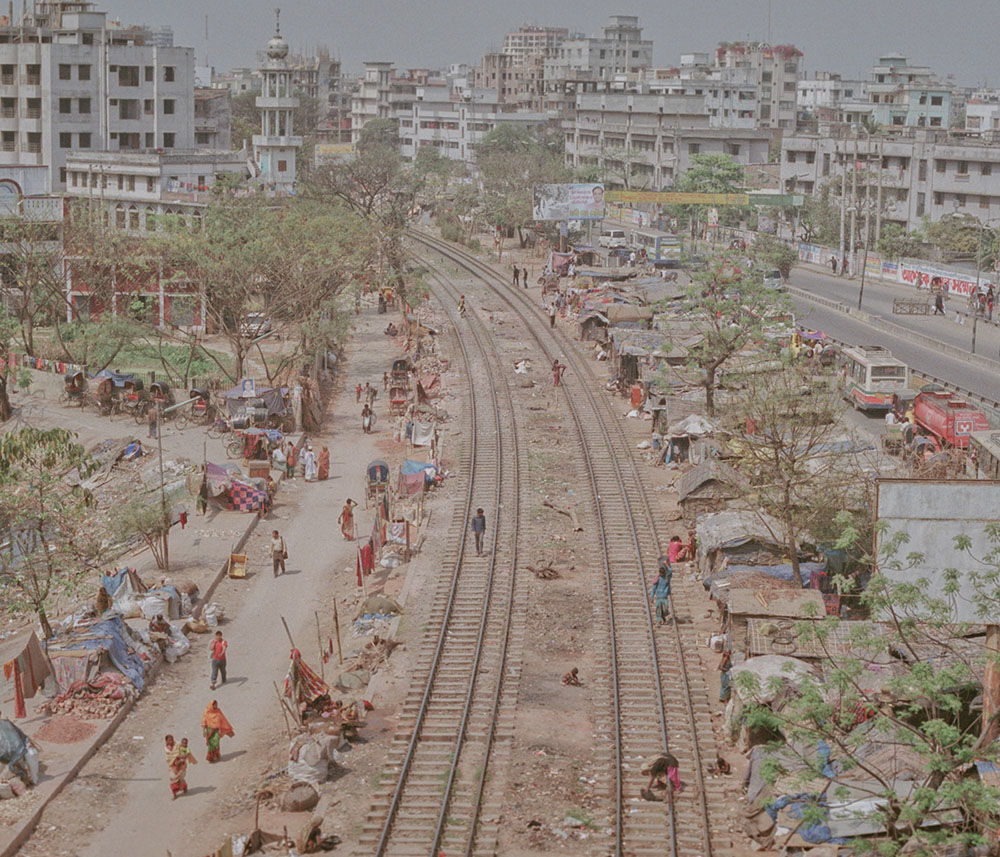
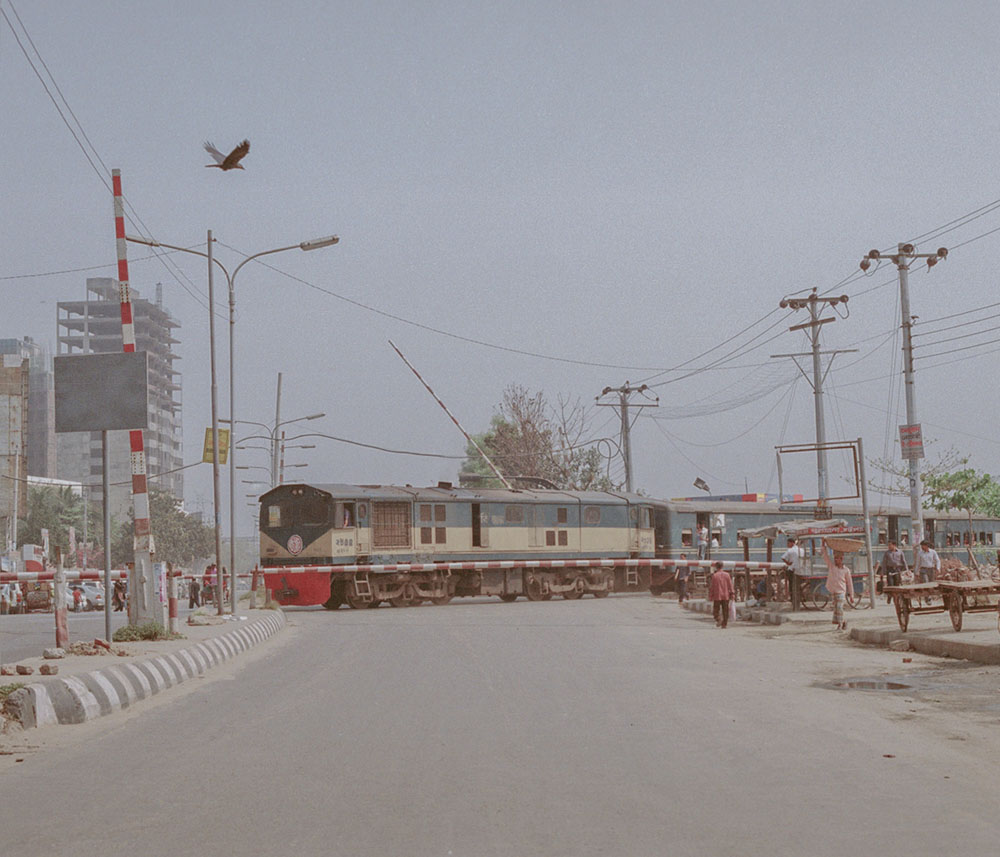
There was a time when the railway was the only route connecting me to my hometown, Jamalpur. With the arrival of newly built roads and easier bus travel, that line gradually disappeared from my regular life, becoming a distant memory rather than a lived path. Returning to the train years later, I found myself drawn back into an earlier rhythm of travel, where movement unfolds slowly, and the landscape reveals itself through repetition, pauses, and passing intervals. What first appeared as a personal journey soon became an encounter with memory, observation, and the fragile condition of a public system still carrying countless lives each day.
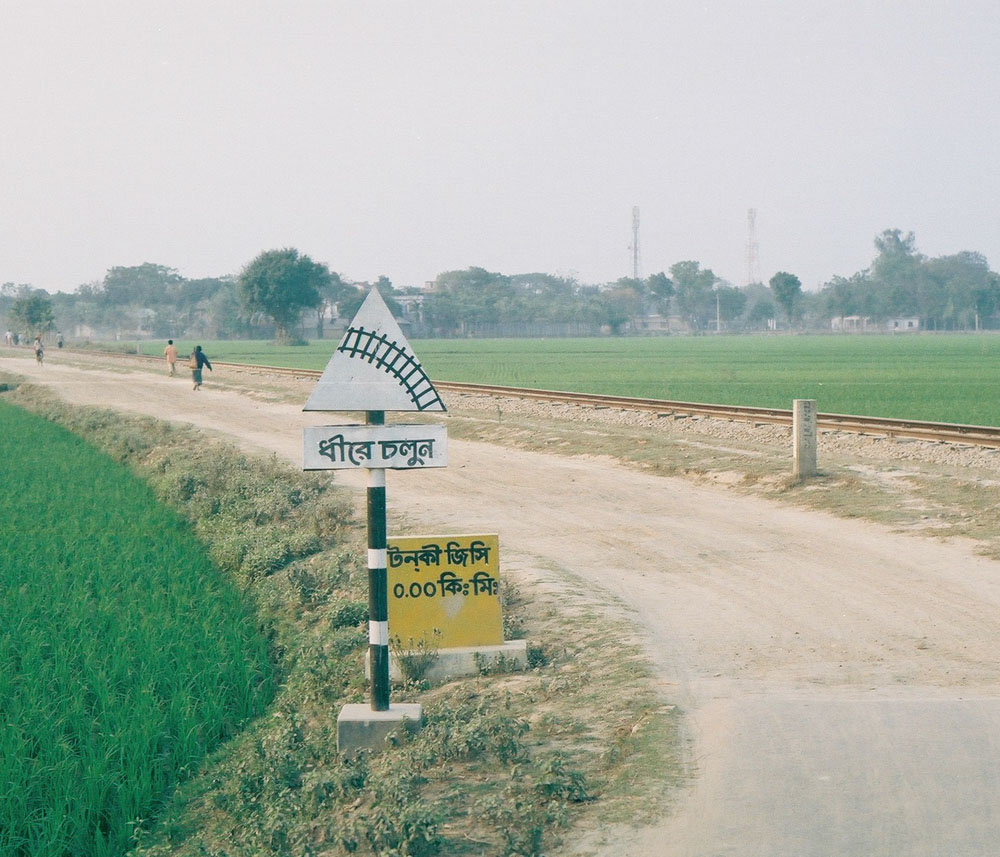
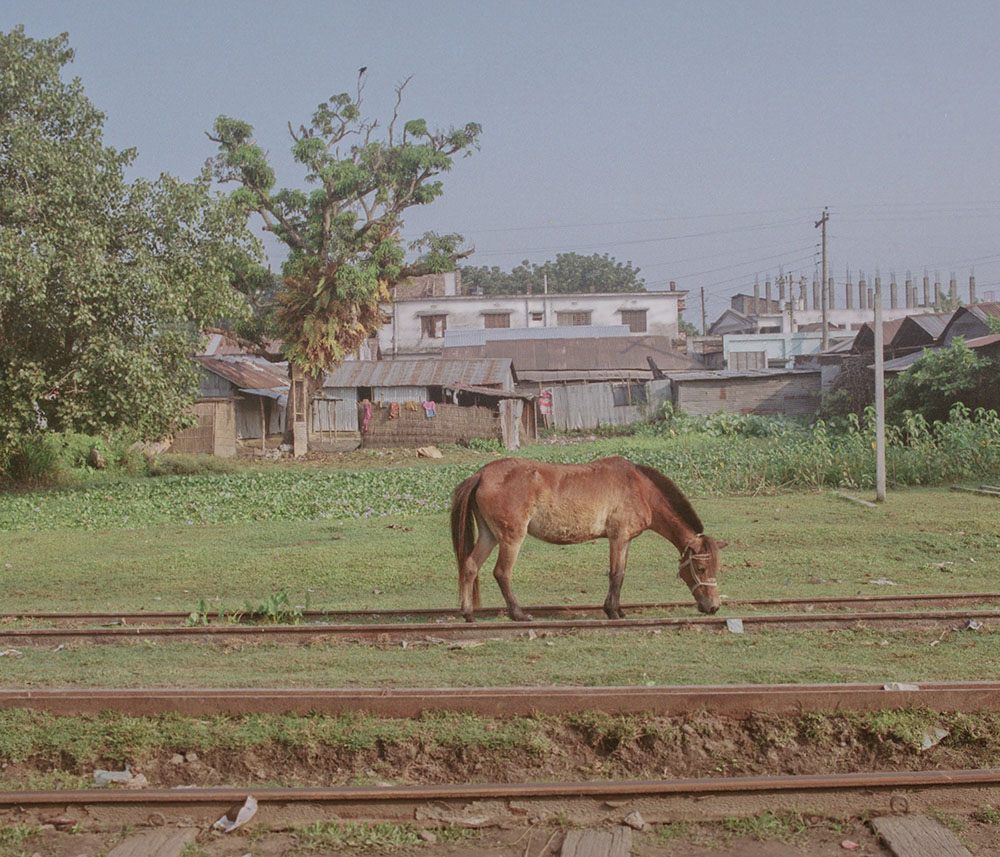
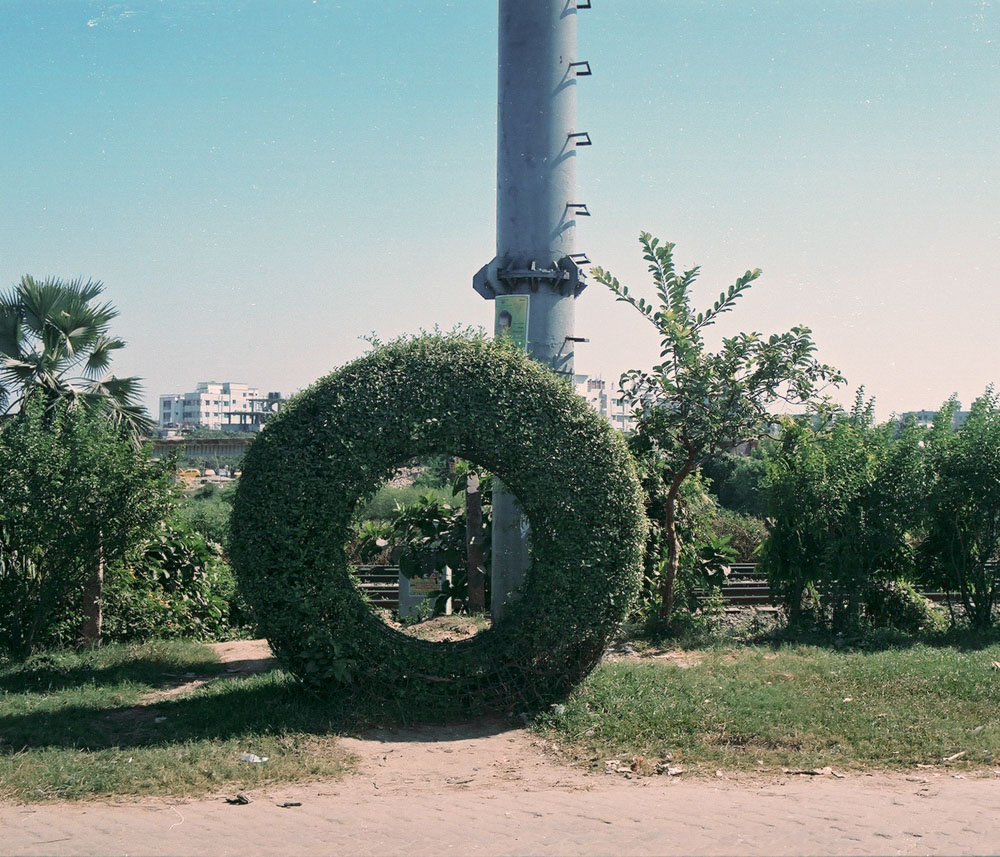
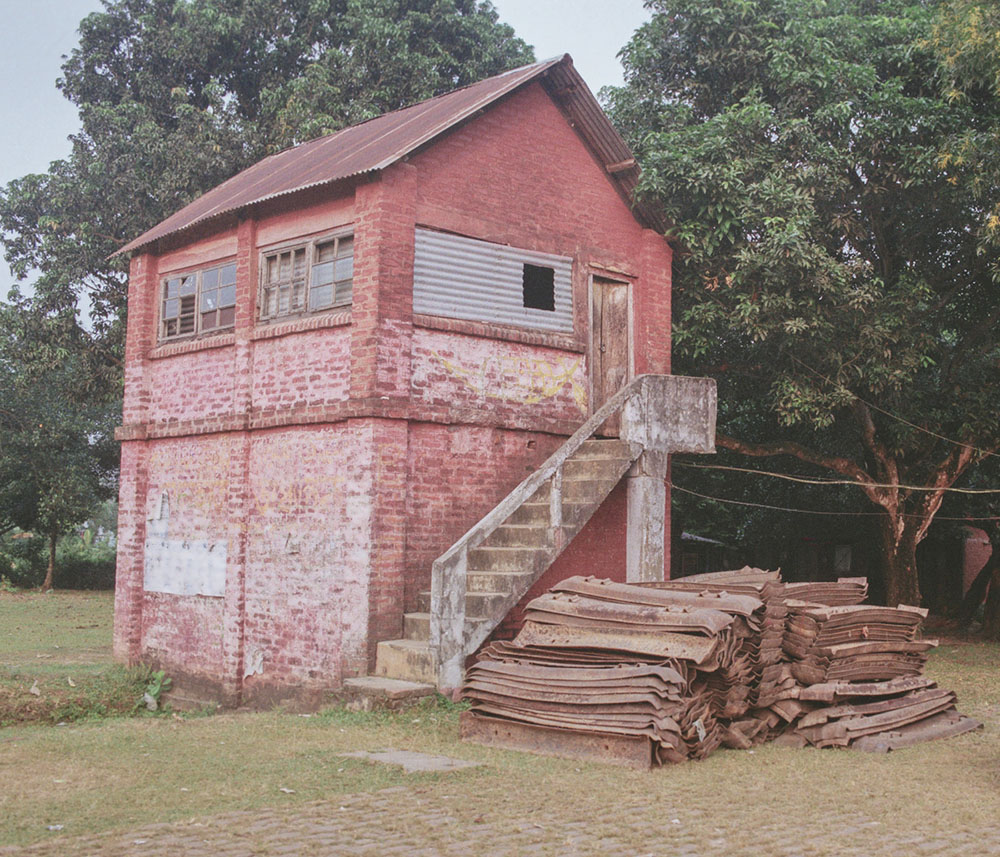
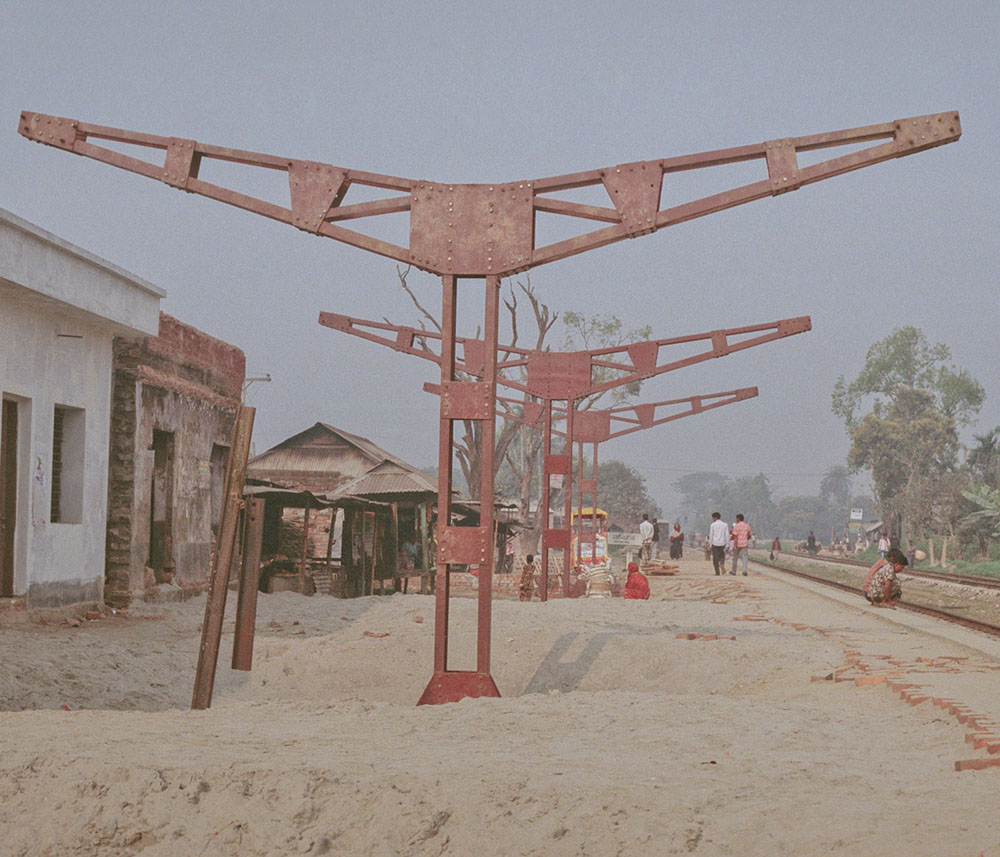
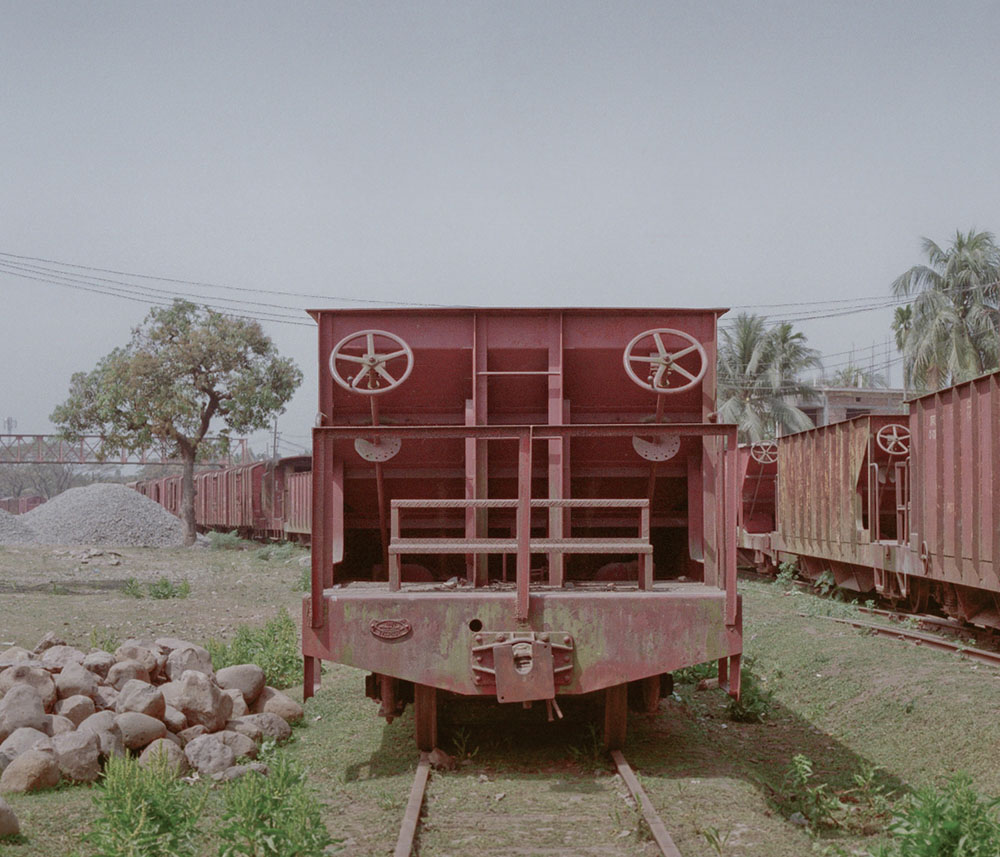
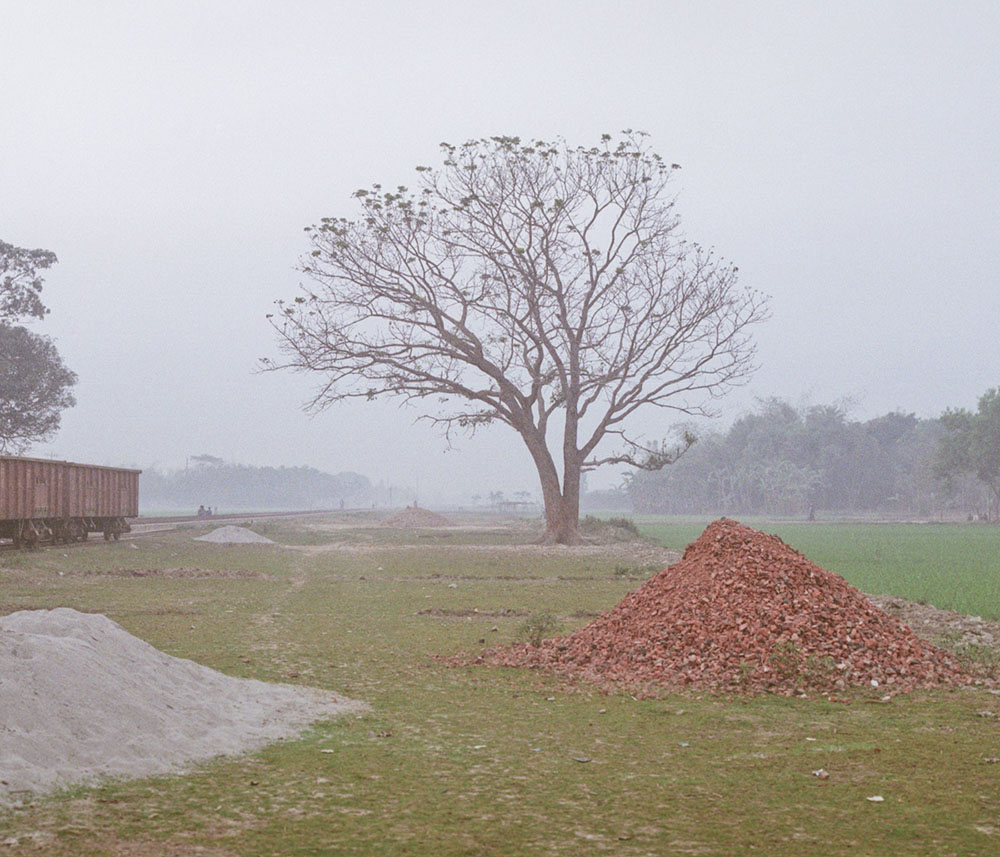
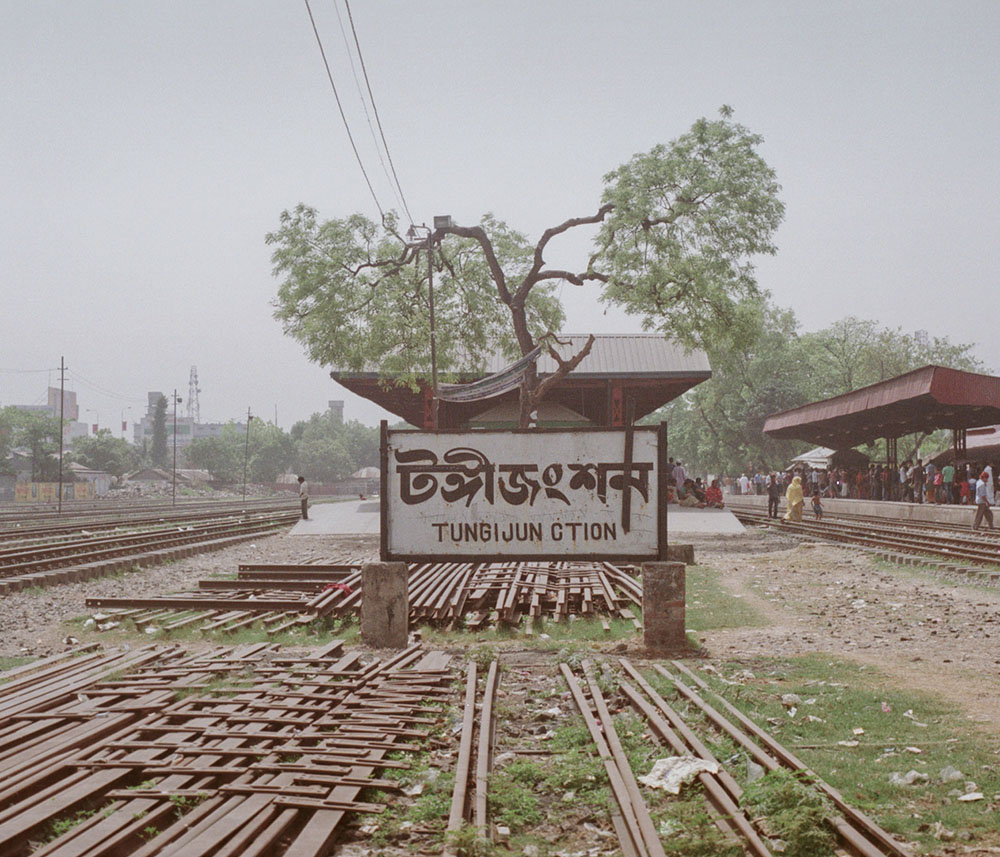
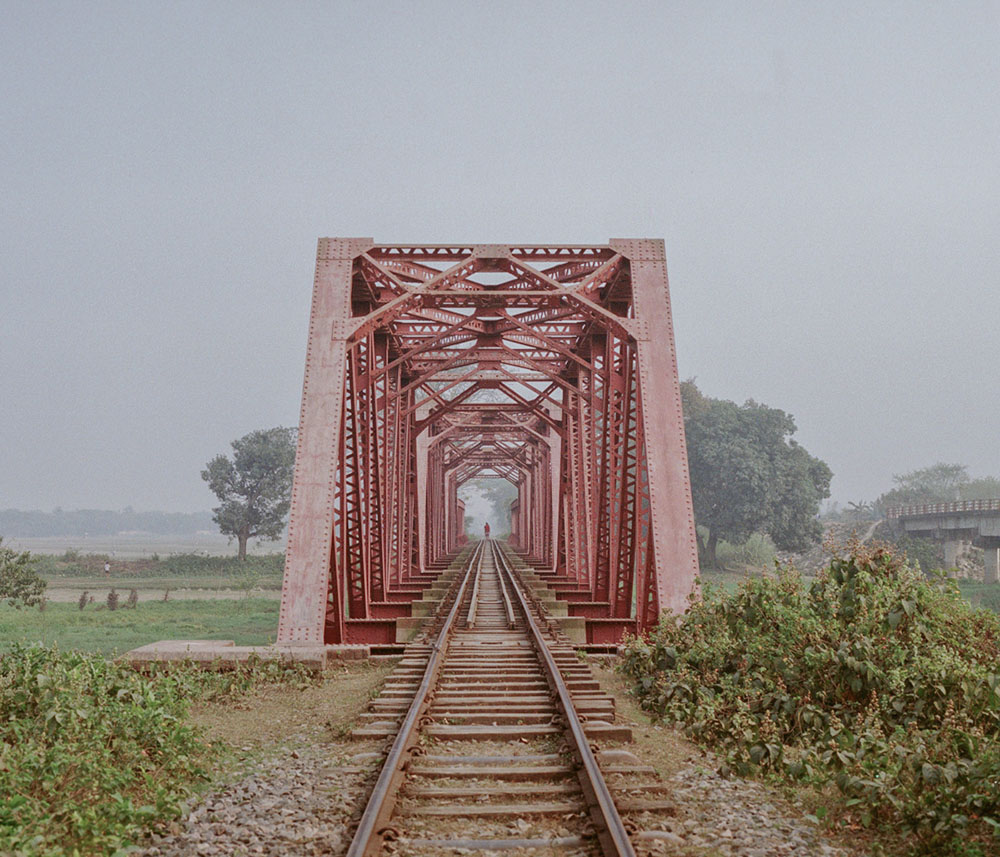
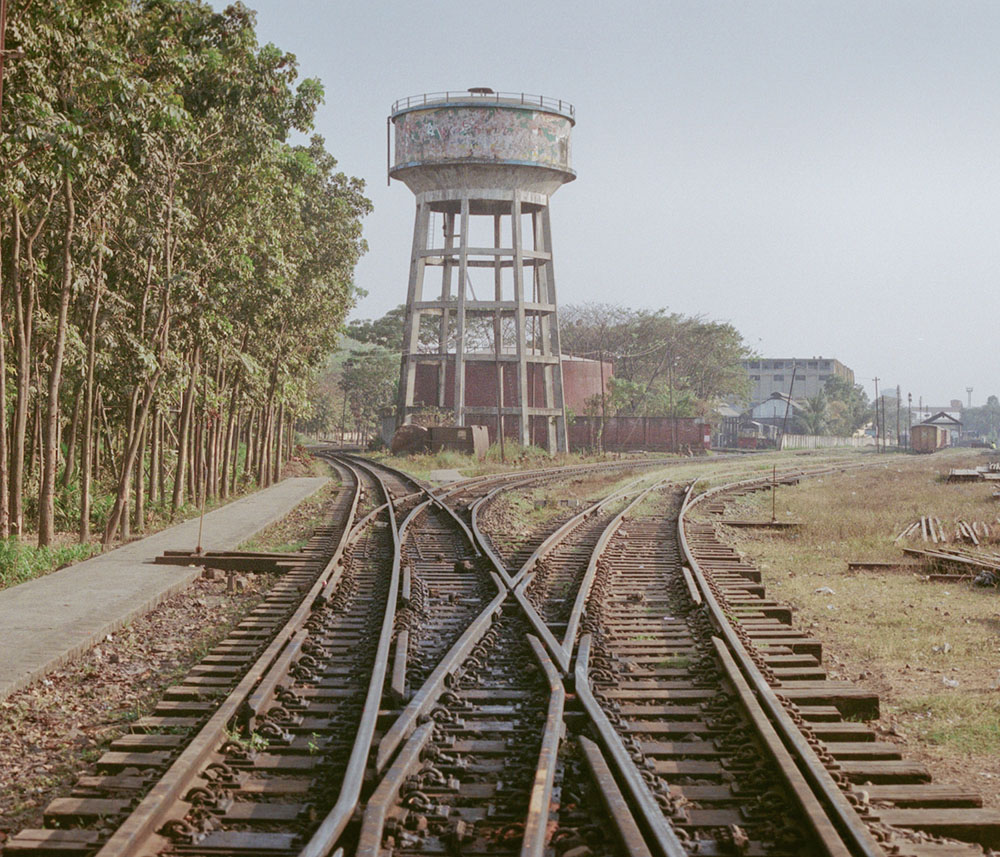
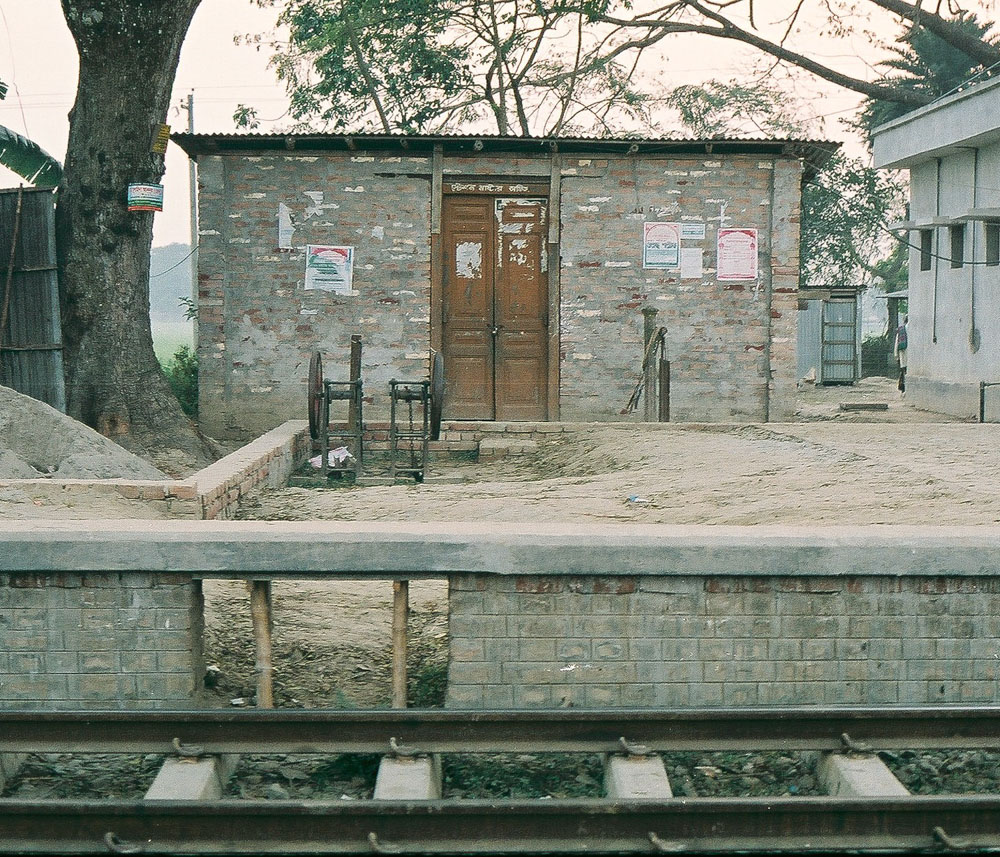
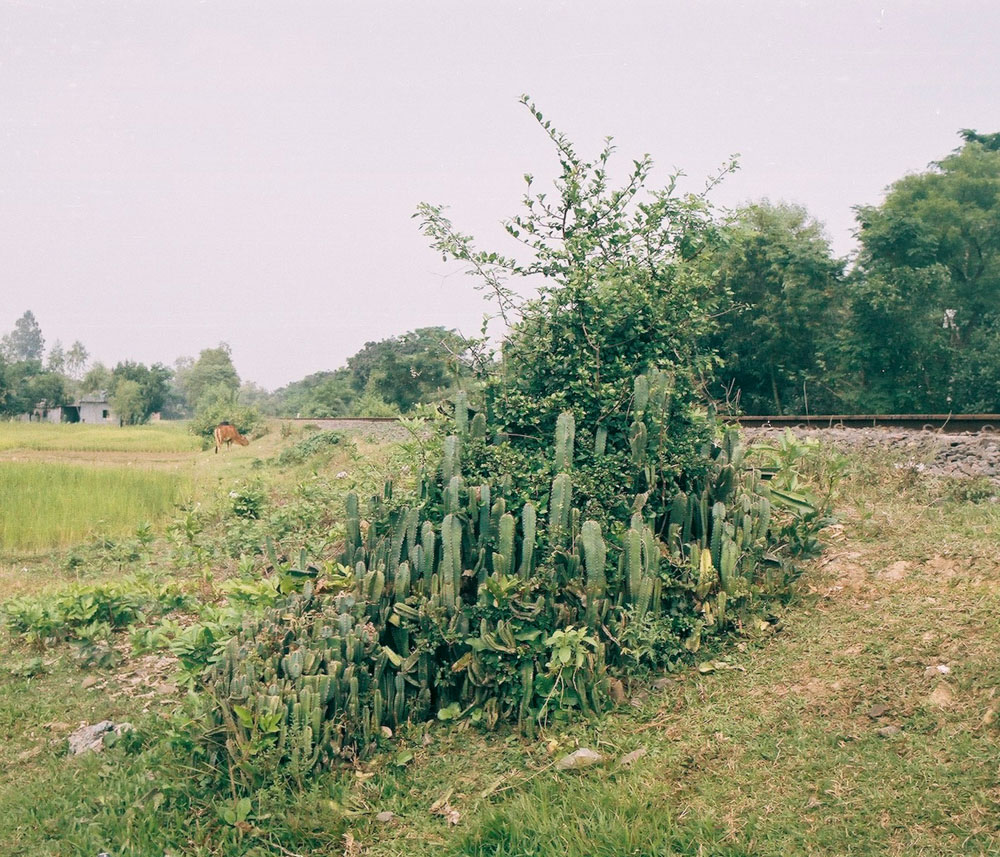
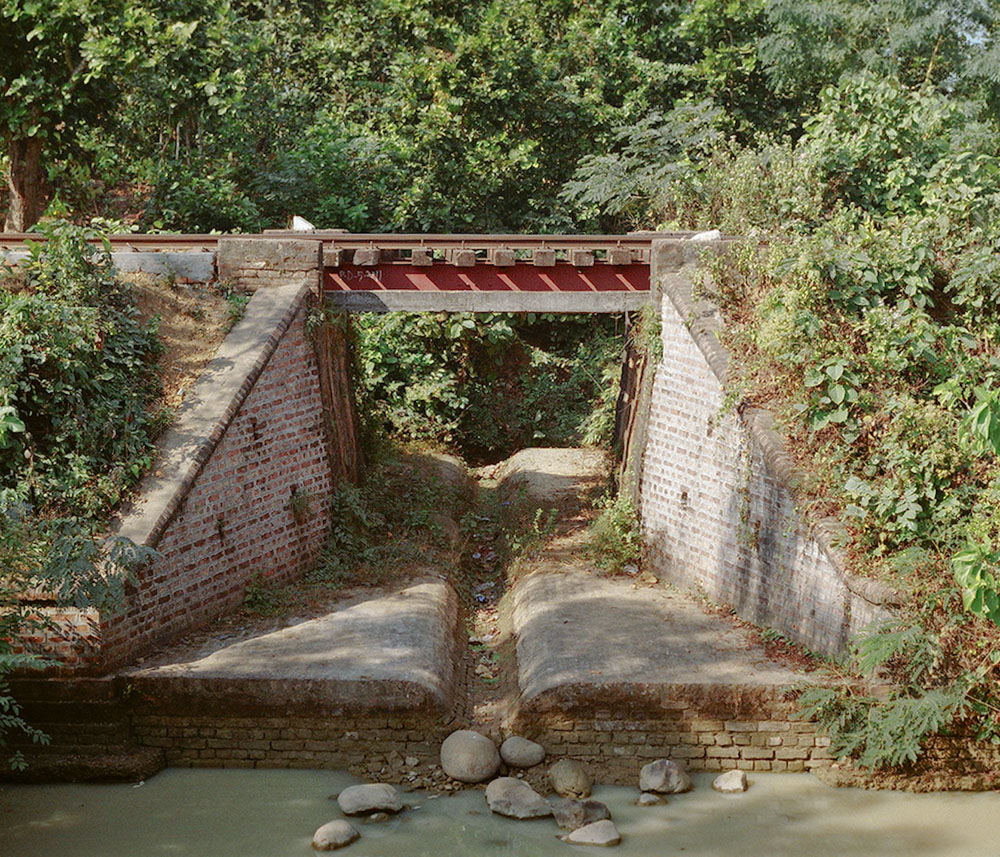
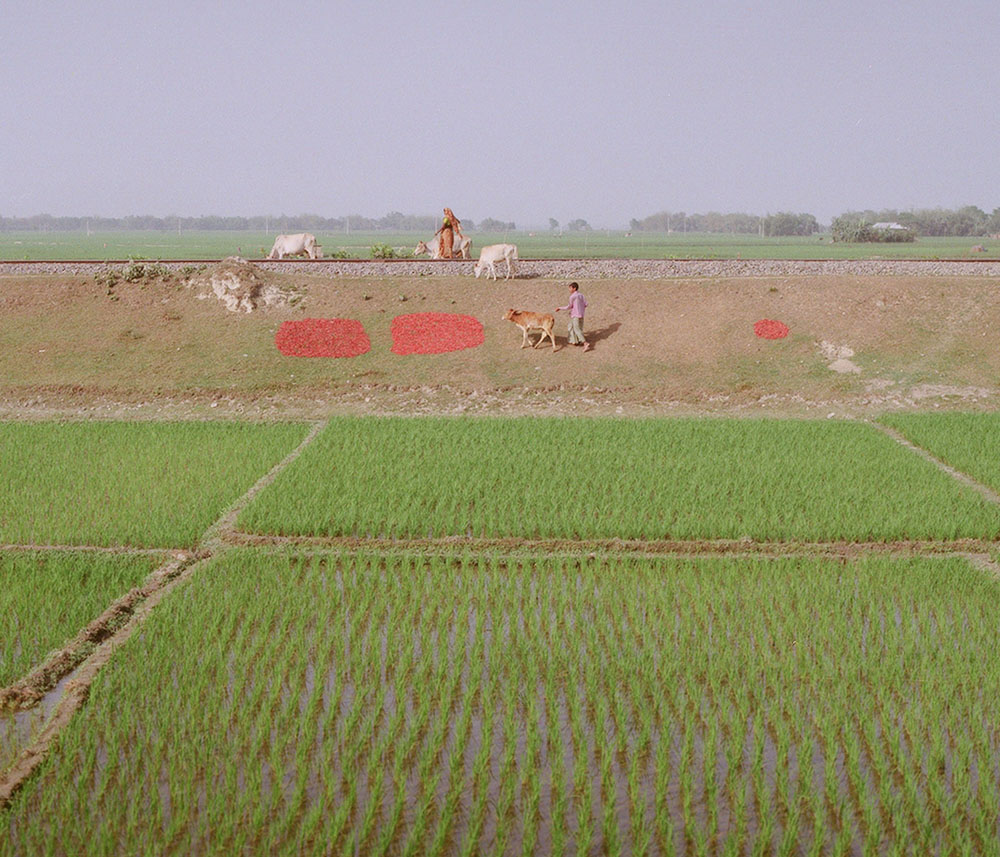
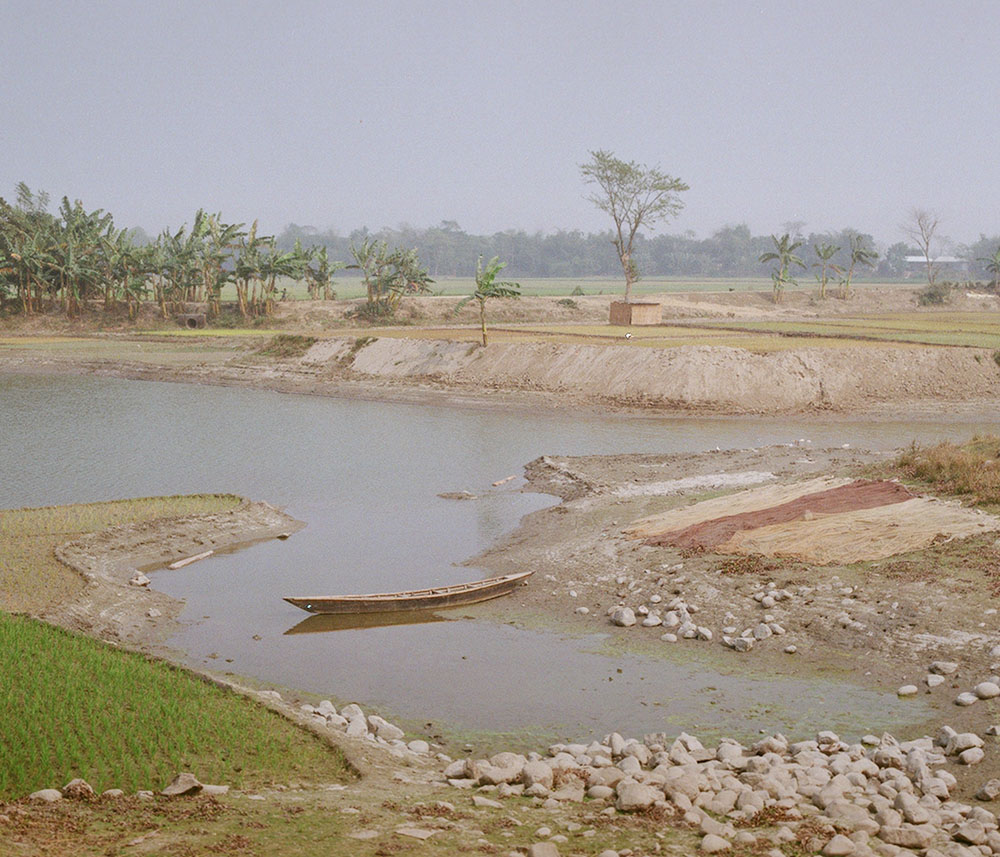
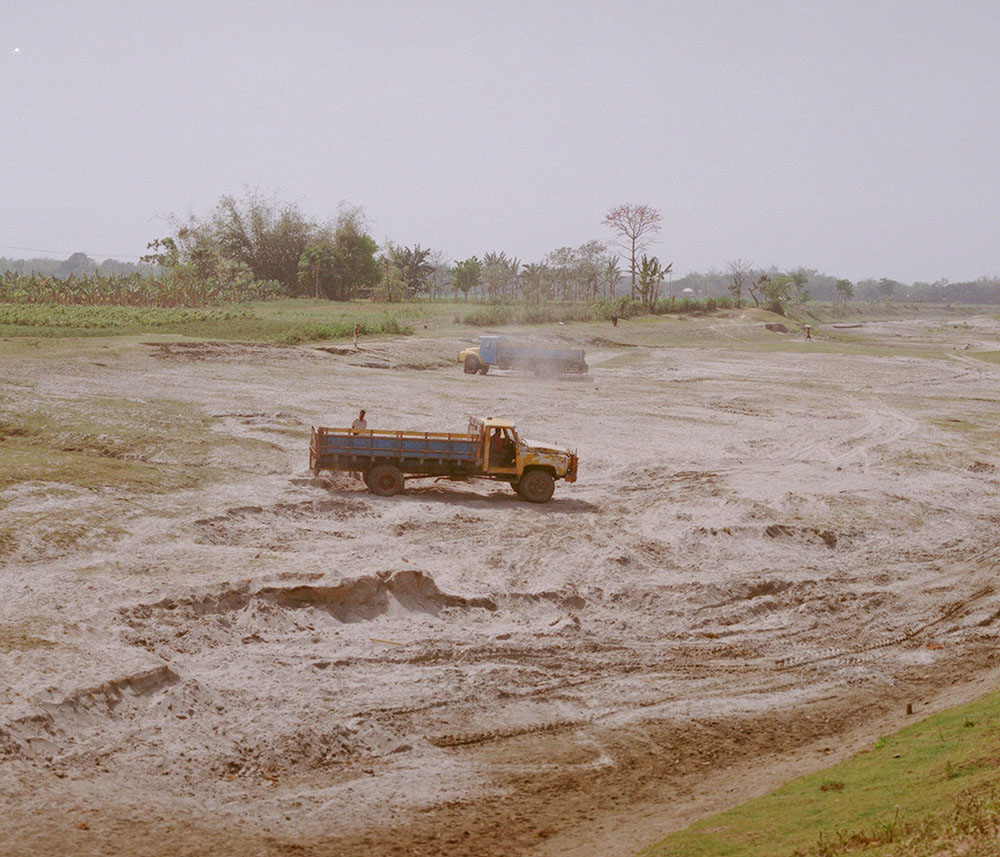
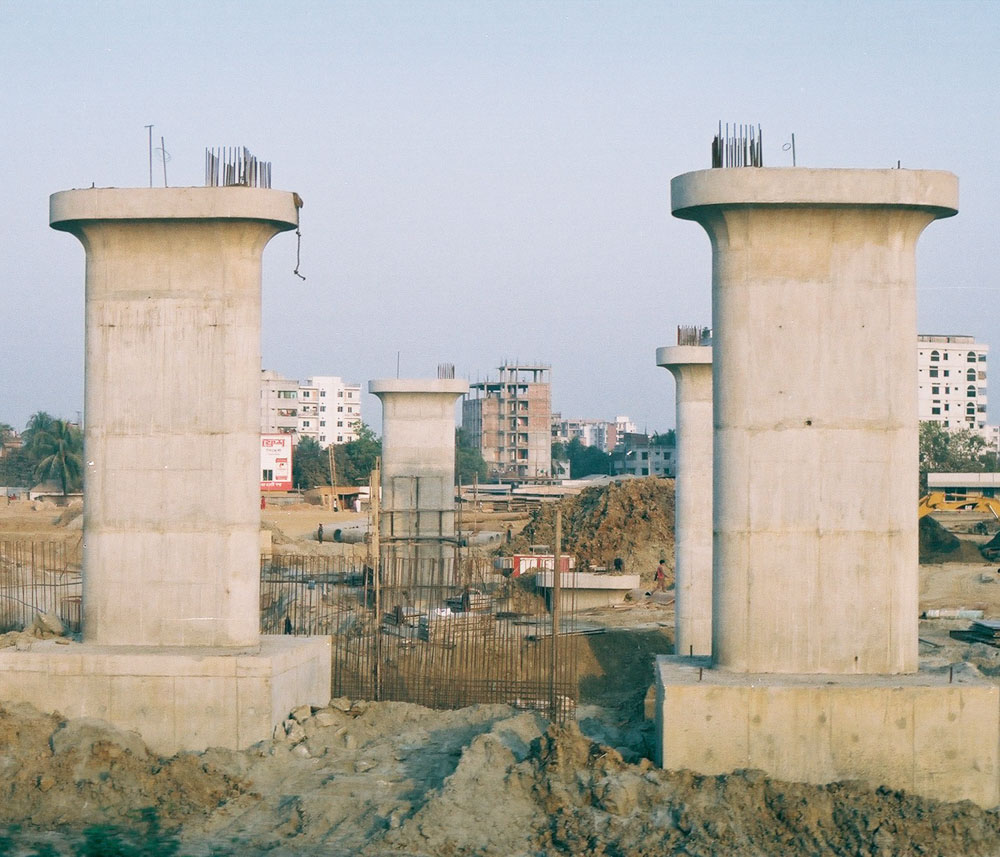
Travelling from Dhurmut station to Kamalapur Railway Station, I followed nearly two hundred kilometres of railway, observing the changing geography, the structures along the tracks, and the subtle shifts surrounding each station. Fields, settlements, waiting platforms, crossings, and fragments of daily life appeared like recurring frames, each carrying traces of time and neglect. The journey gradually opened a wider question: how does a transport system used continuously by so many remain suspended in such vulnerability?
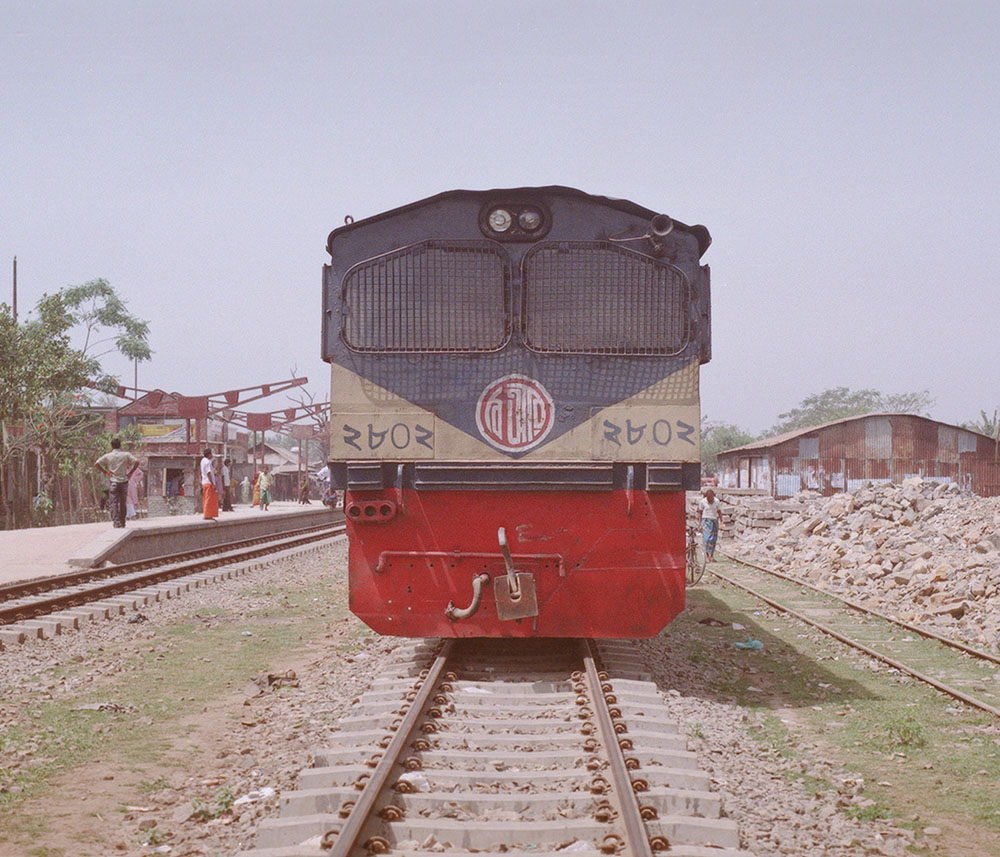
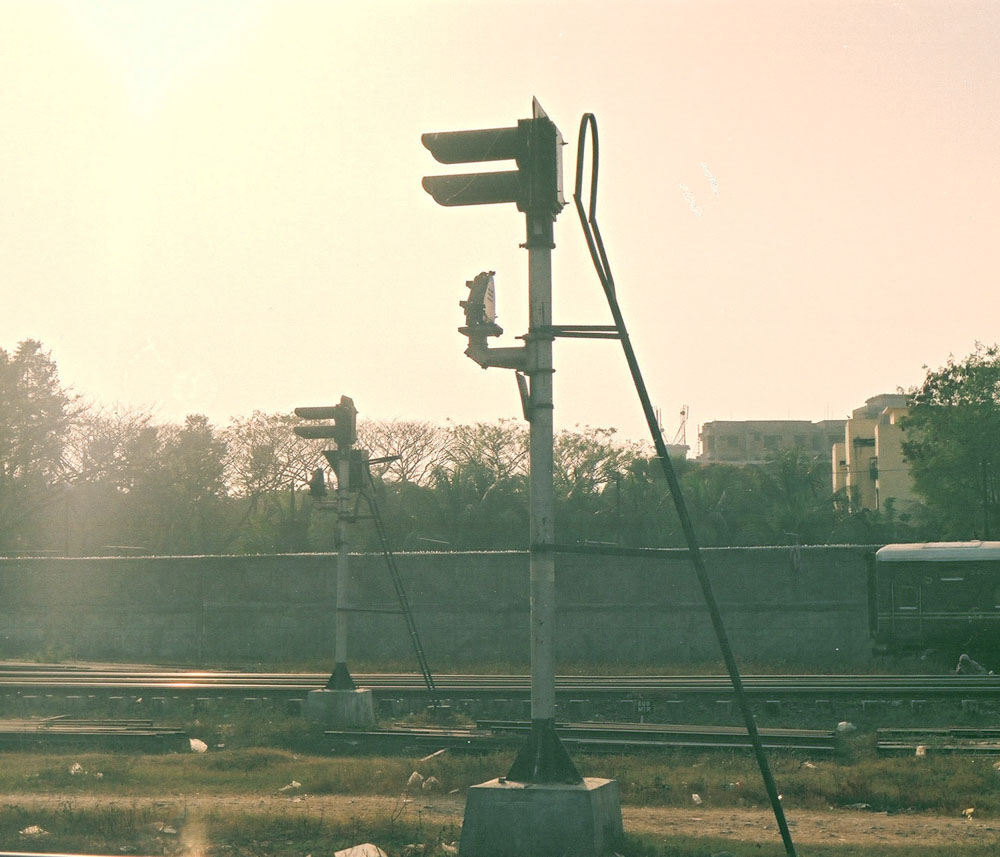
Many of the stations appear worn and unfinished, while trains continue to operate with limited technical support and outdated infrastructure. Between institutional corruption, administrative disruption, and the everyday disorder of travelling without tickets or ignoring public rules, the railway exists in a condition of constant strain. Yet in Bangladesh, alongside waterways, rail remains one of the most affordable and necessary forms of movement for low-income communities. The work therefore moves between personal recollection and social observation, reflecting on a system that is both fragile and indispensable, suspended between endurance and possible disappearance.