Across cultures and faiths, houses of prayer are built as places of devotion, protection, and spiritual certainty, shaped by the belief that sacred space offers a form of permanence within human life. Temples, shrines, mosques, and churches often stand not only as architectural expressions of belief, but also as collective shelters for hope, memory, and ritual.
Yet these structures remain exposed to forces beyond human control. When environmental disaster arrives, even spaces imagined as sacred and secure enter a condition of fragility. What appears eternal can suddenly become vulnerable, and faith must continue within broken walls, fractured ground, and interrupted silence.
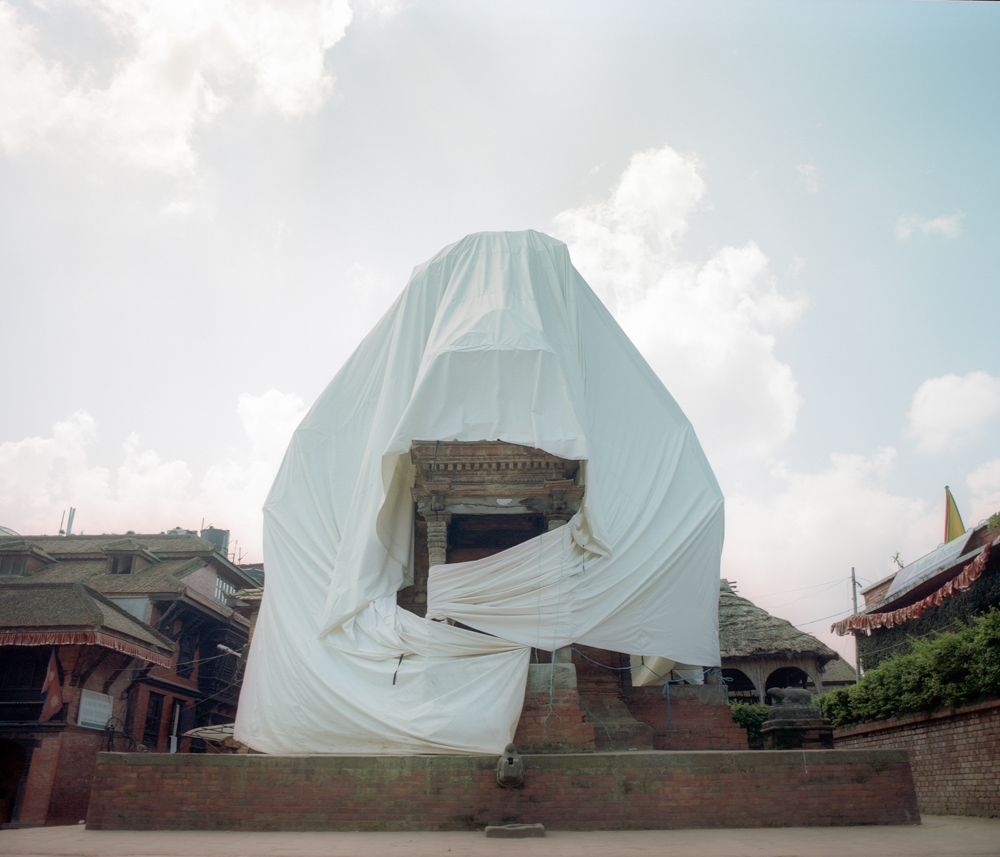
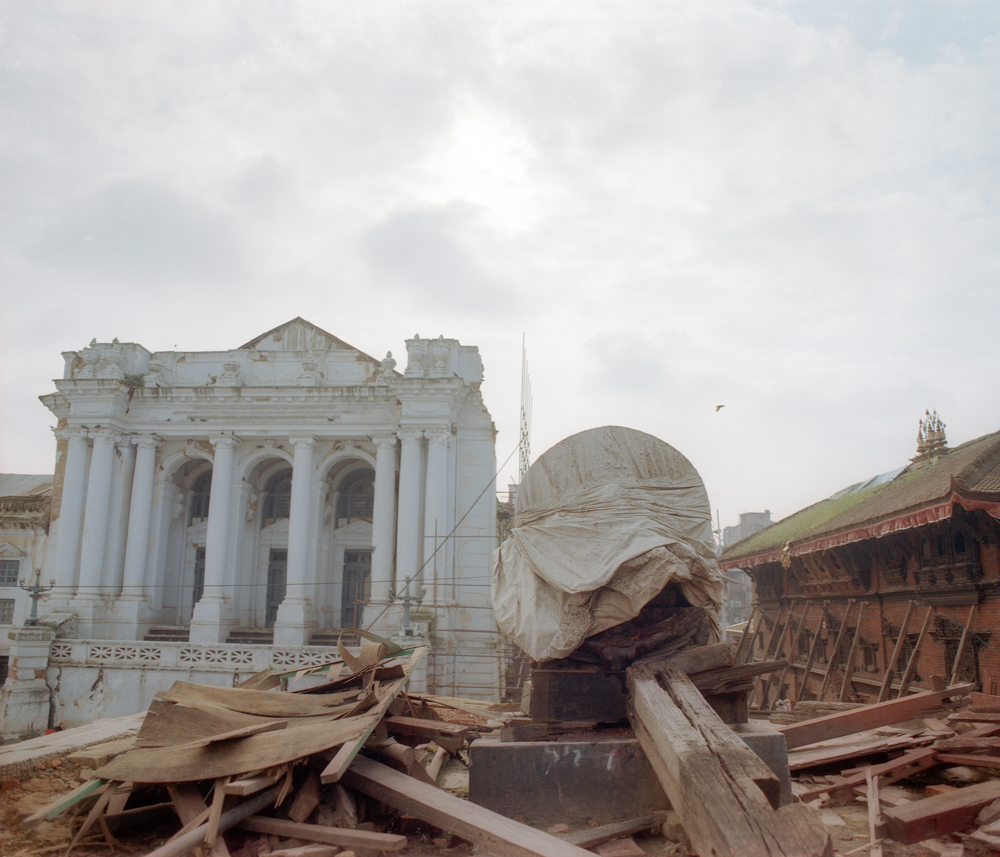
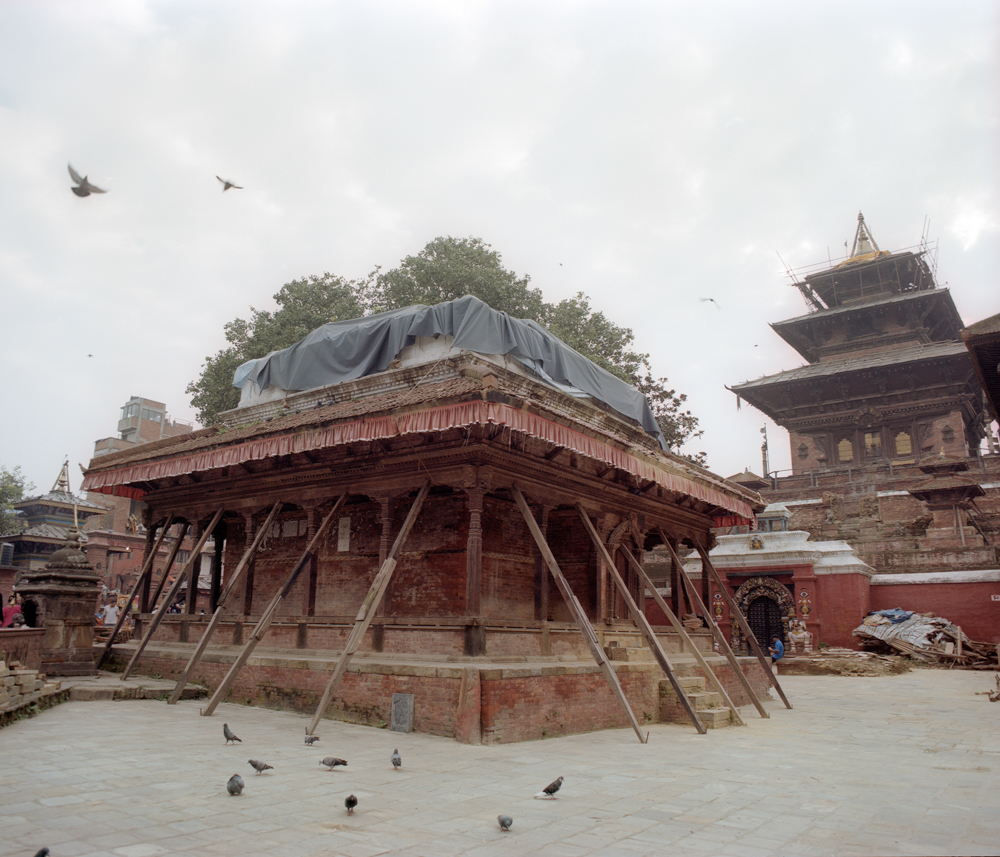
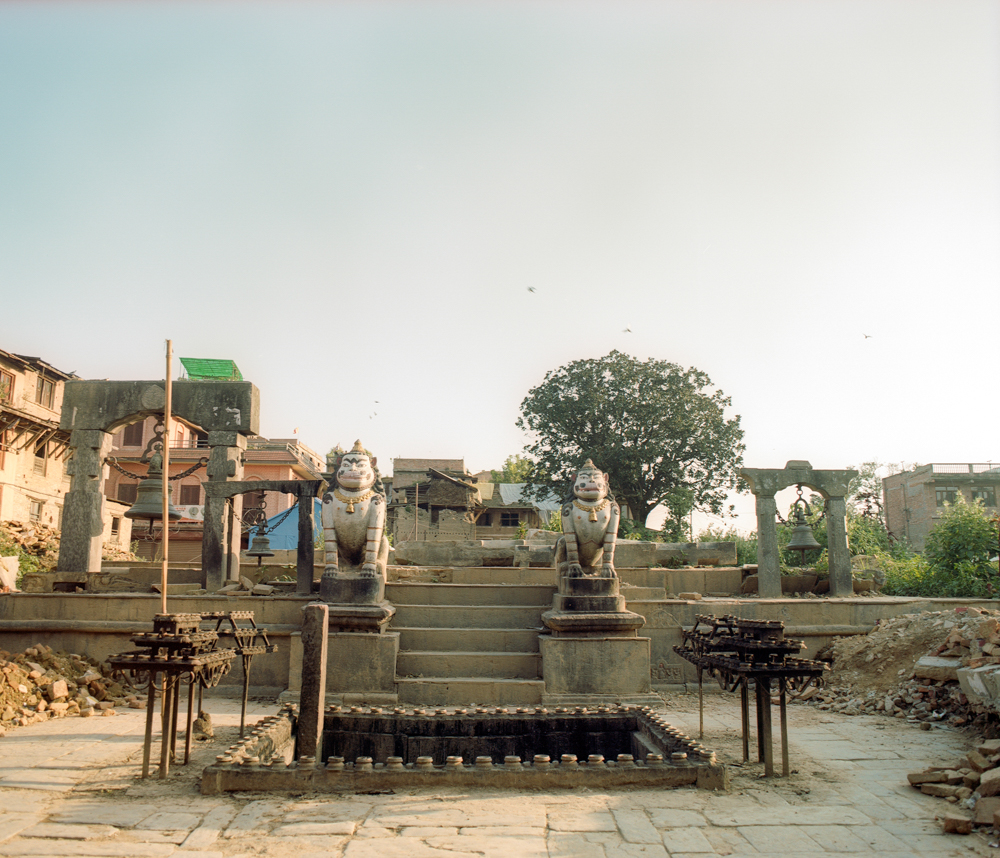
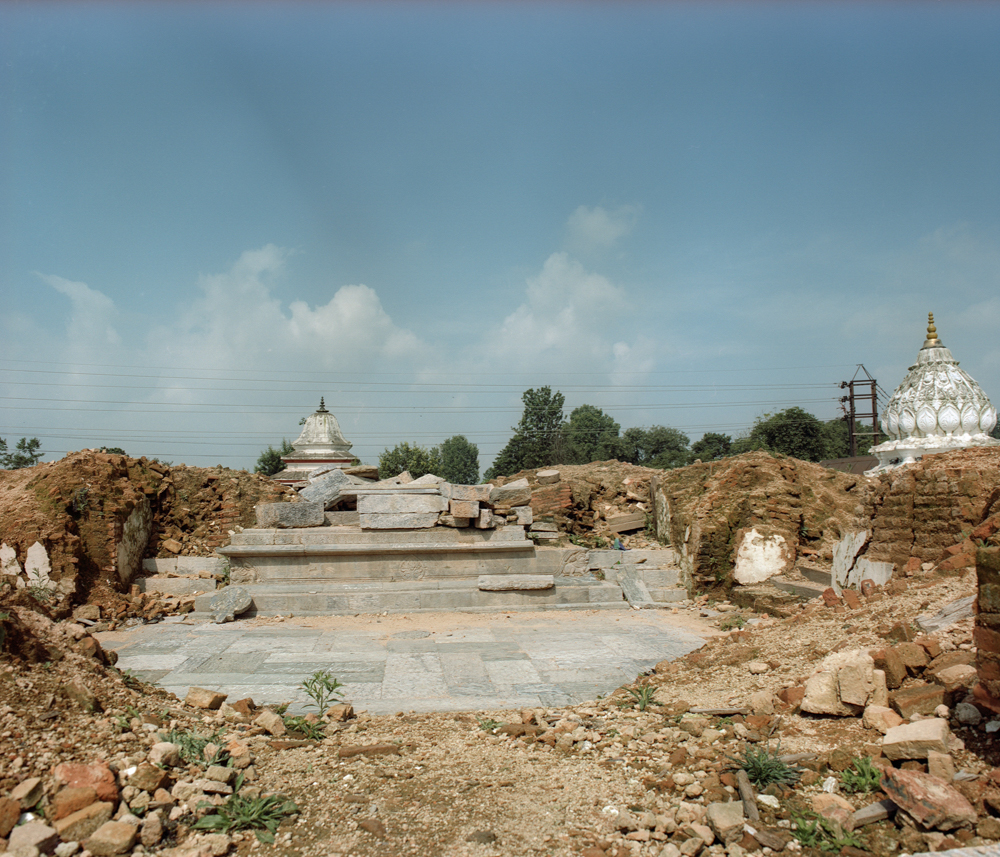
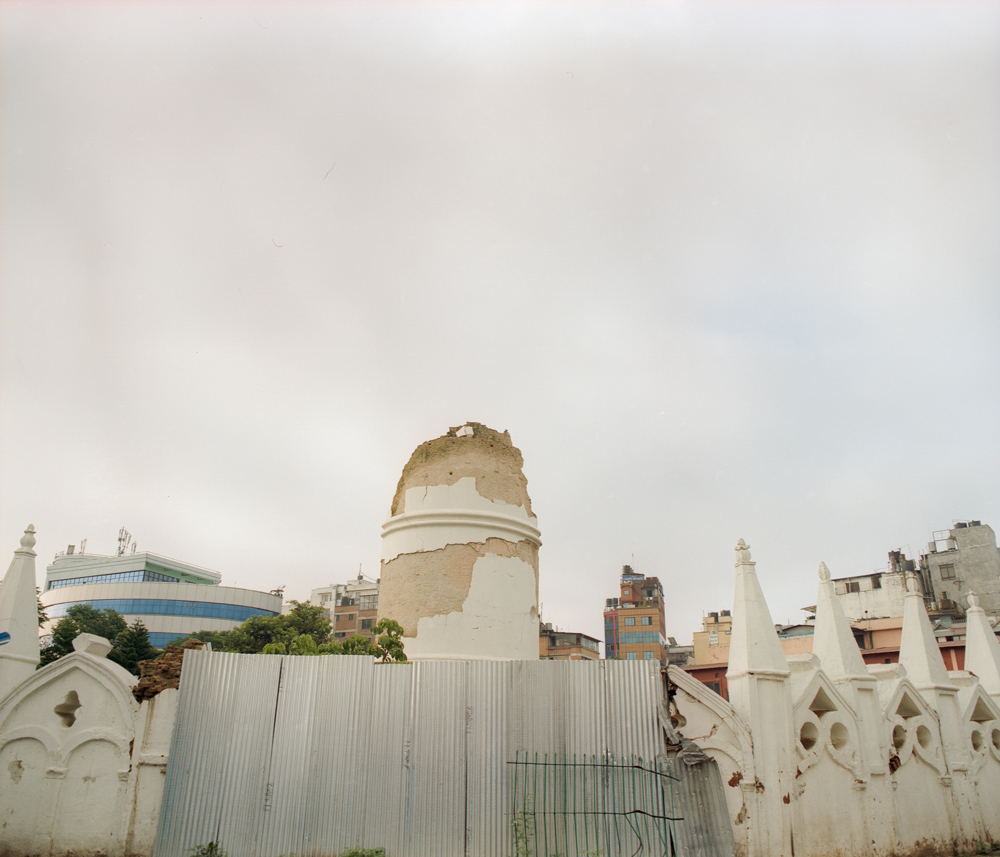
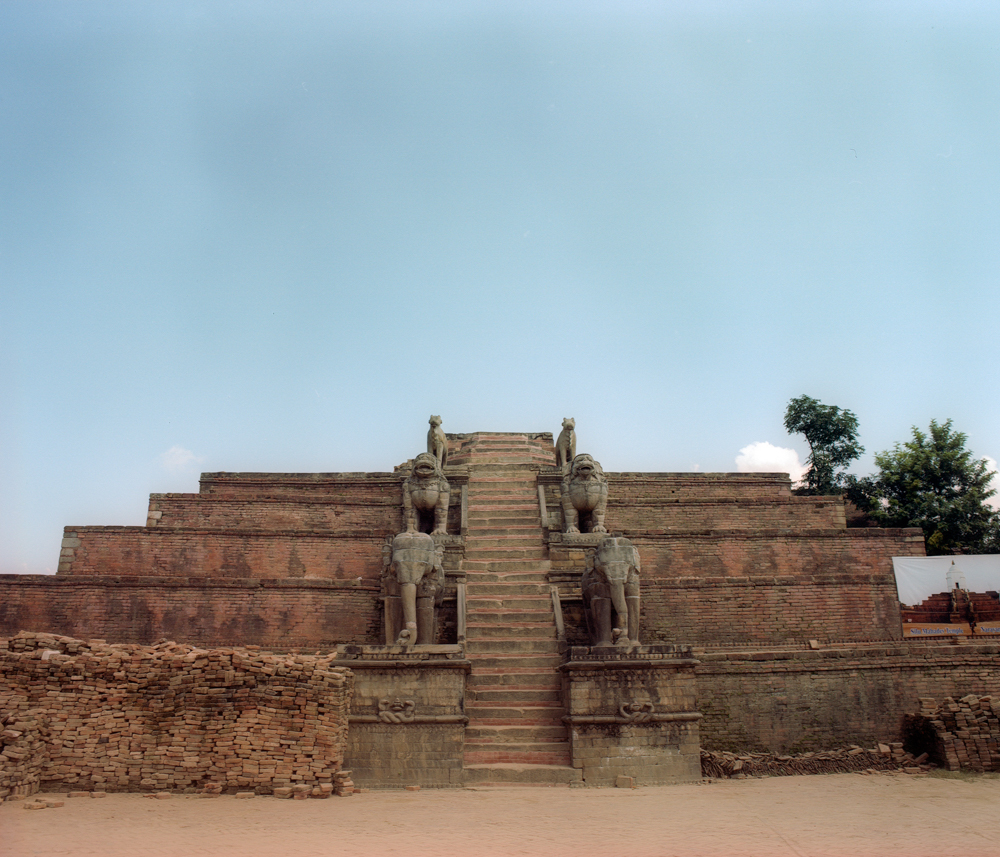
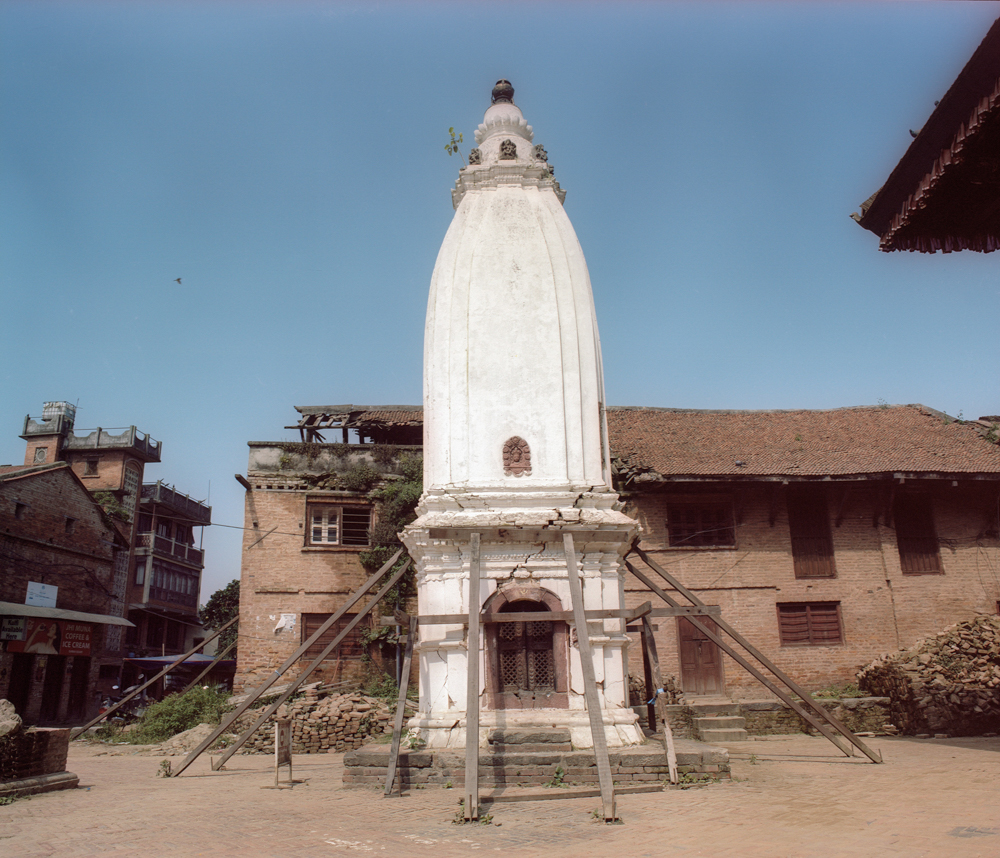
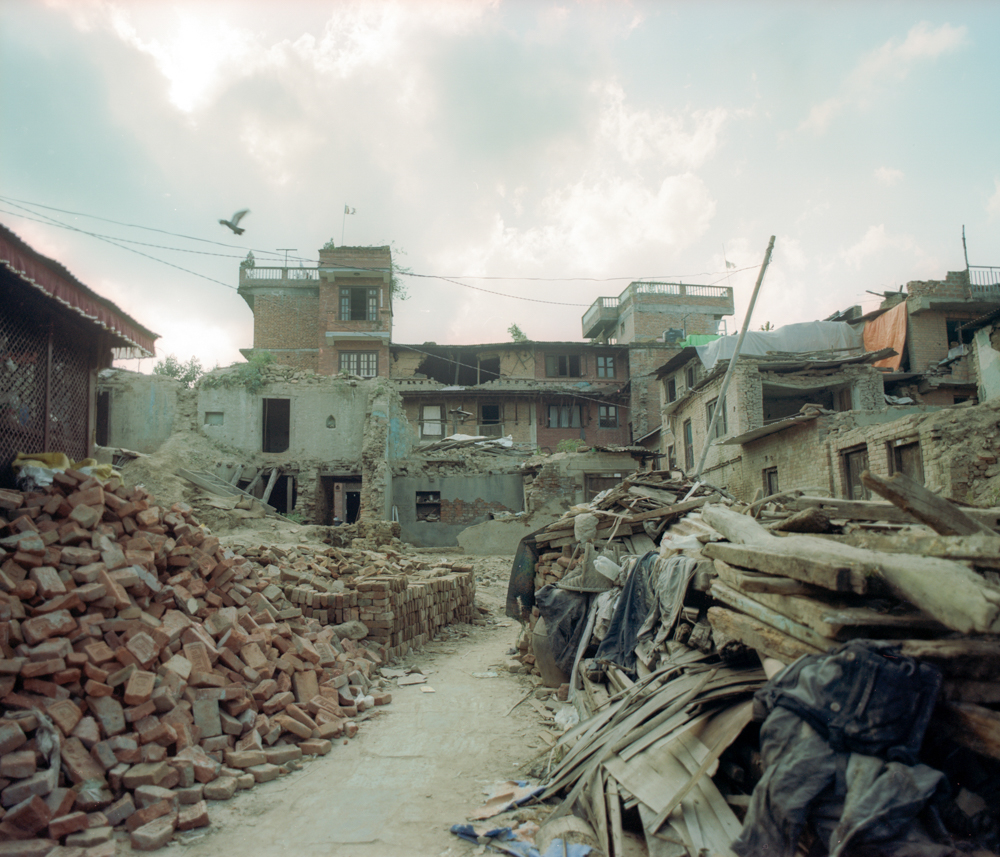
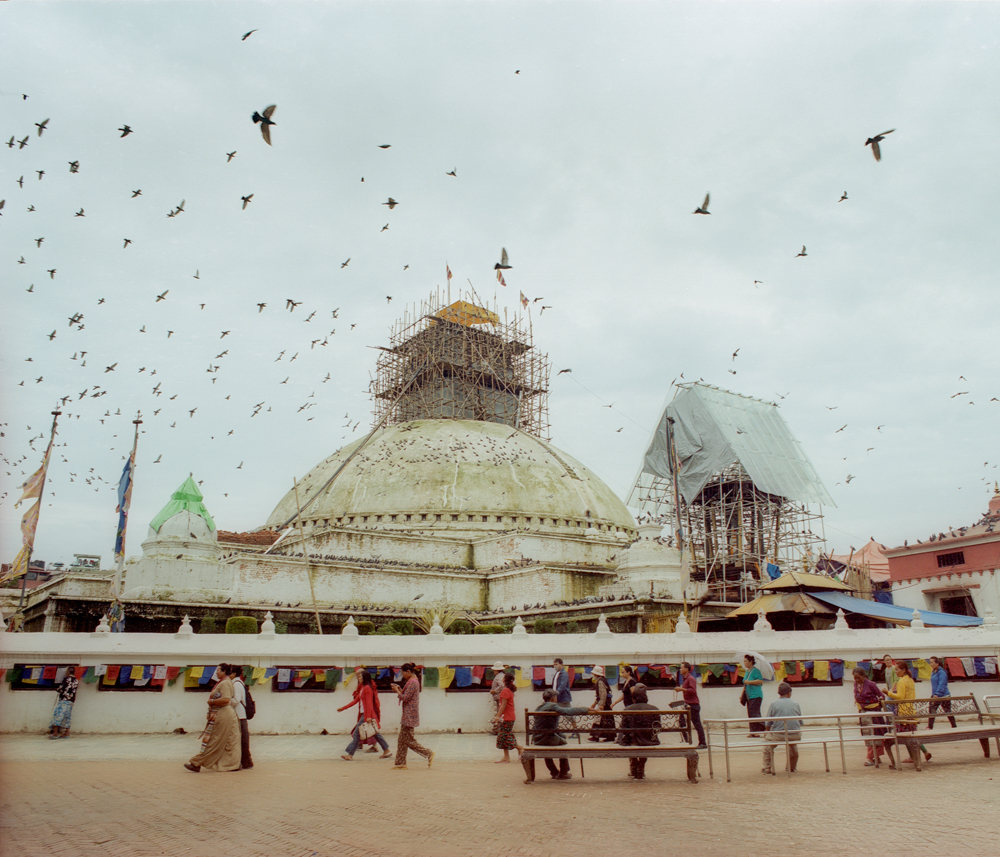
The 2015 Nepal earthquake, measuring 7.8 in magnitude, transformed large parts of Nepal within moments. Thousands of lives were lost, and many historic temples, some standing for centuries, were damaged or reduced to debris. Sacred architecture became part of the wider landscape of collapse, where carved stone, dust, and human presence coexisted in uncertain balance.
Some structures disappeared entirely; others survived only through temporary support and repair. In that altered state, these places began to carry another meaning, where devotion persists not through permanence, but through endurance, interruption, and the quiet persistence of those who return.