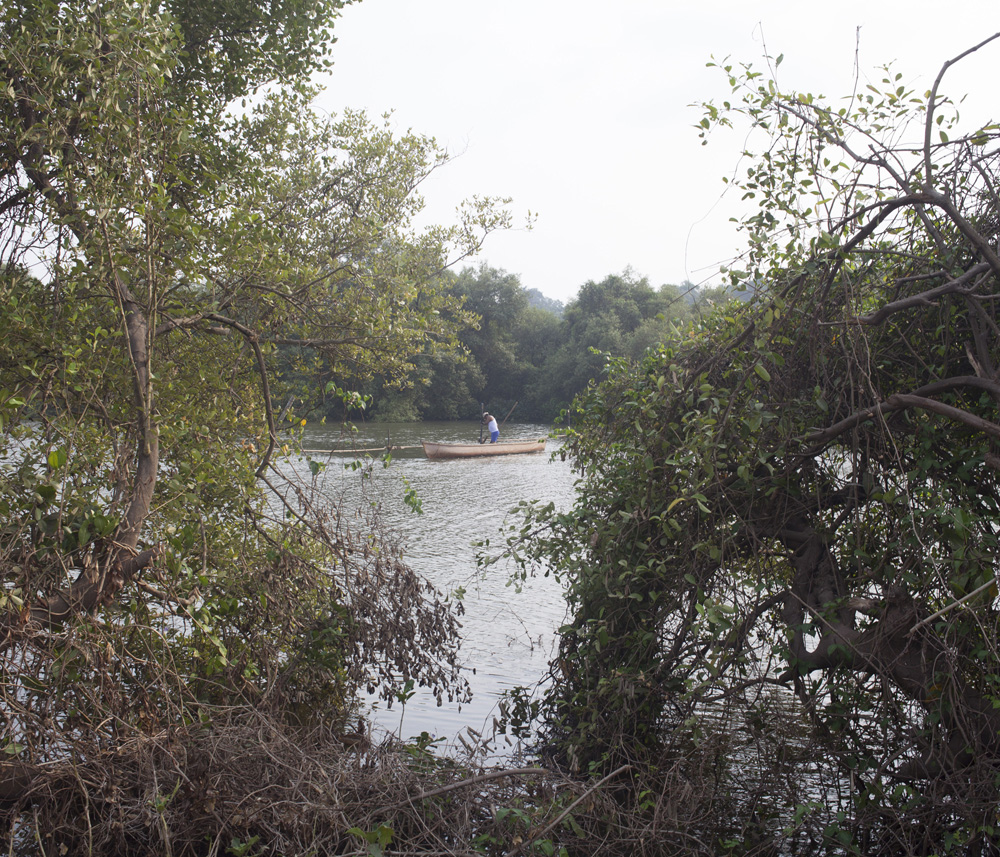
Goa had long existed in my imagination as a place of beaches, tourism, and leisure, shaped mostly by images seen from outside India. I arrived expecting shorelines and open evenings after workshop hours, imagining a rhythm of work followed by encounters with the sea. Instead, on the first day, I found myself in Corjuem, a quiet river island far removed from the tourist image I had carried.
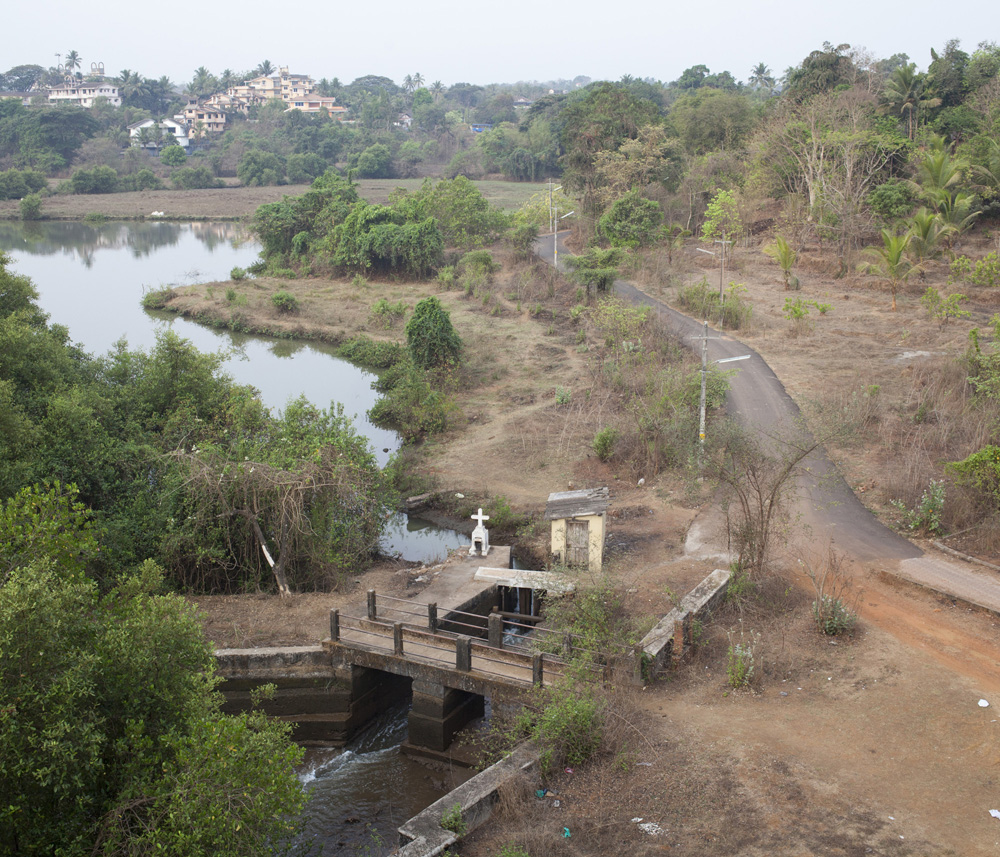
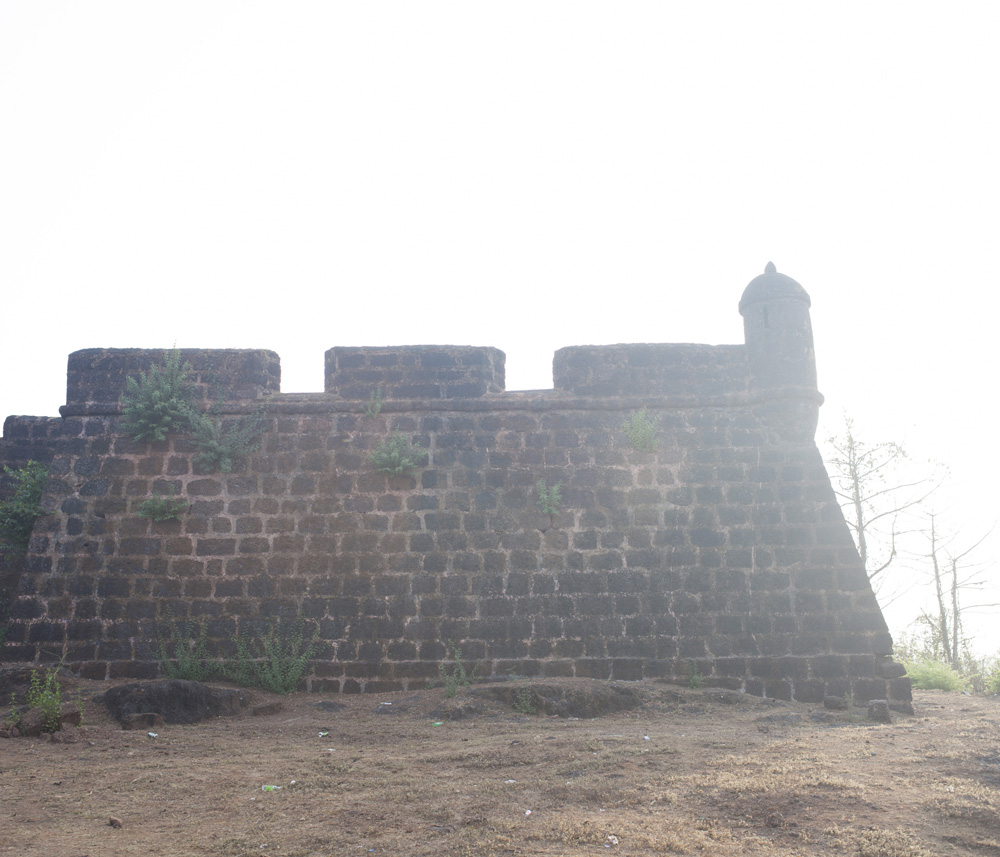
Surrounded by the waters of the Mapusa River, the island unfolds across roughly four square kilometres. Near Aldona, an old inland fort still stands, carrying traces of an earlier political geography. Built in the early eighteenth century, when this territory marked an eastern edge of Portuguese colonial control, the fort remains present not as monument alone, but as atmosphere, embedded in everyday life.
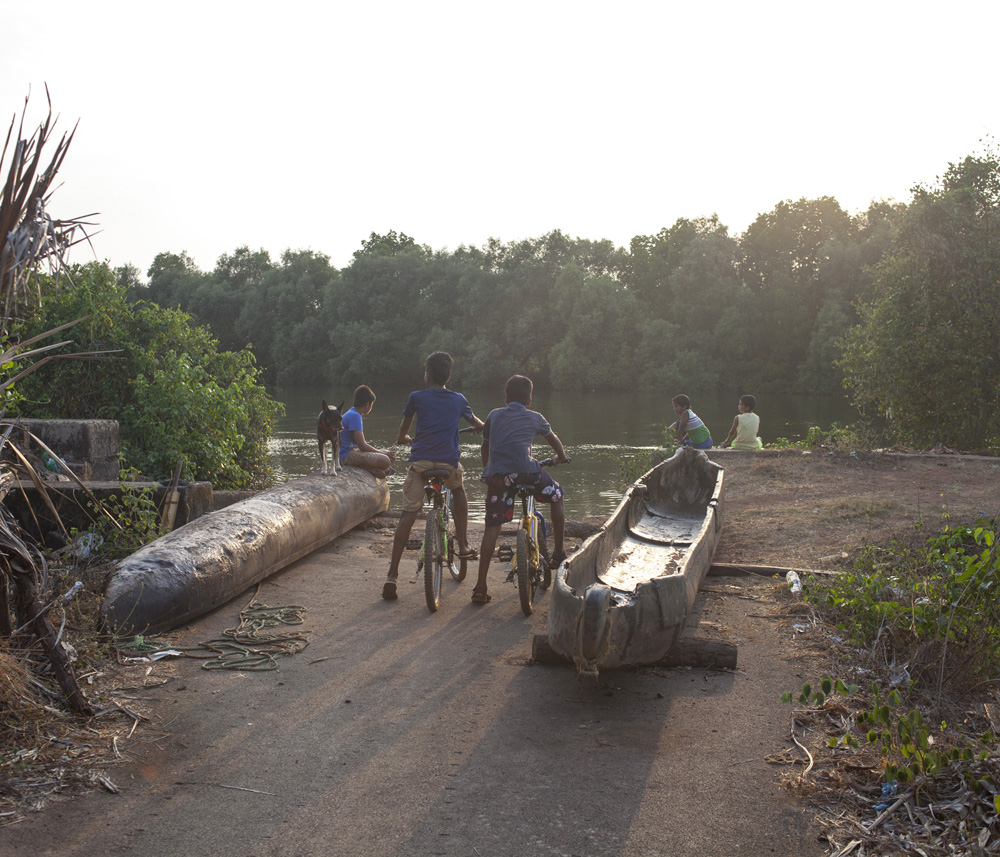
Nearly two thousand people live here. The community moves quietly between fishing, farming, worship, and routine labour. A church, a school, and scattered homes shape the social rhythm of the island. In recent years, some families have entered small hospitality businesses, while others rely on work abroad, extending the island’s economy beyond its visible borders.
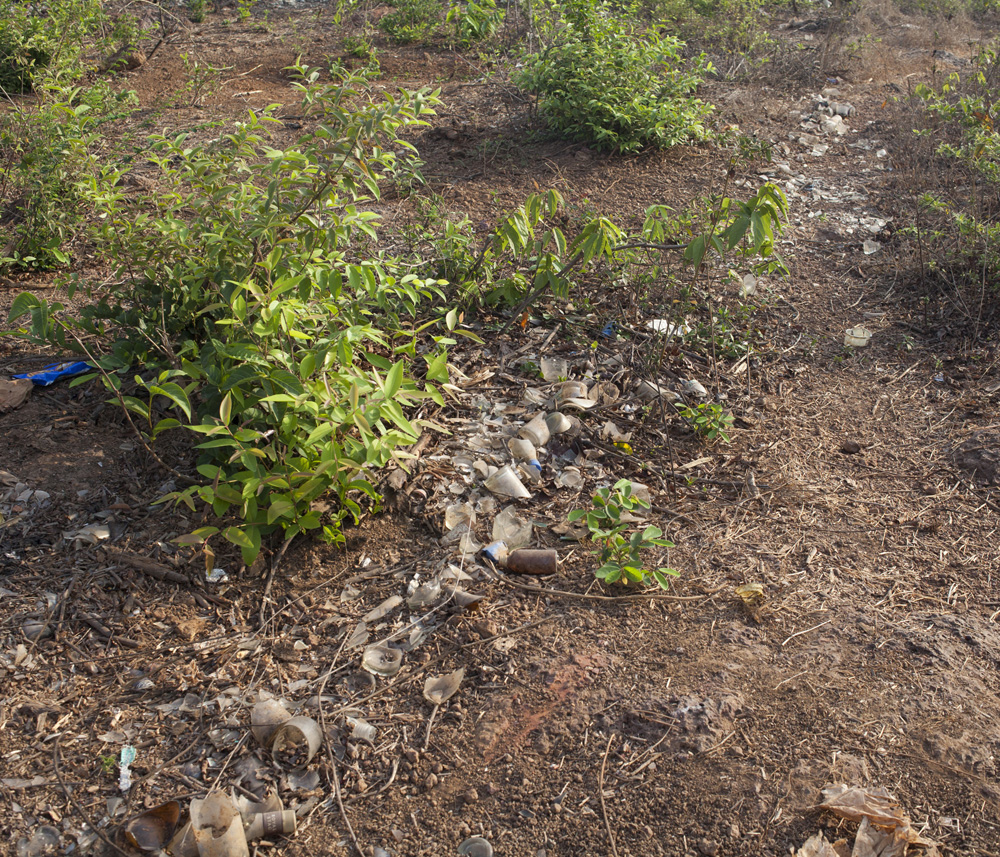
Yet beneath this calm surface, local concerns persist. Residents speak of artificial embankments built for fishing that interrupt the natural flow of water, leaving parts of the river stagnant and creating conditions for mosquitoes and recurring illness. Waste has become another visible pressure. Visitors arrive for the landscape, the fort, and temporary gatherings, but often leave plastic, bottles, and traces of consumption behind.
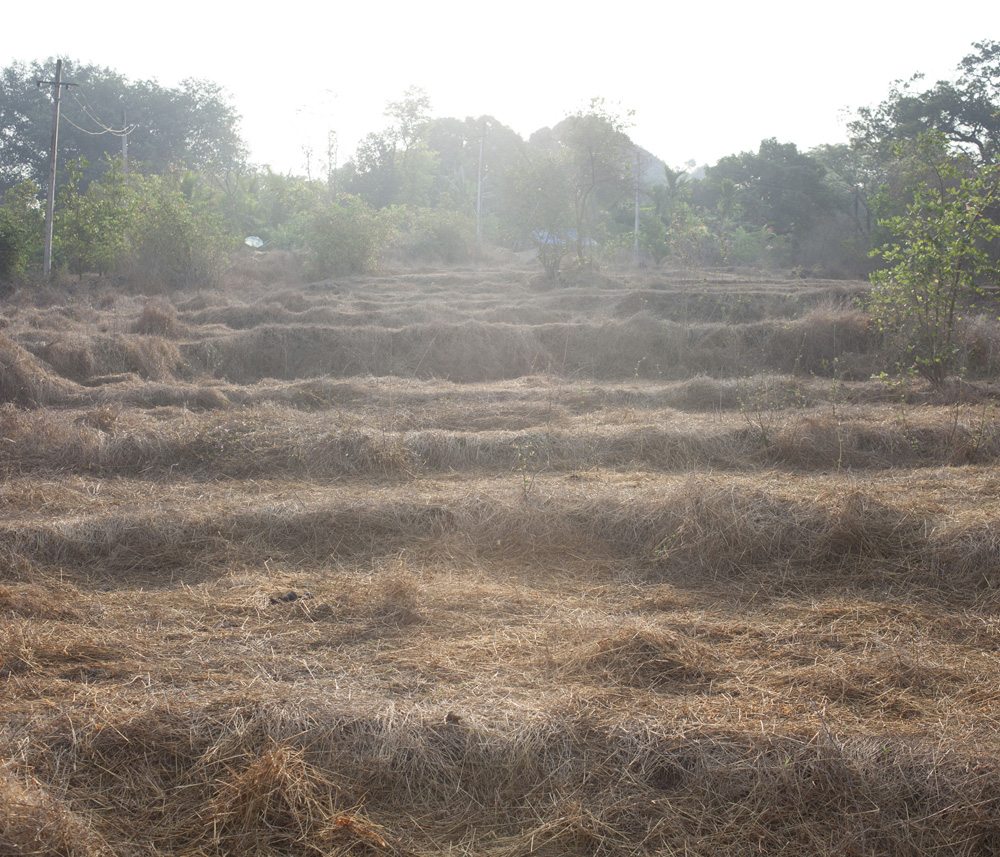
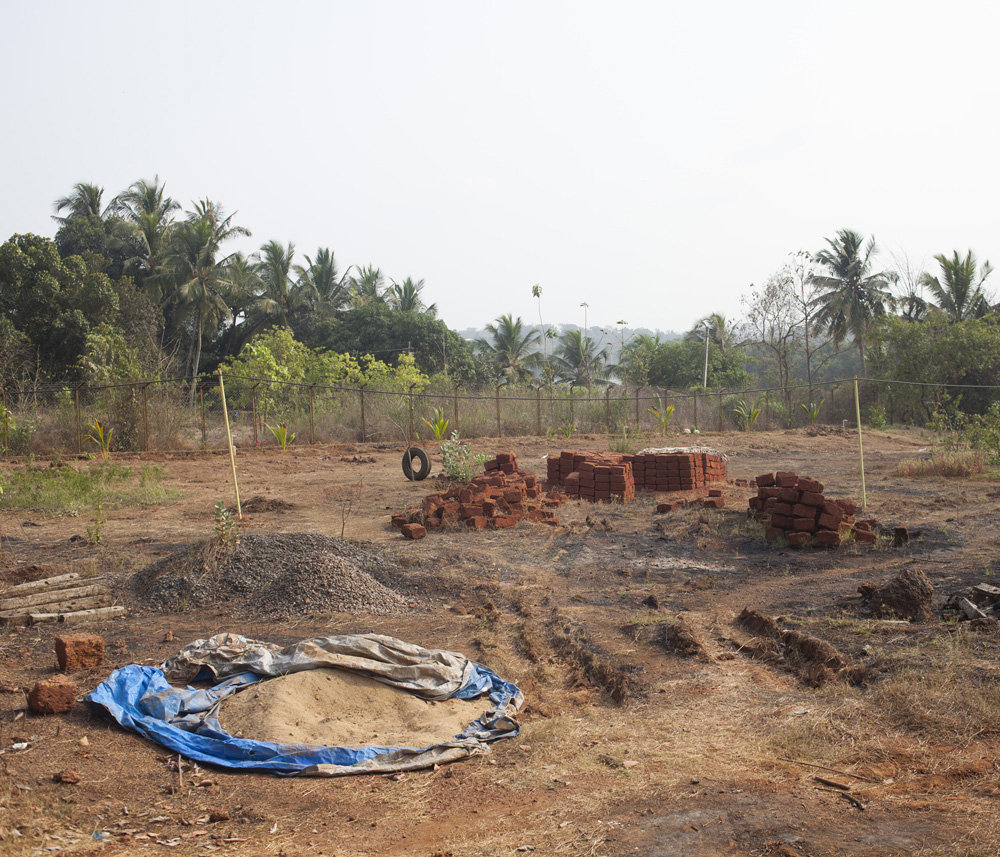
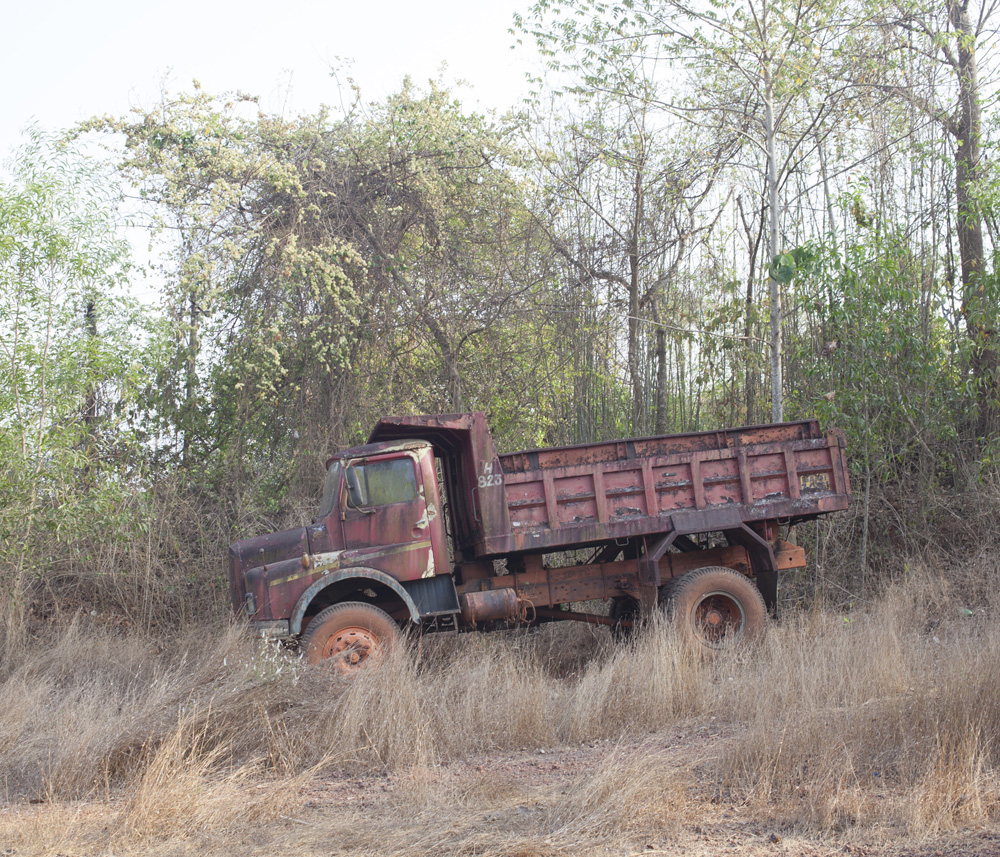
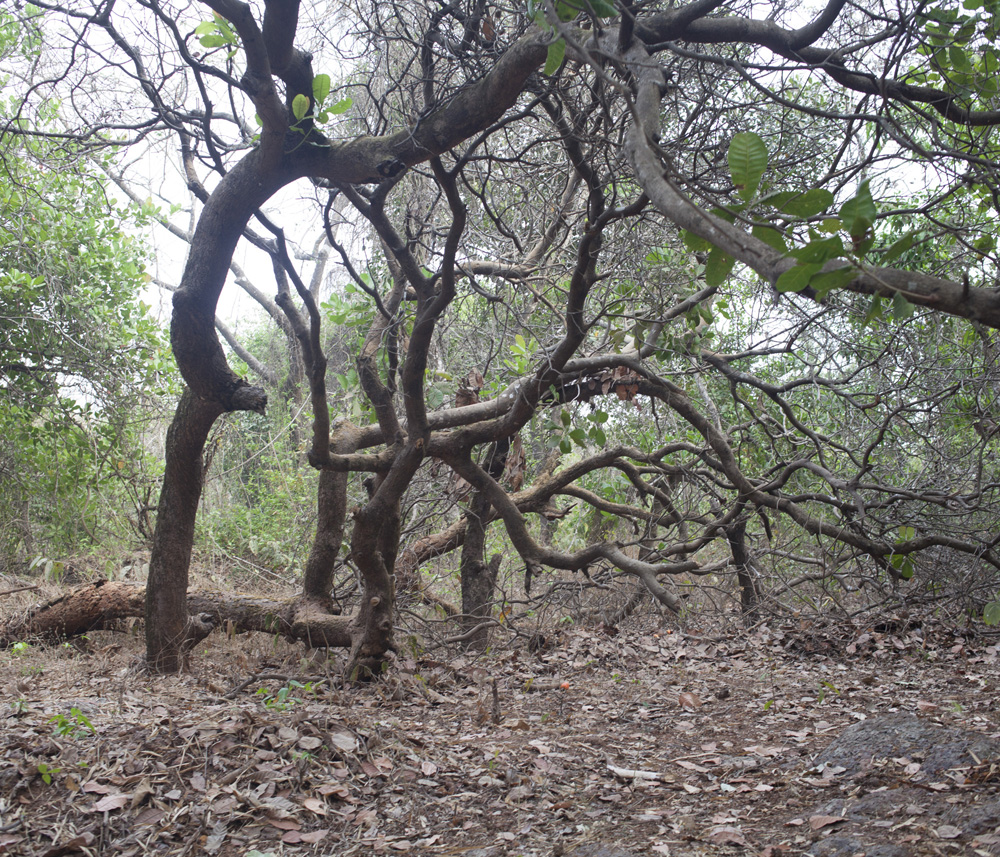
As a documentary photographer, what drew me most was not only the geography but the quiet tension between beauty and neglect. The island offered unexpected encounters: open fields, slow movement, animals moving freely, and peacocks appearing without warning. I could not photograph them as I wished, but their sudden presence remained memorable. What stayed equally vivid were the dogs, everywhere, as if each house had several guardians. Their alertness shaped my mornings and evenings, making every walk through the village both difficult and strangely intimate.
In the end, the island felt less like a destination and more like a poem carried quietly by landscape, history, and ordinary life.