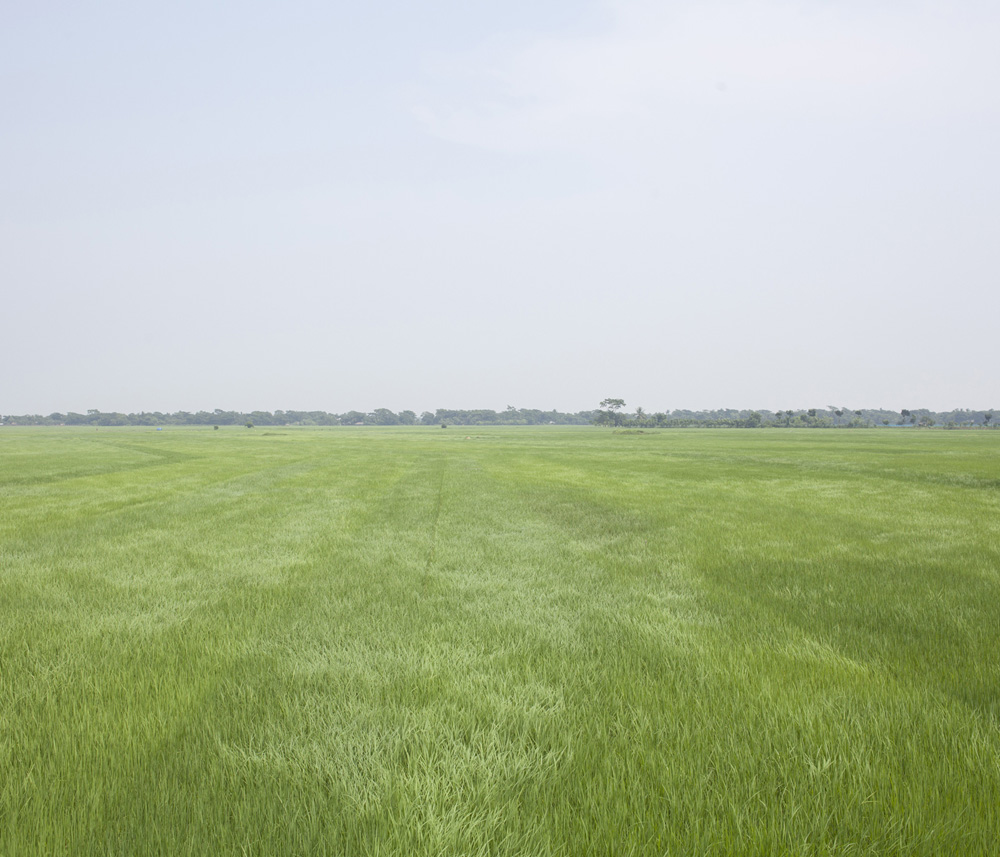
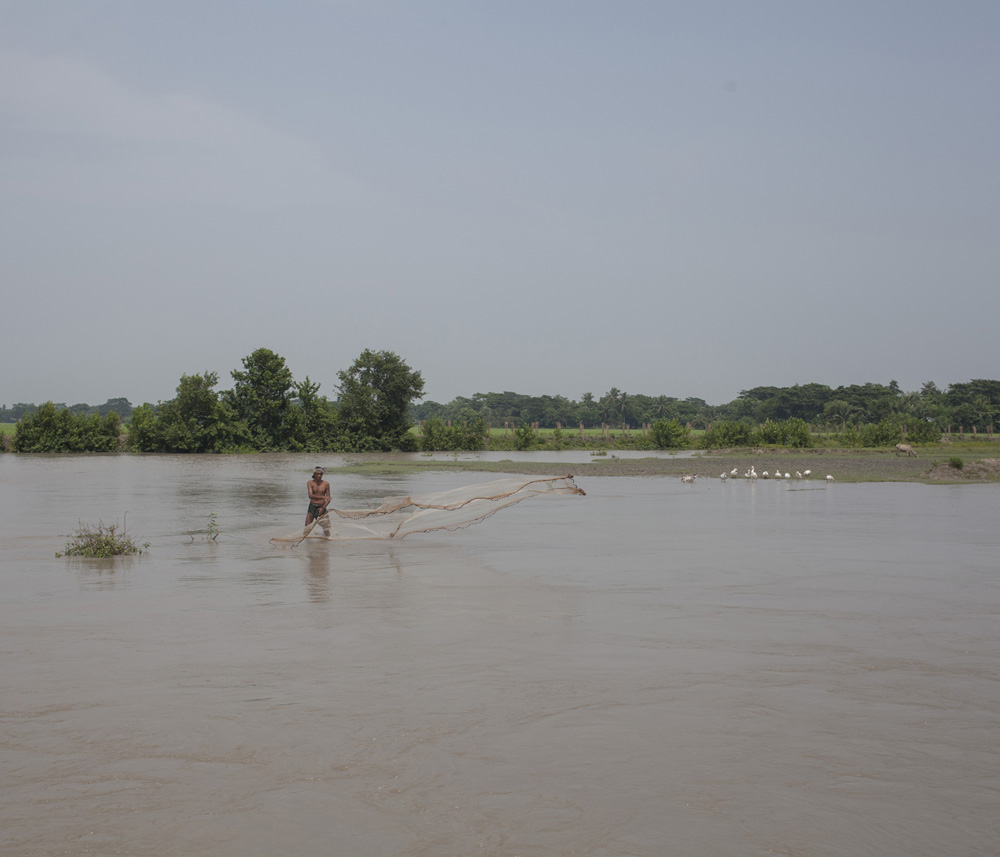
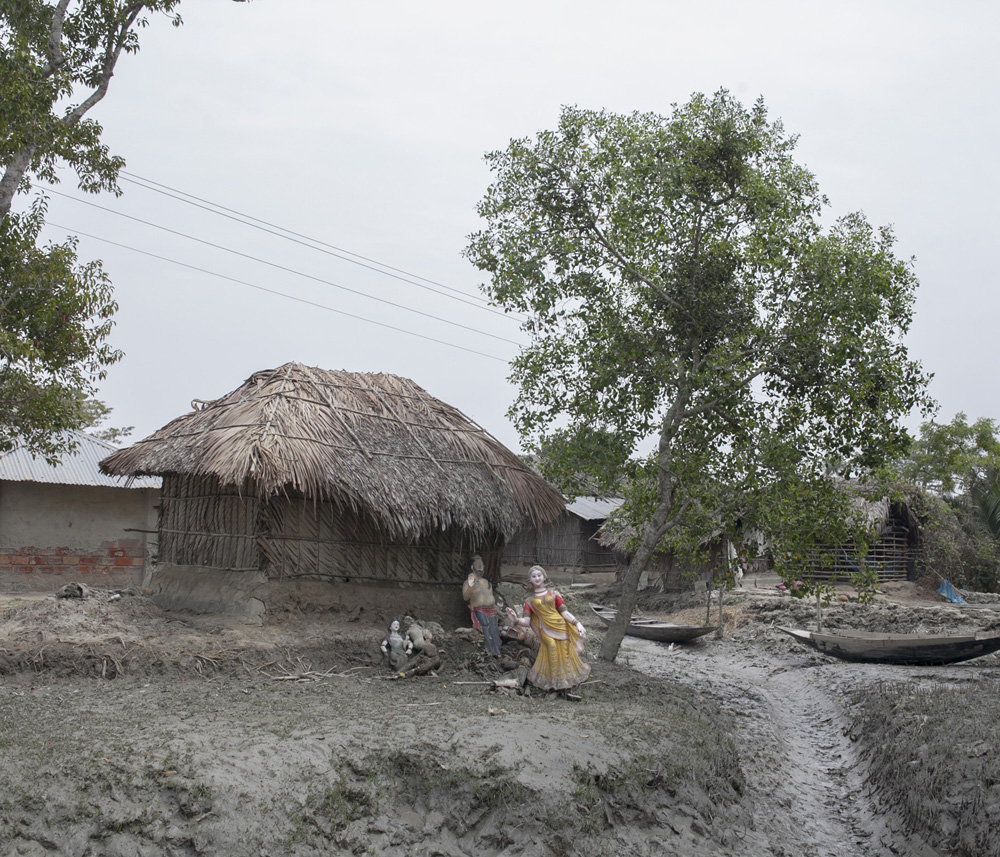
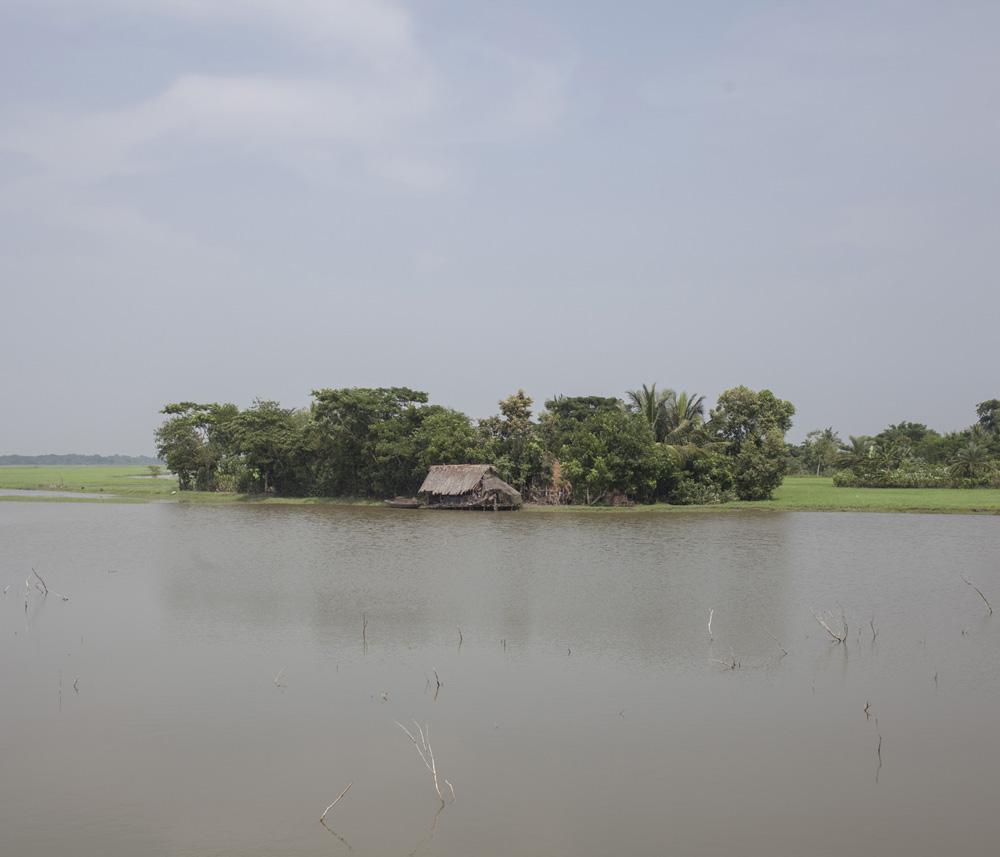
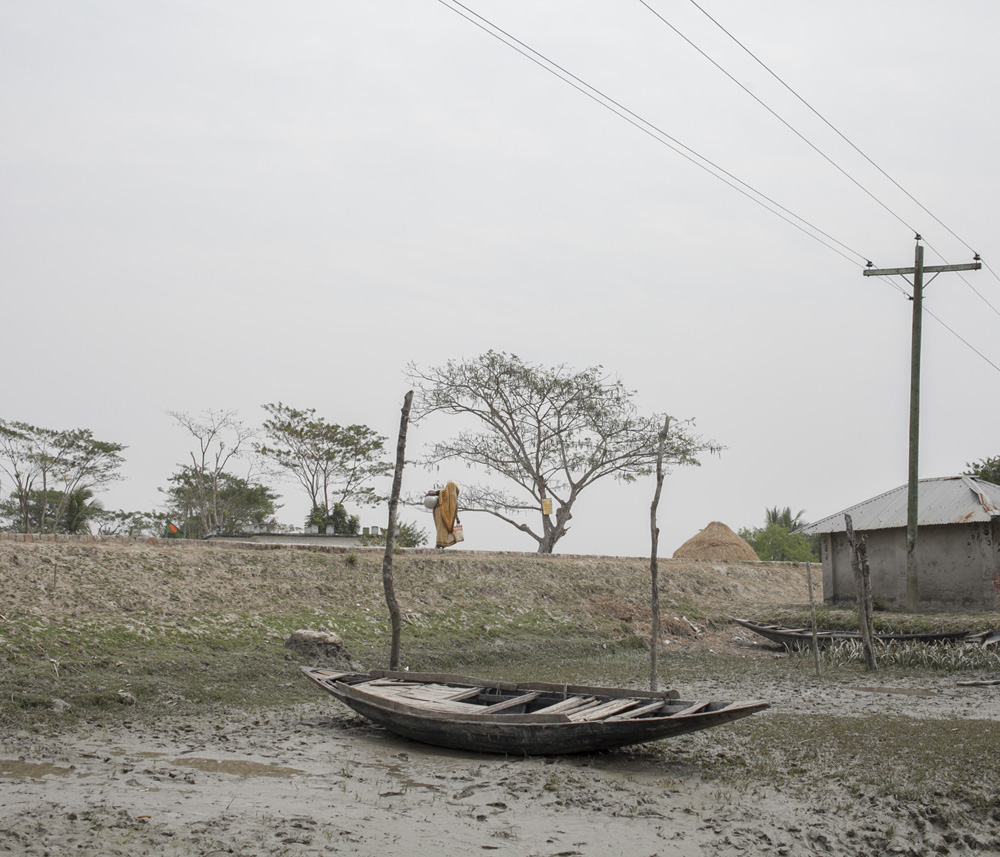
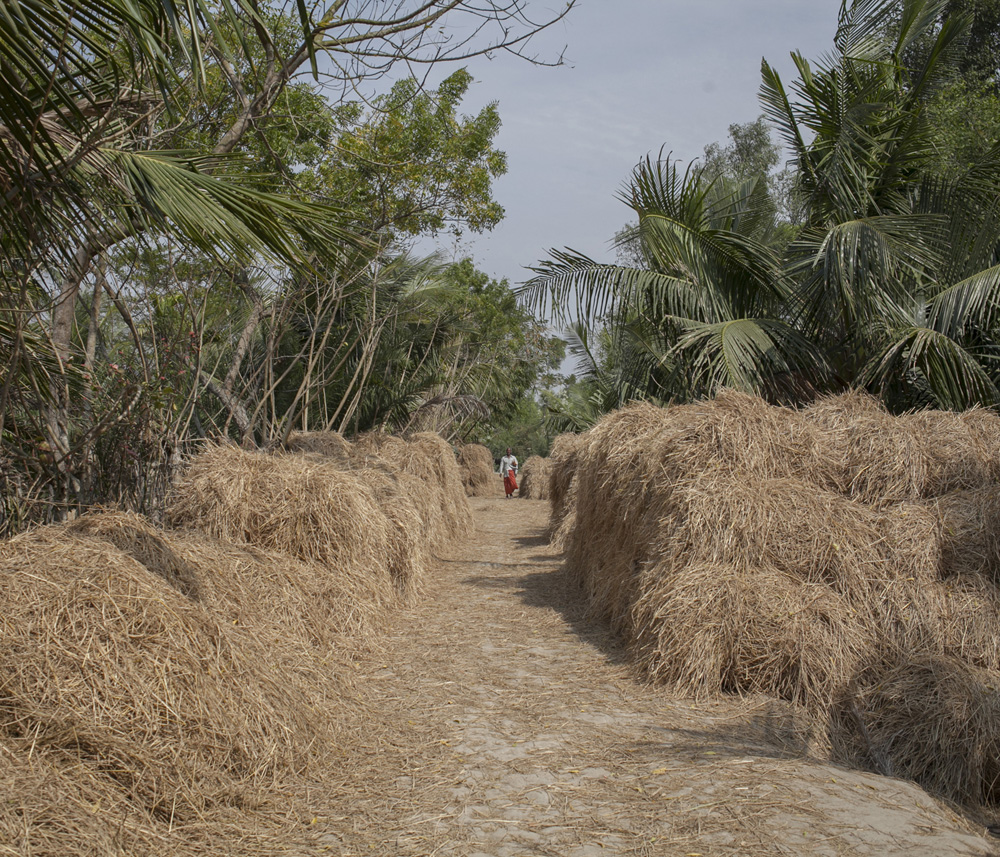
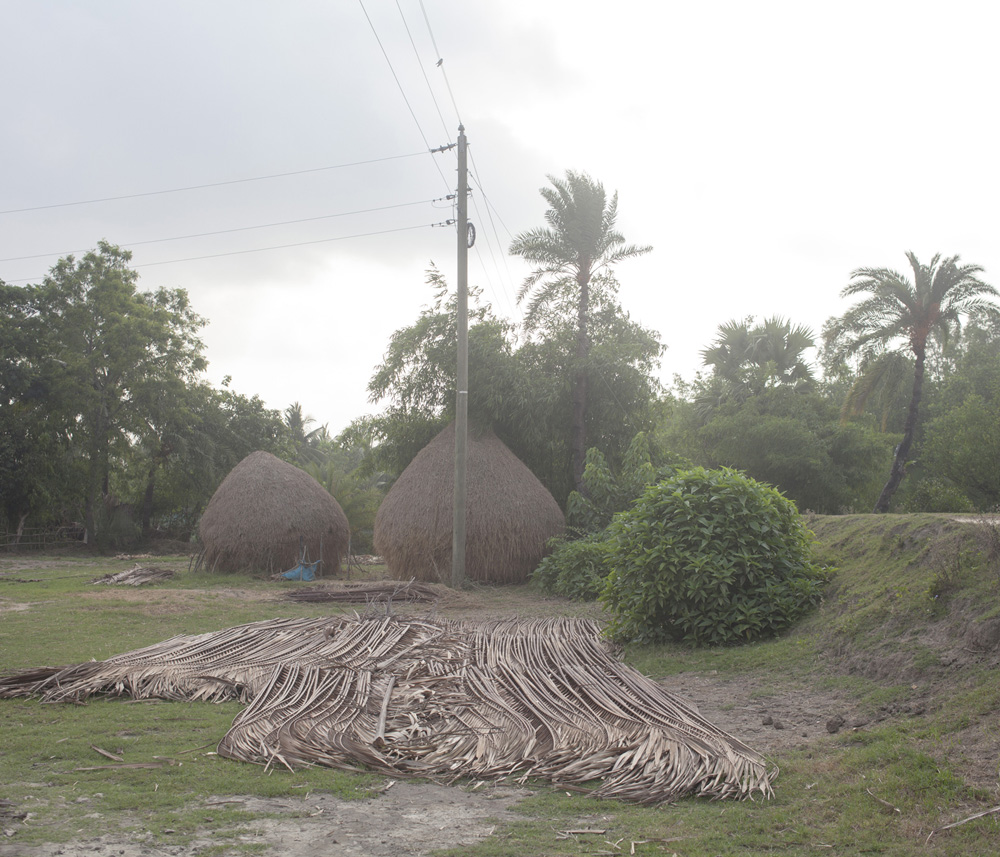
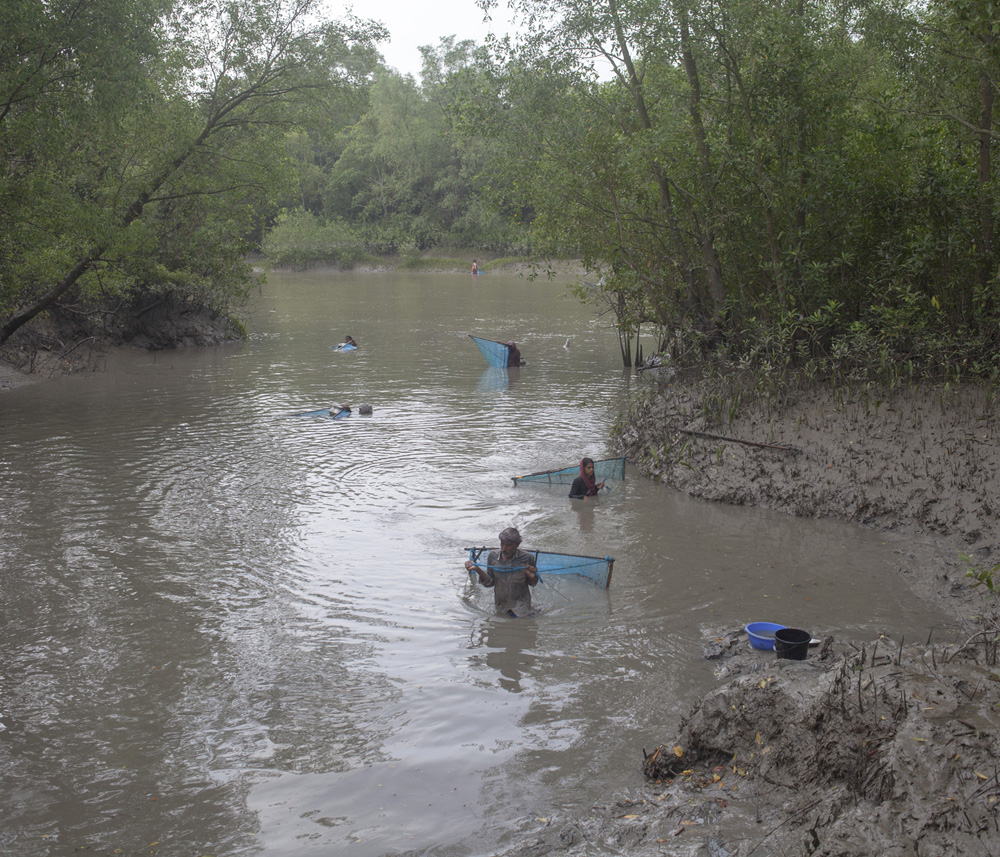
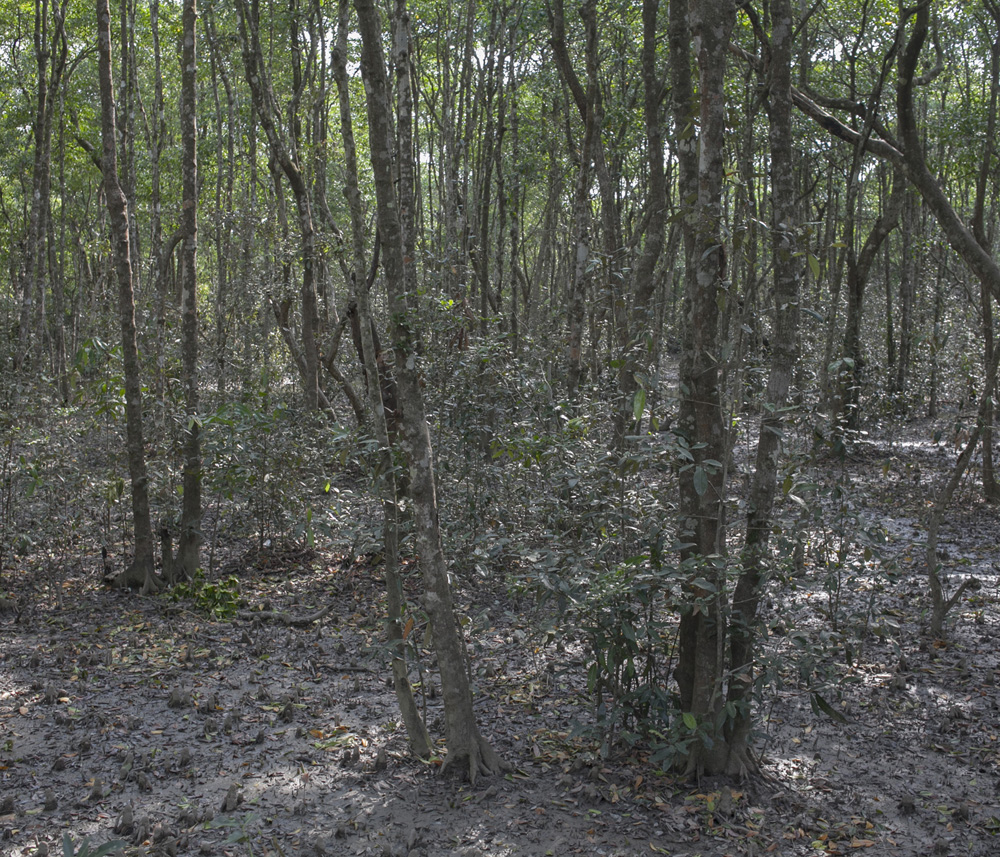
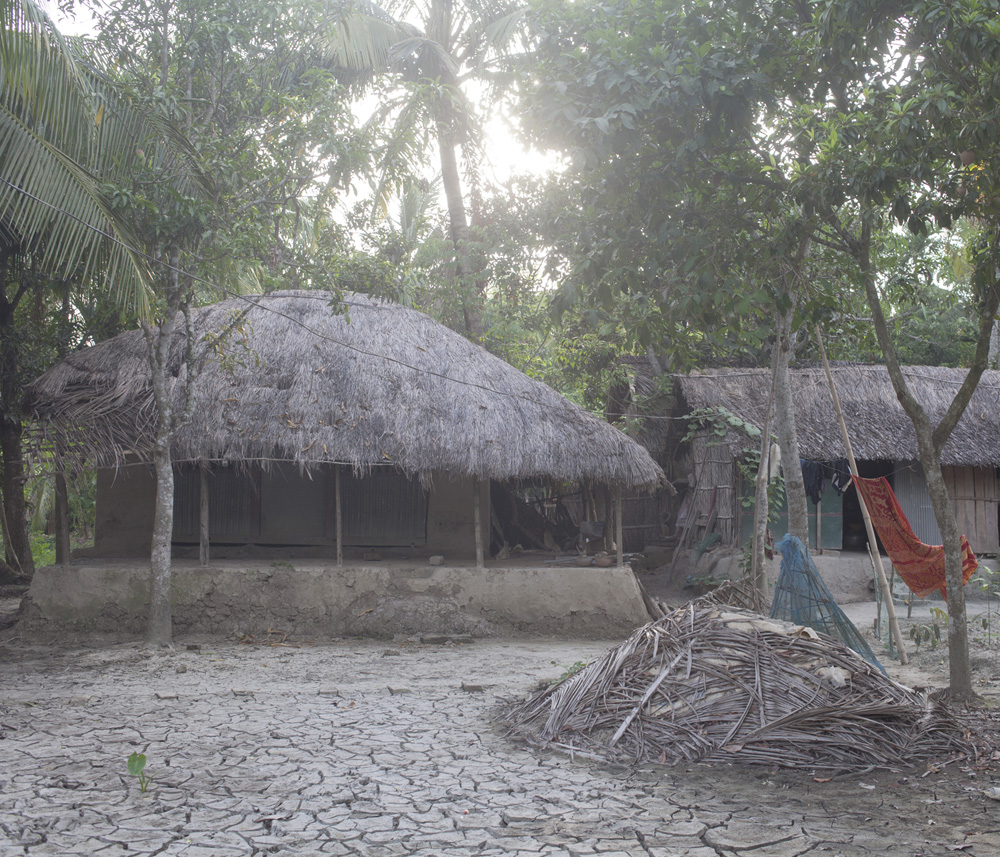
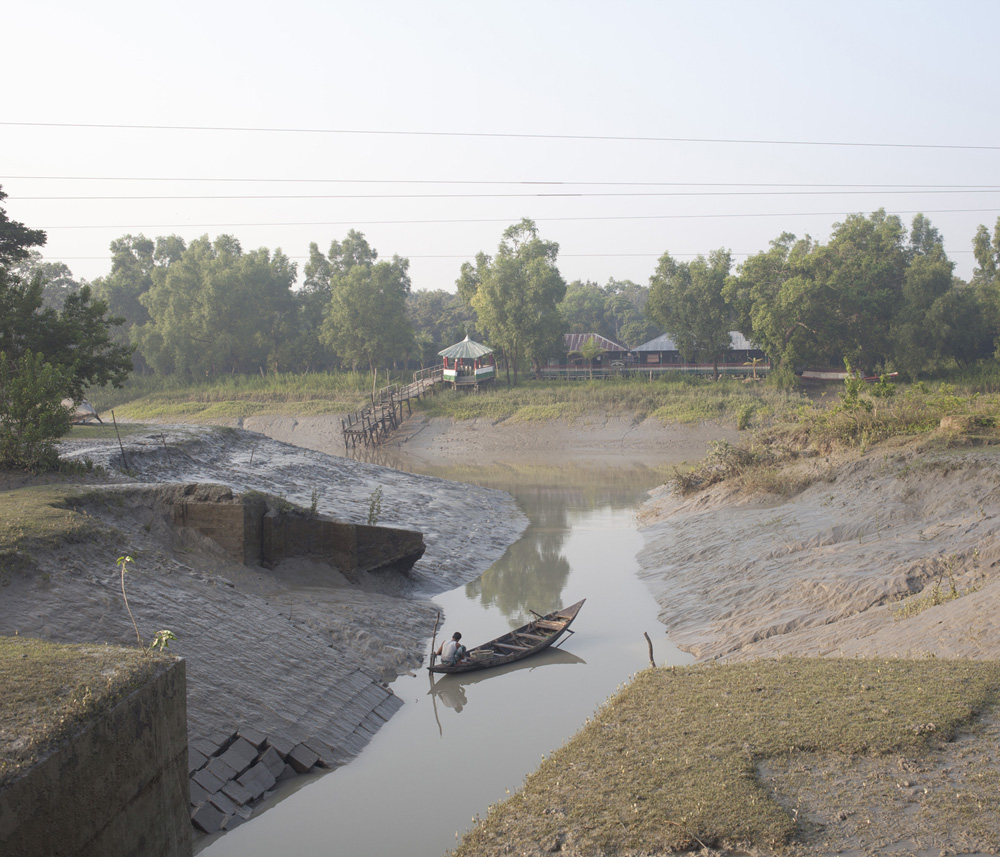
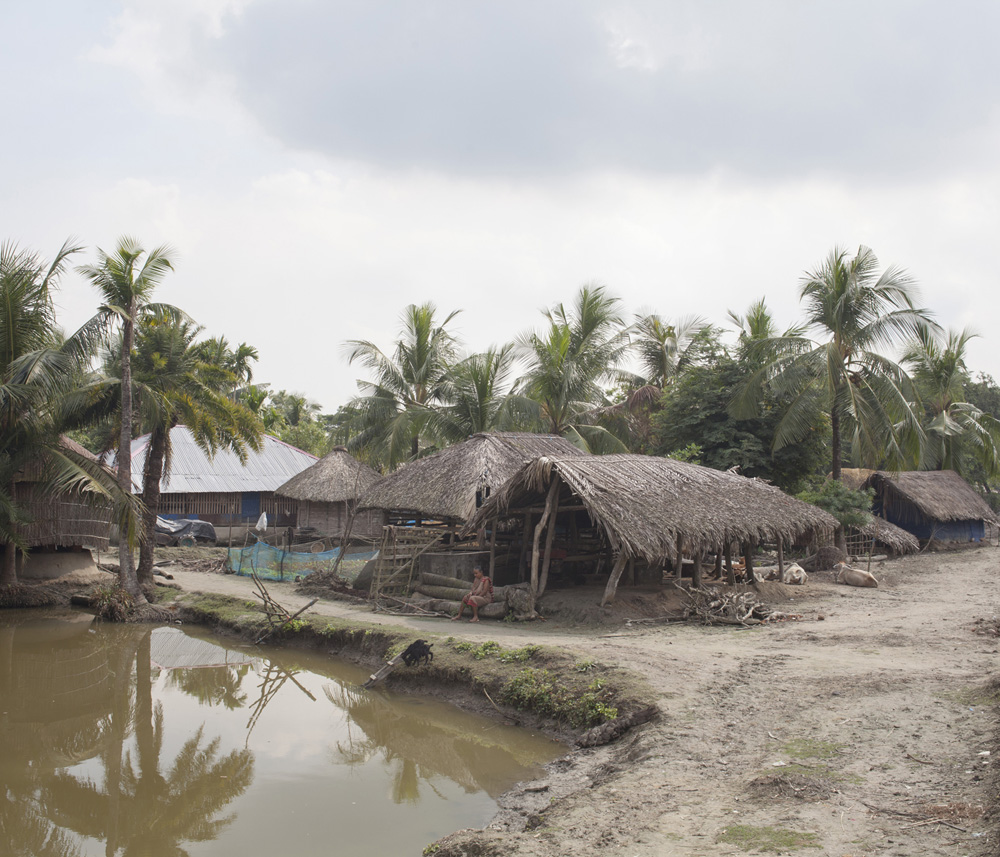
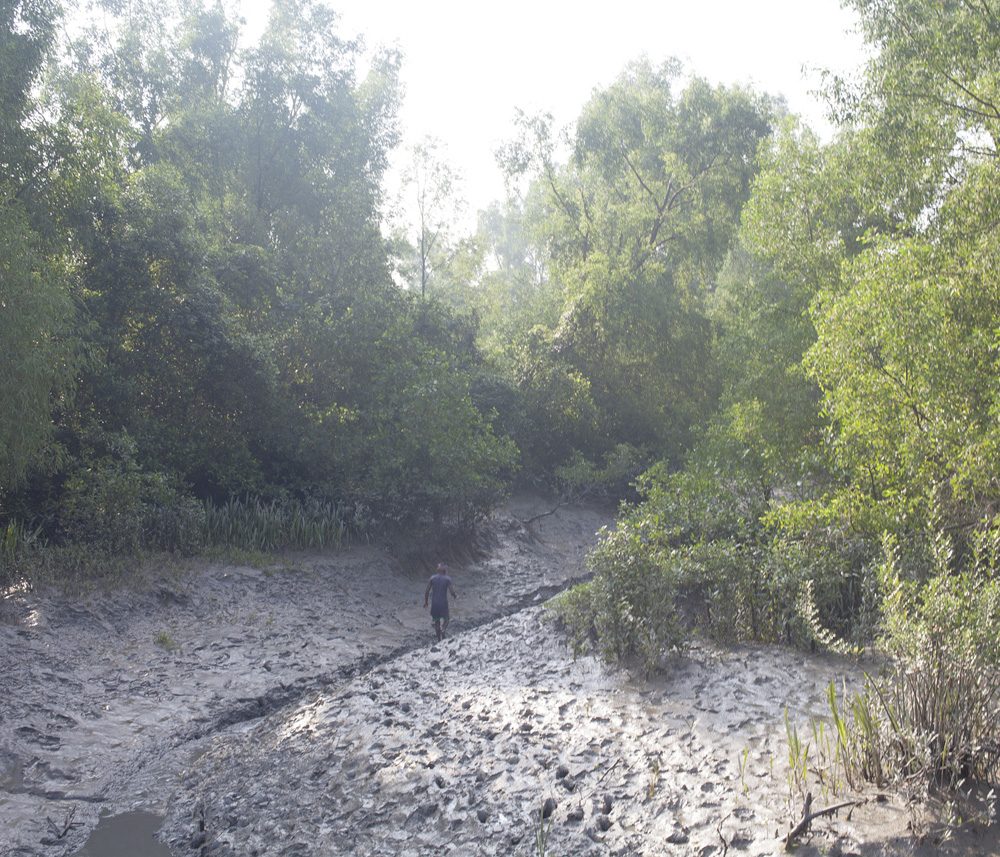
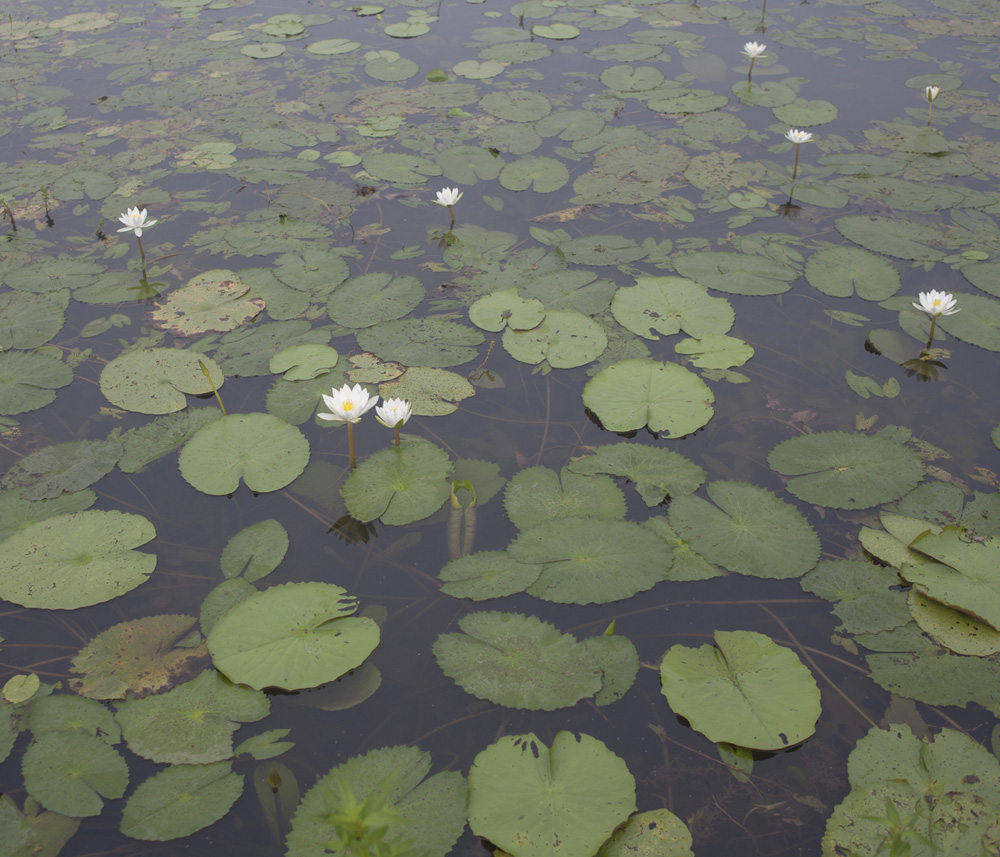
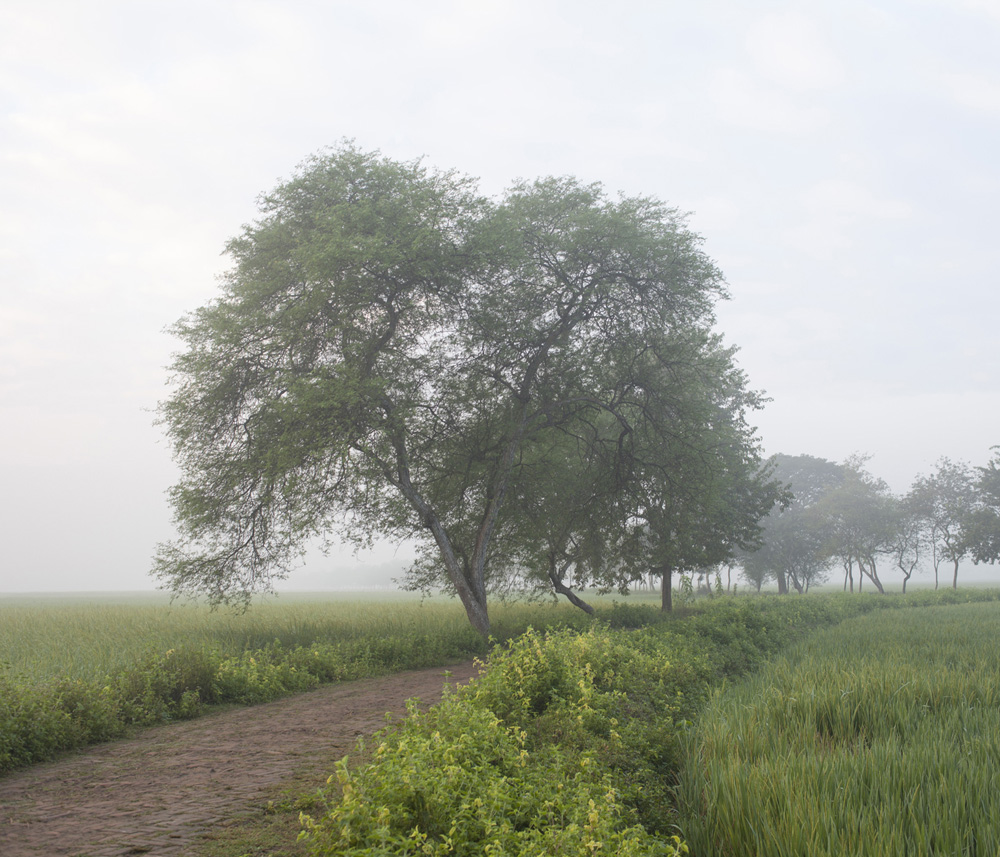
Sundarbans, the world’s largest mangrove forest, stretches across the delta of the Padma River, Meghna River and Brahmaputra River, covering parts of Khulna District, Satkhira District and Bagerhat District before extending into India. Recognised by UNESCO as a World Heritage Site in 1997, it remains both an ecological frontier and a place of fragile human dependence, where millions of people rely on forest resources through fishing, honey collection, and wood gathering.
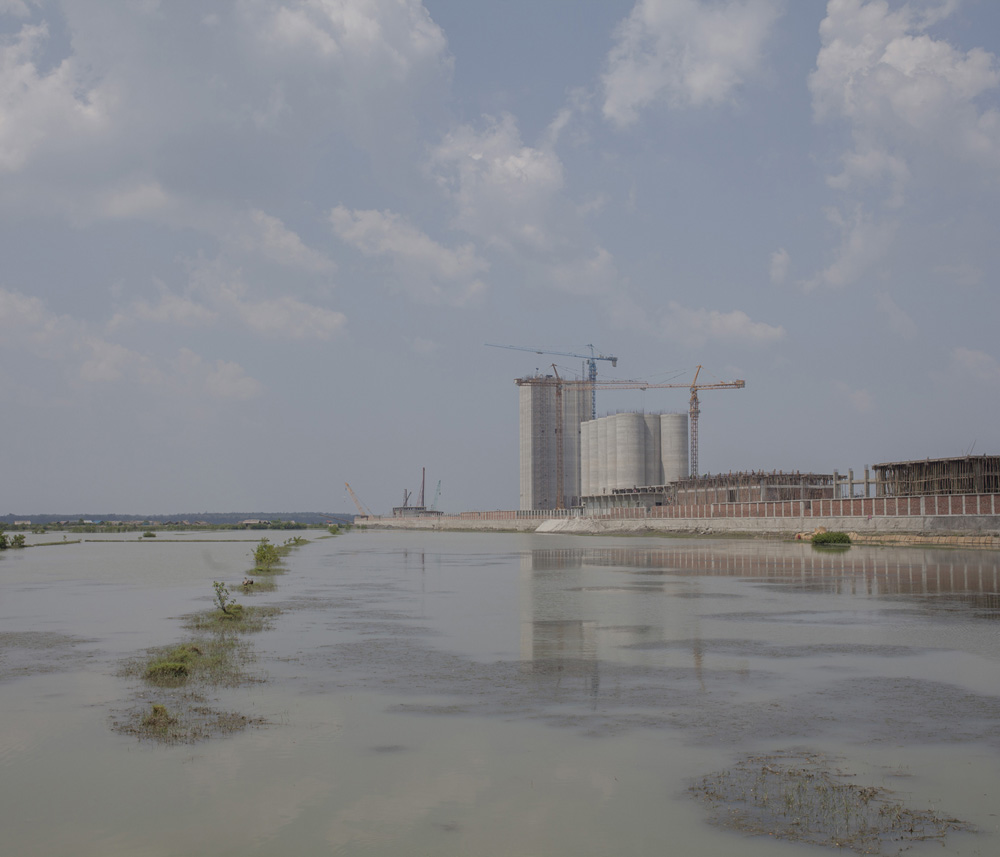
In recent years, this landscape has become central to intense debate surrounding the proposed Rampal Power Station, a coal-fired power project developed jointly by NTPC Limited and Bangladesh Power Development Board. Environmental concerns emerged immediately, as the project site stands close to the ecological boundary of the forest, raising questions about long-term impact on air, water, and biodiversity.
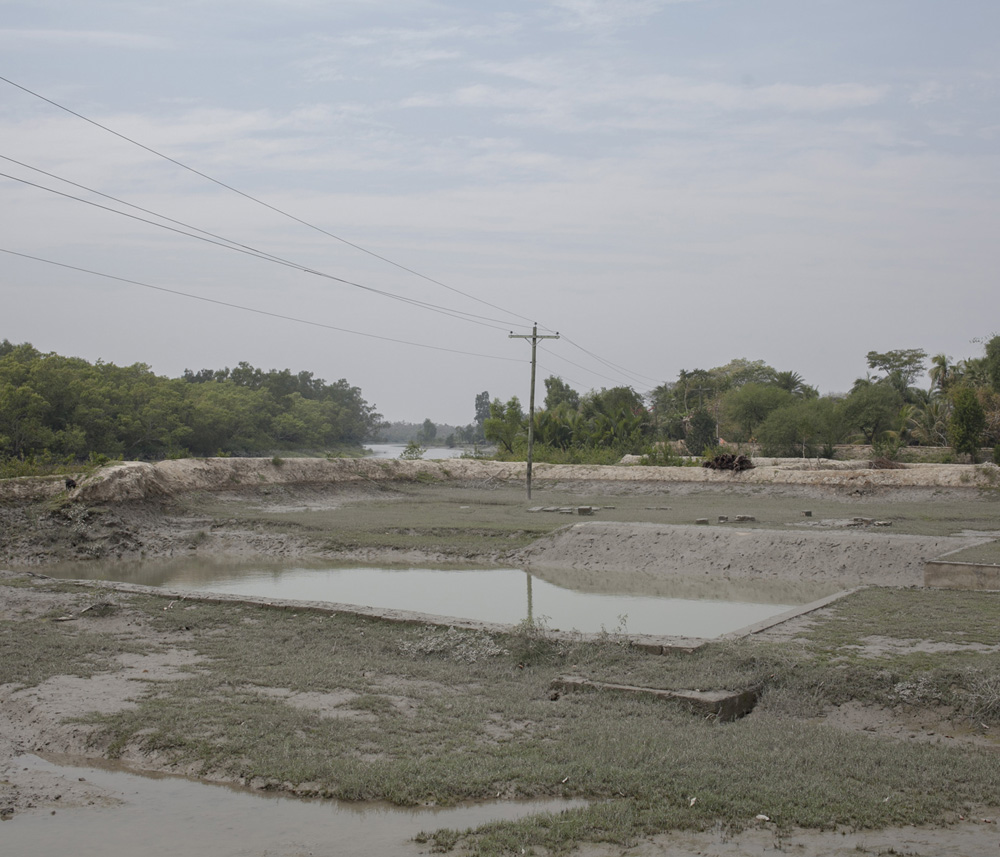
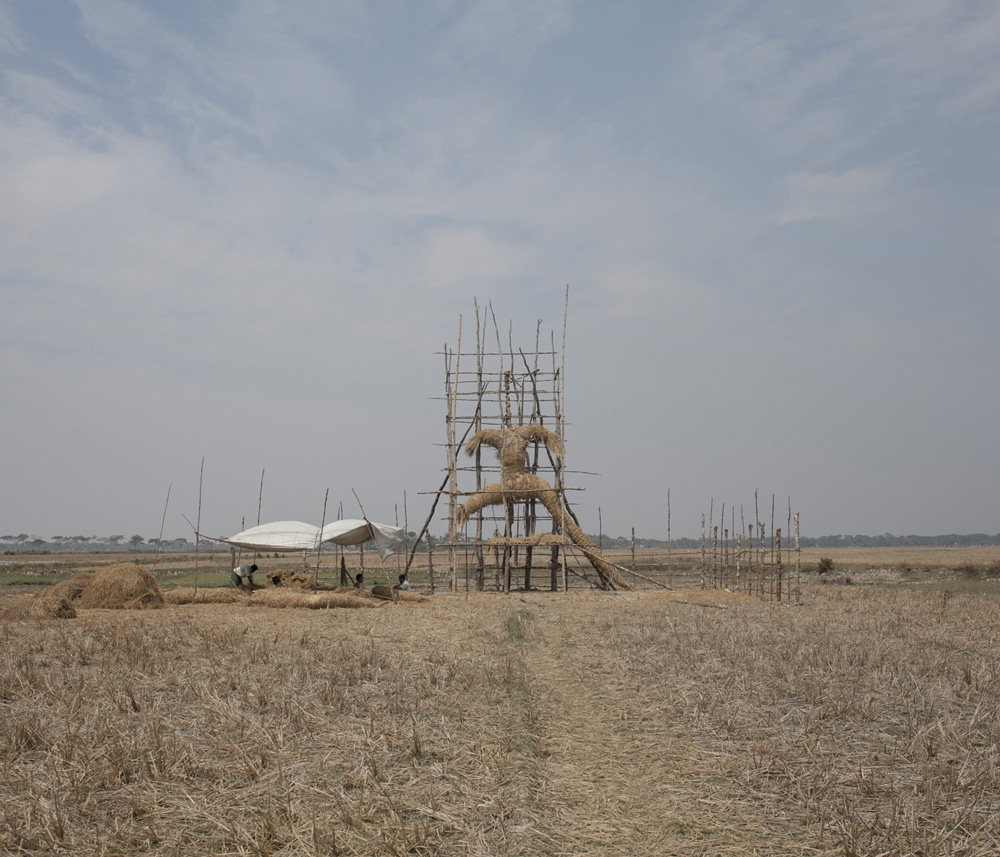
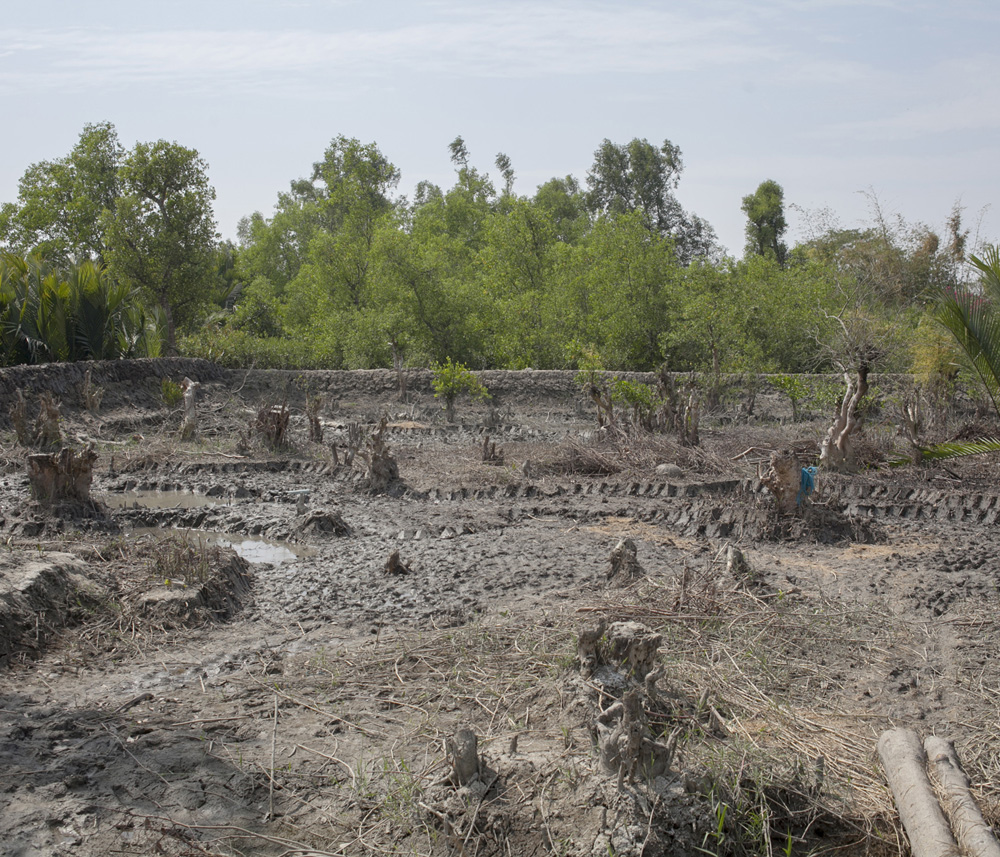
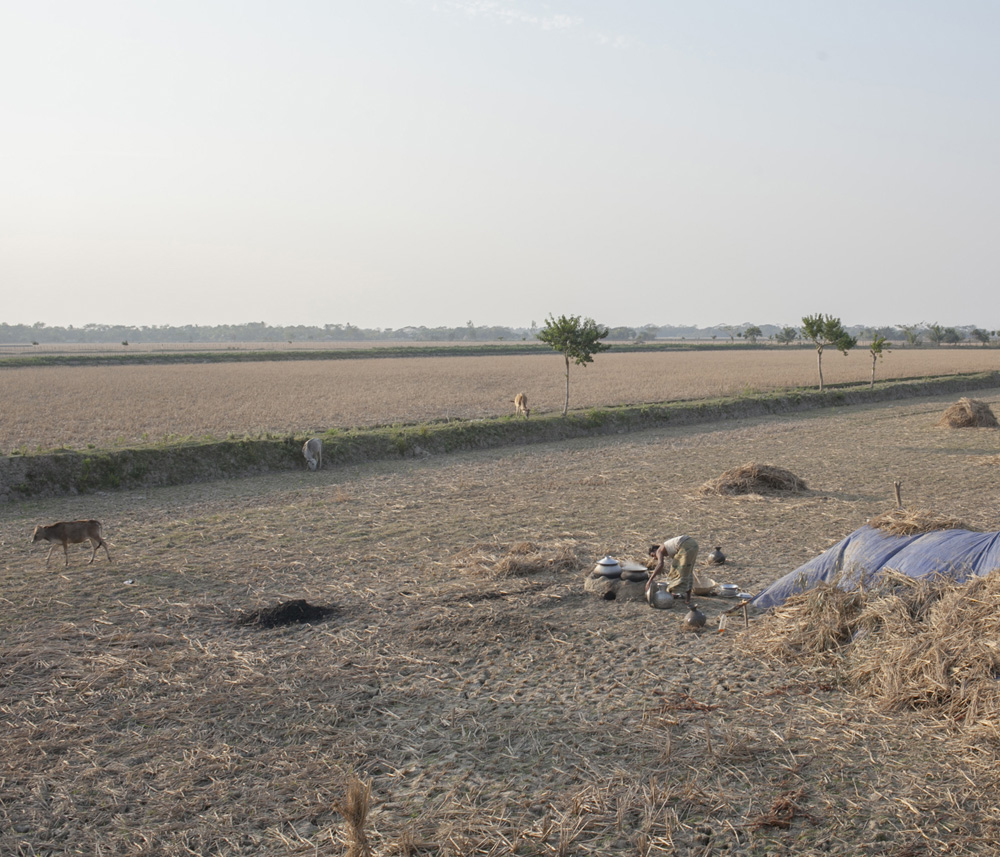
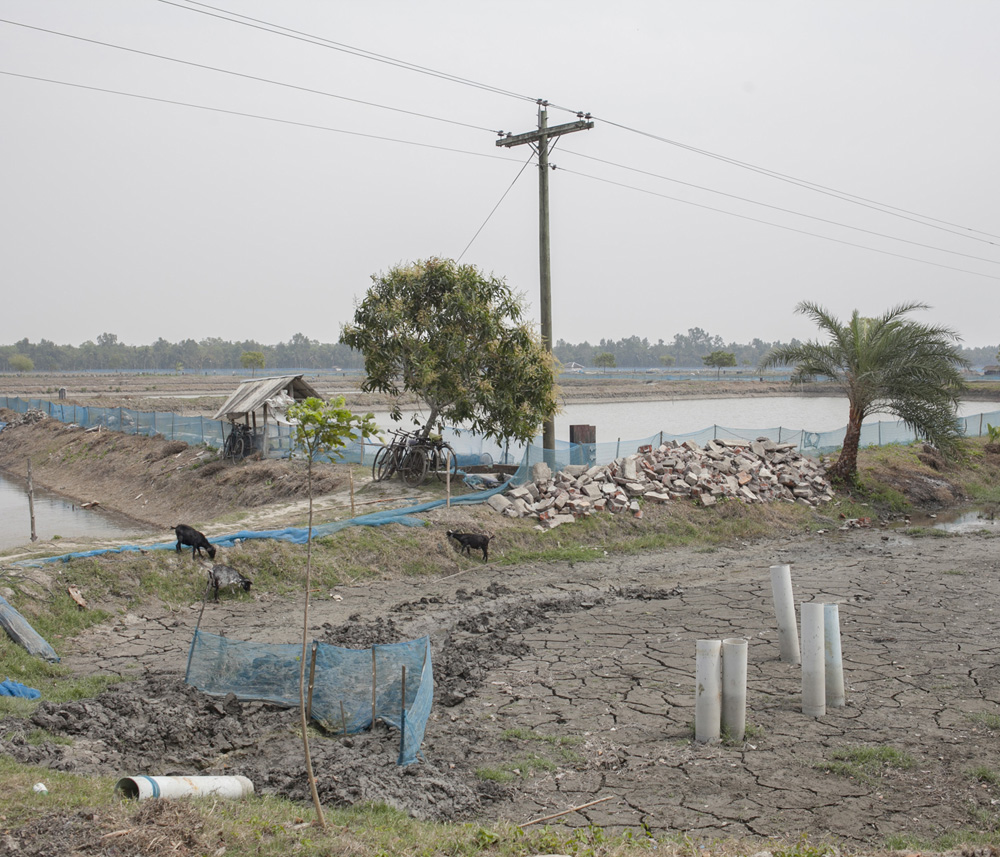
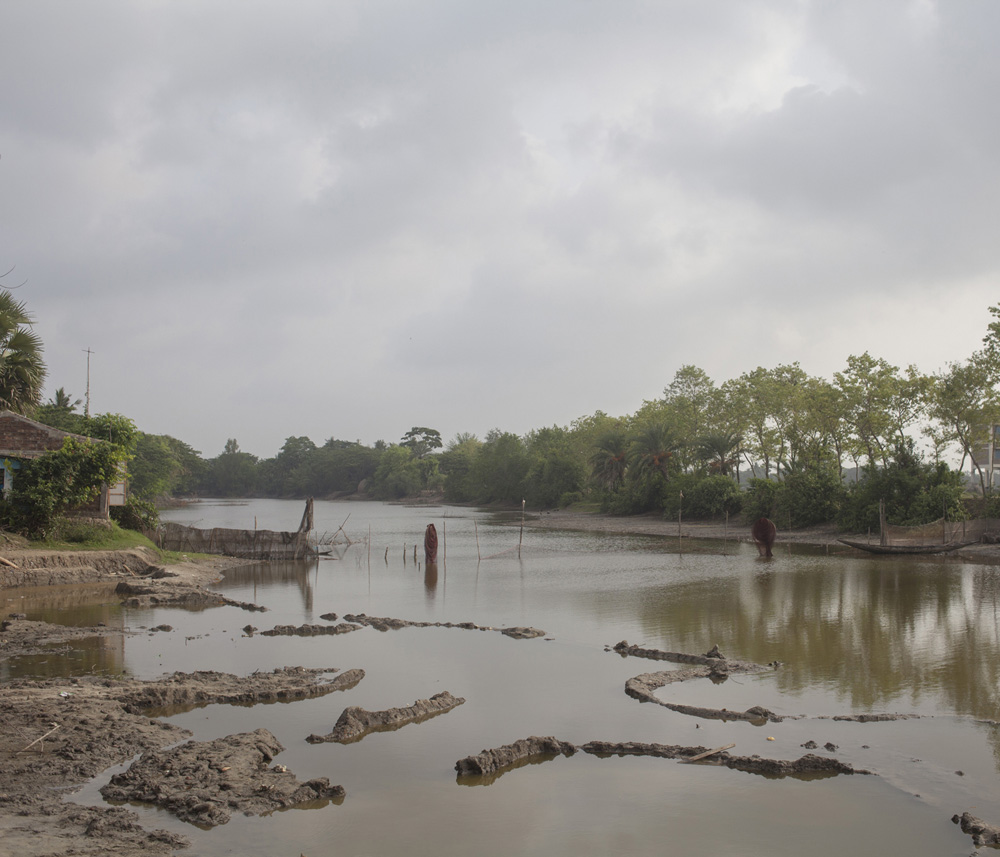
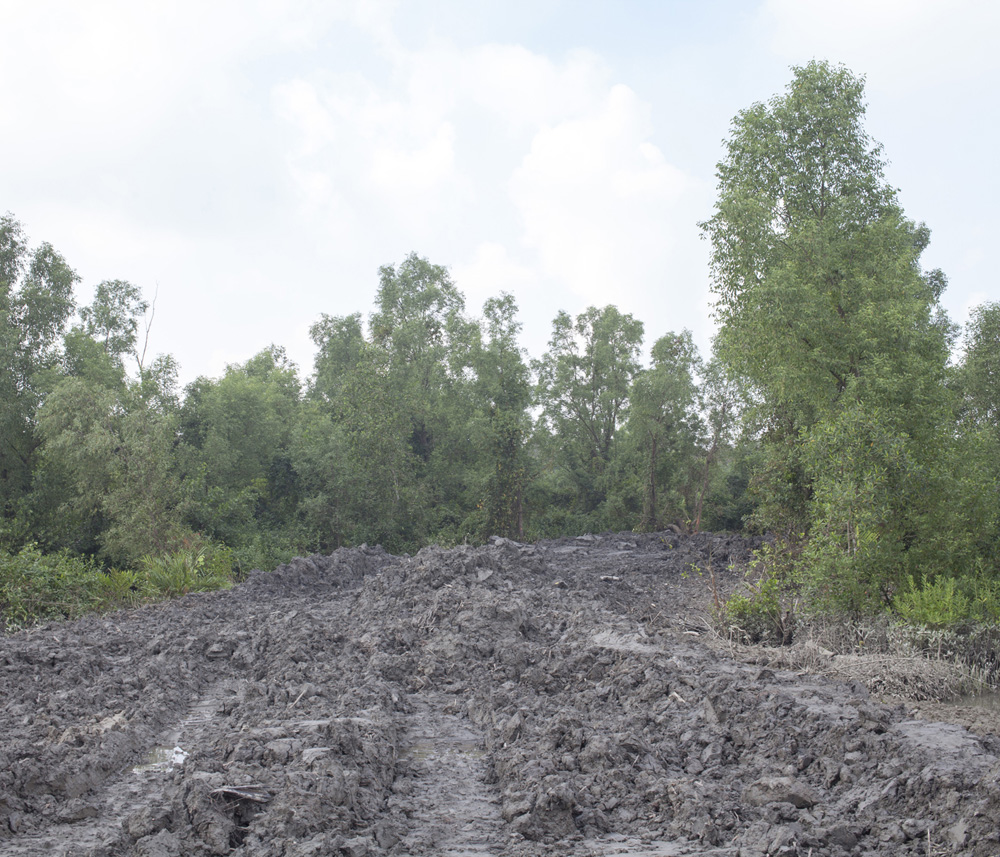
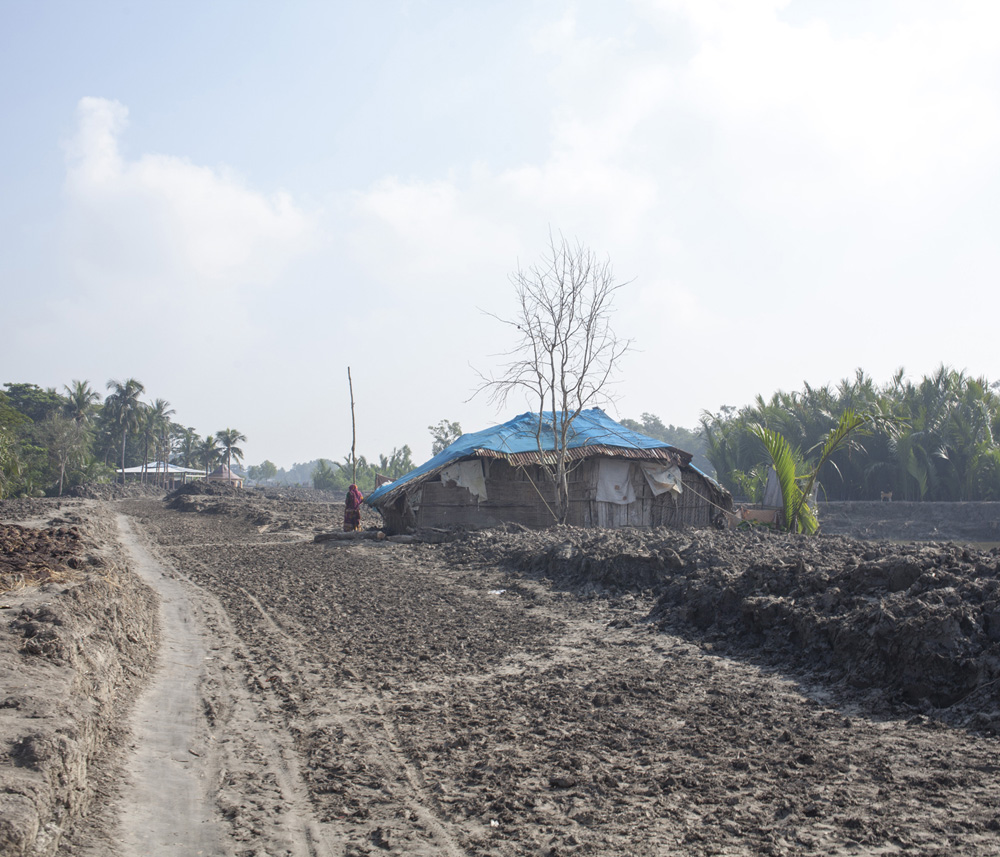
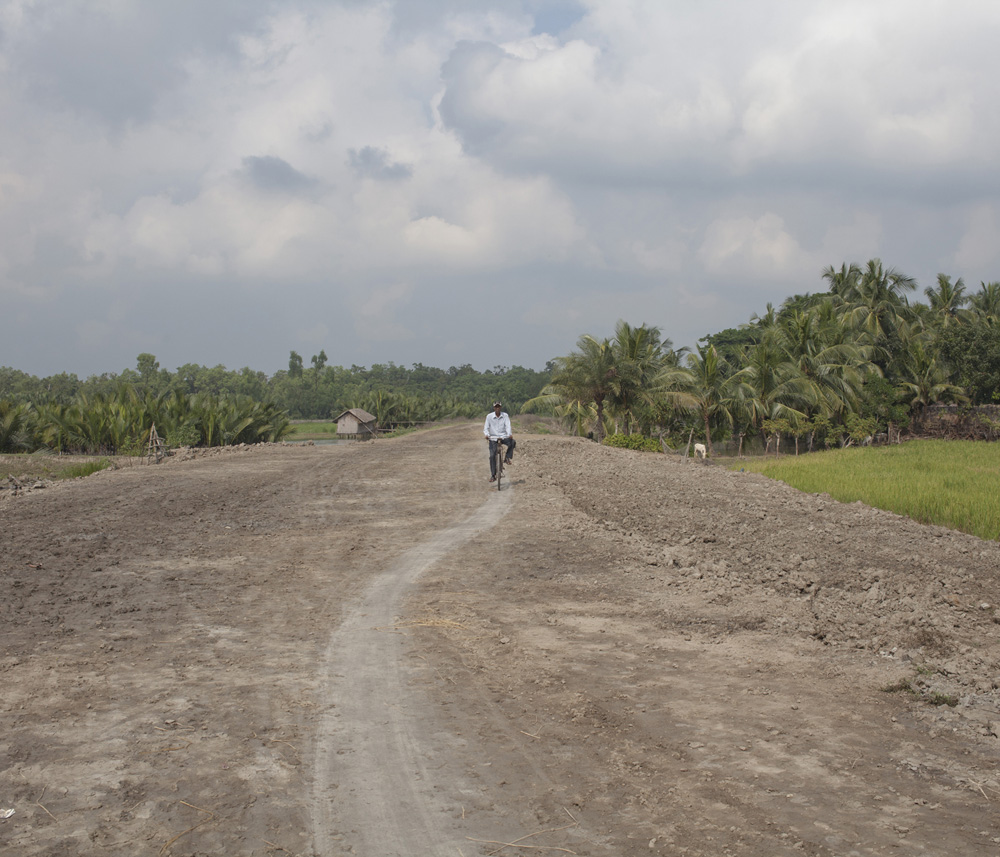
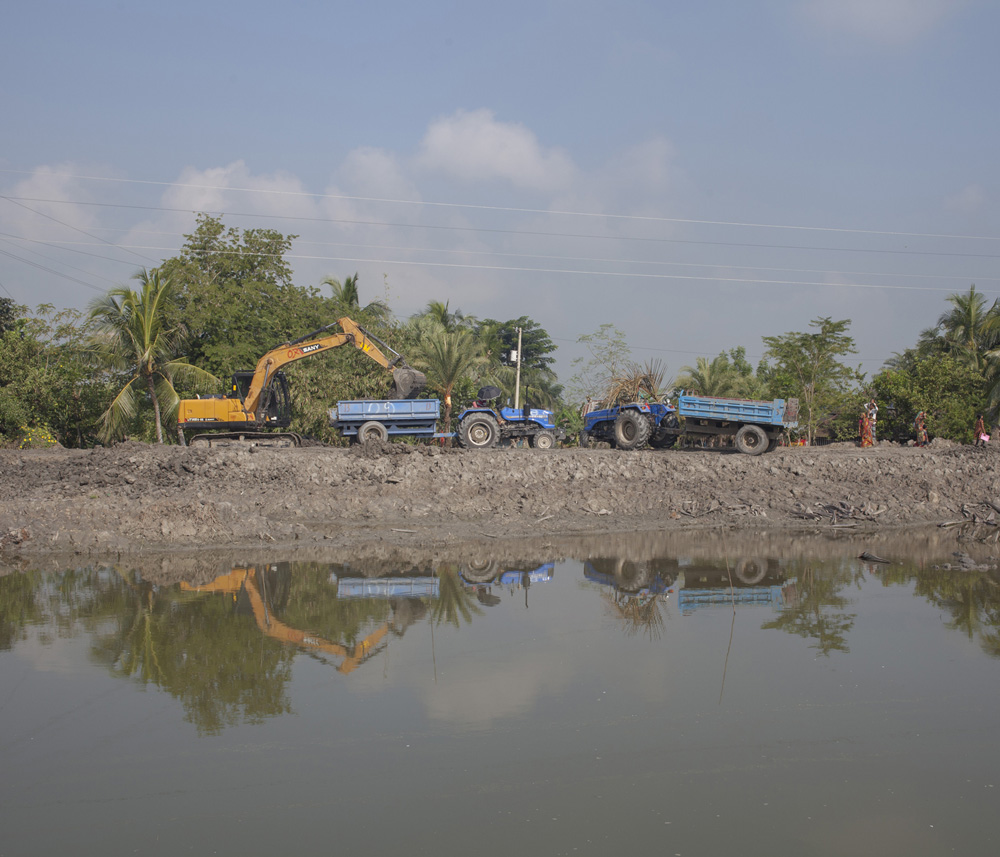
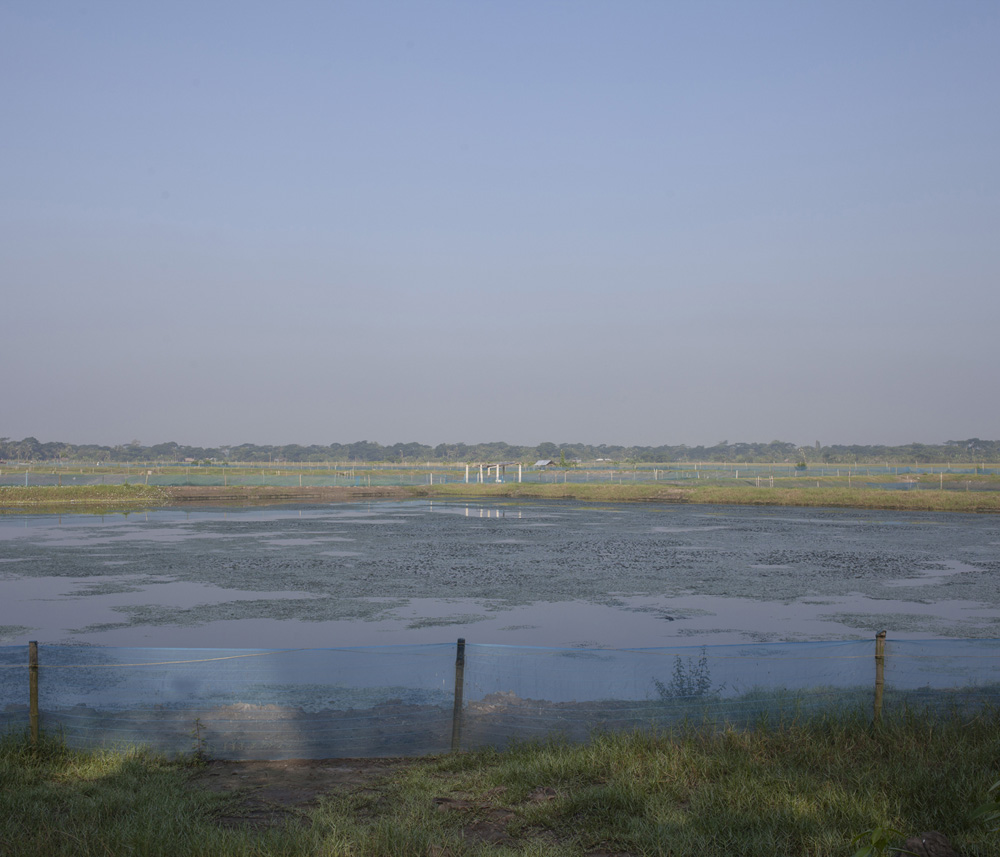
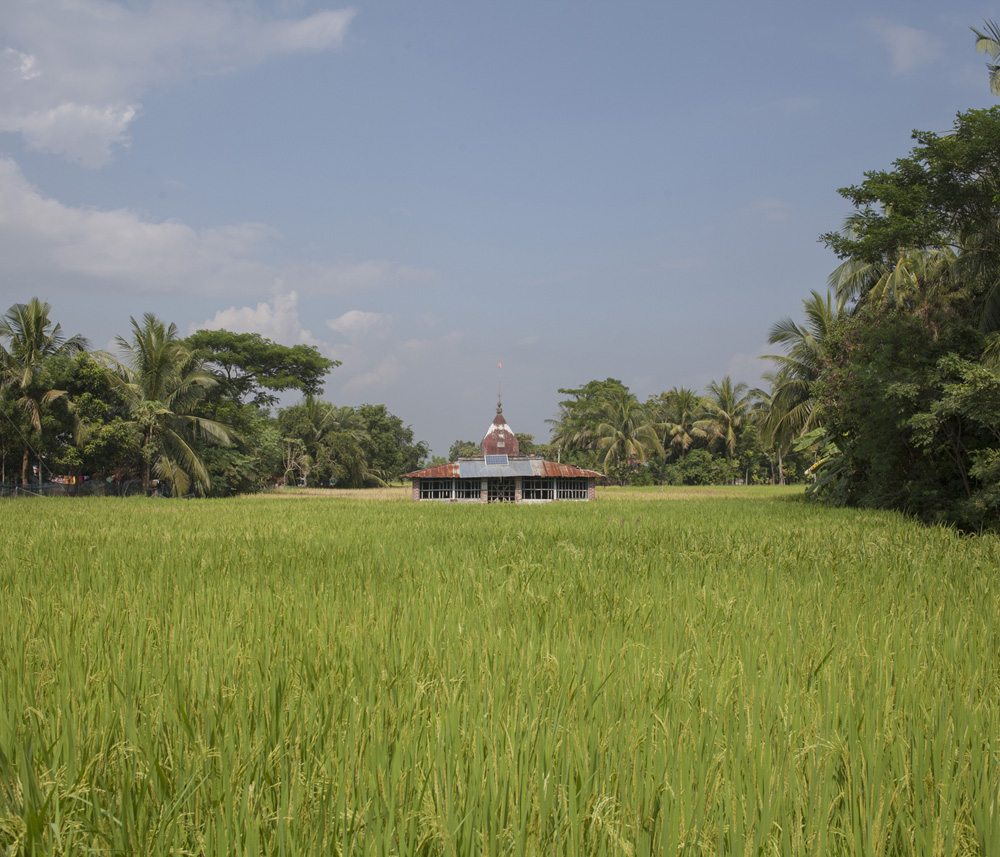
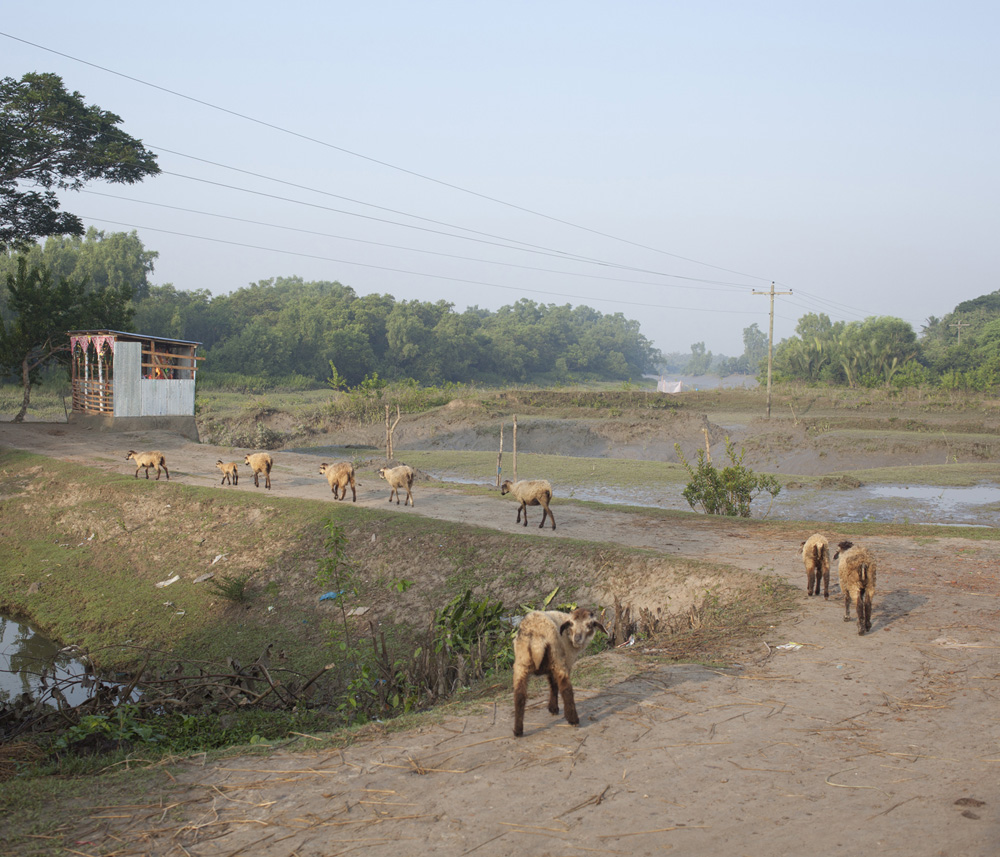
Coal transport routes, industrial preparation, and expanding infrastructure have already begun altering the surrounding territory. Roads once shaped by forest movement now carry heavy industrial traffic. Dust, ash, and construction materials mark a visible shift in atmosphere. Along the route from Sutarkhali Forest Office toward Banishanta and Chila, the landscape reveals a region suspended between ecological vulnerability and economic promise.
Land prices have risen sharply. Private developers and large investment groups have entered the area, acquiring land for hotels, roads, and commercial projects. What appears as development also carries another image: a slow transformation of the forest edge, where uncertainty grows alongside expectation.
This work follows that fragile threshold, where trust in development and fear of irreversible loss exist side by side.