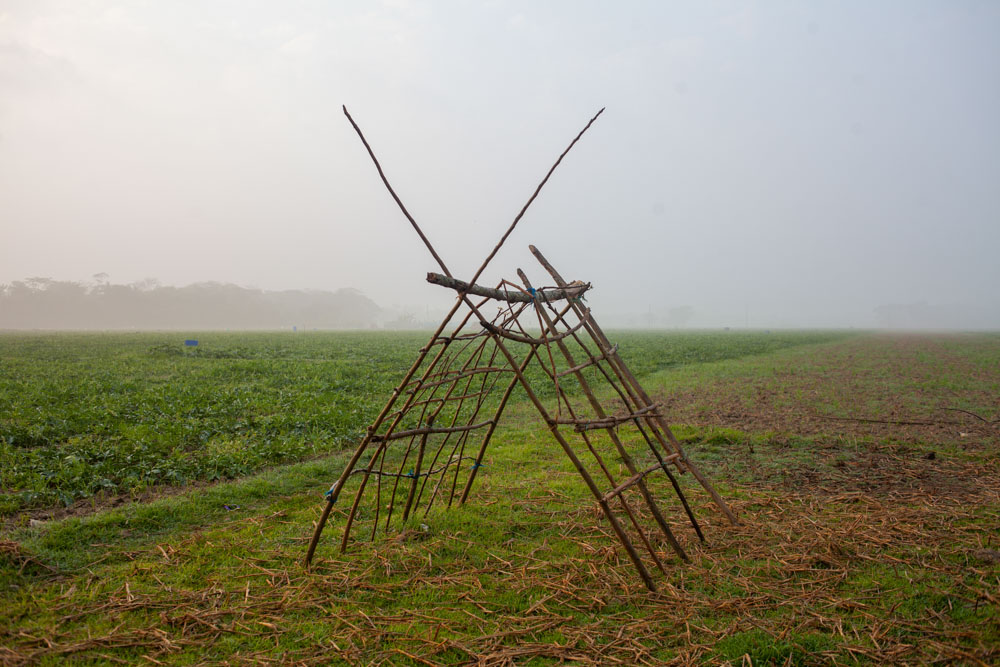
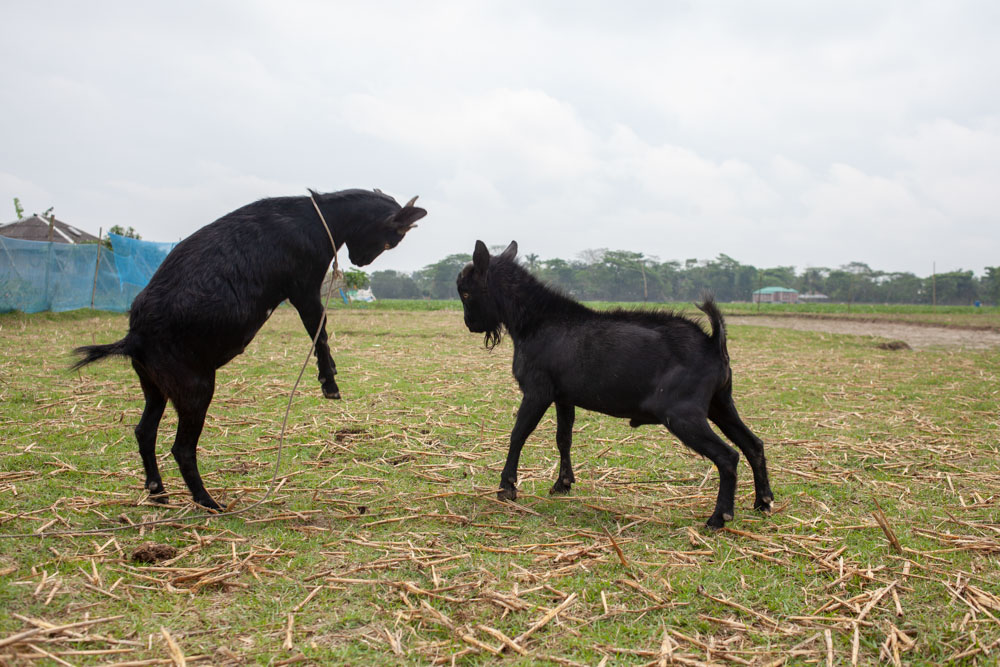
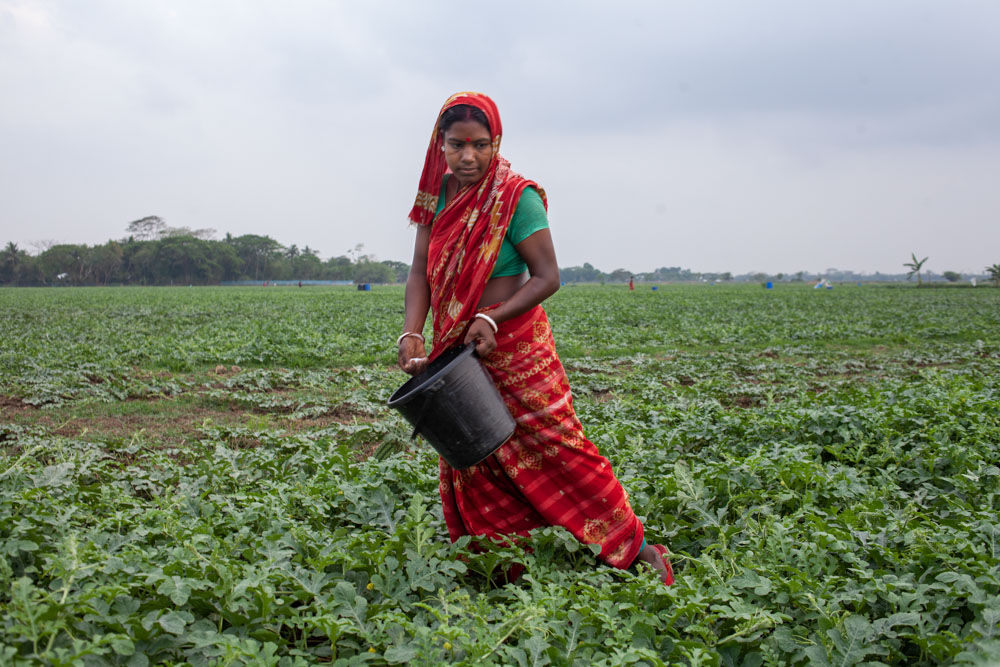
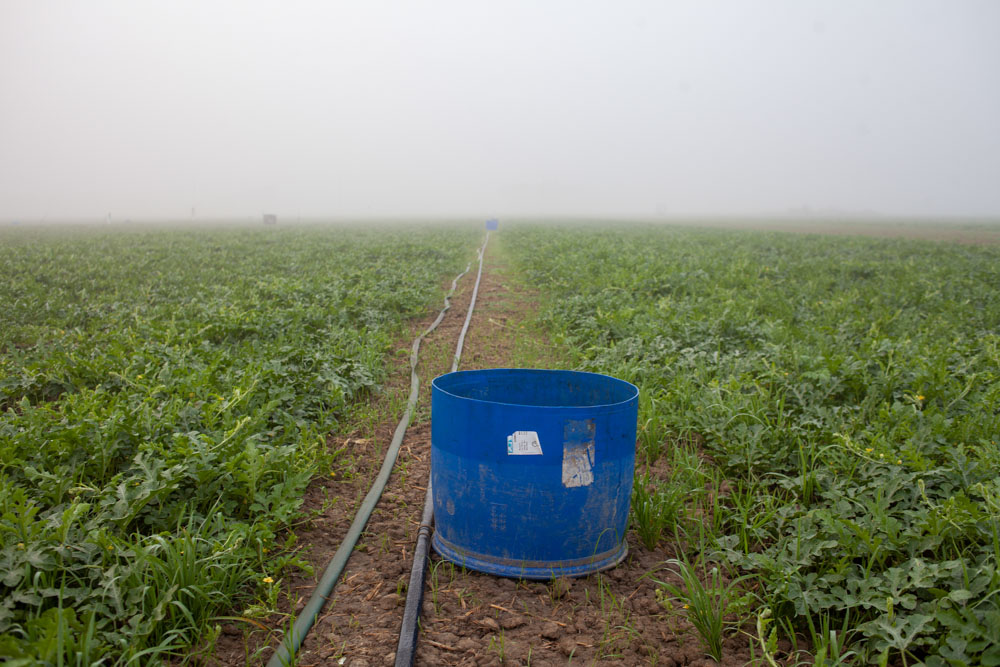
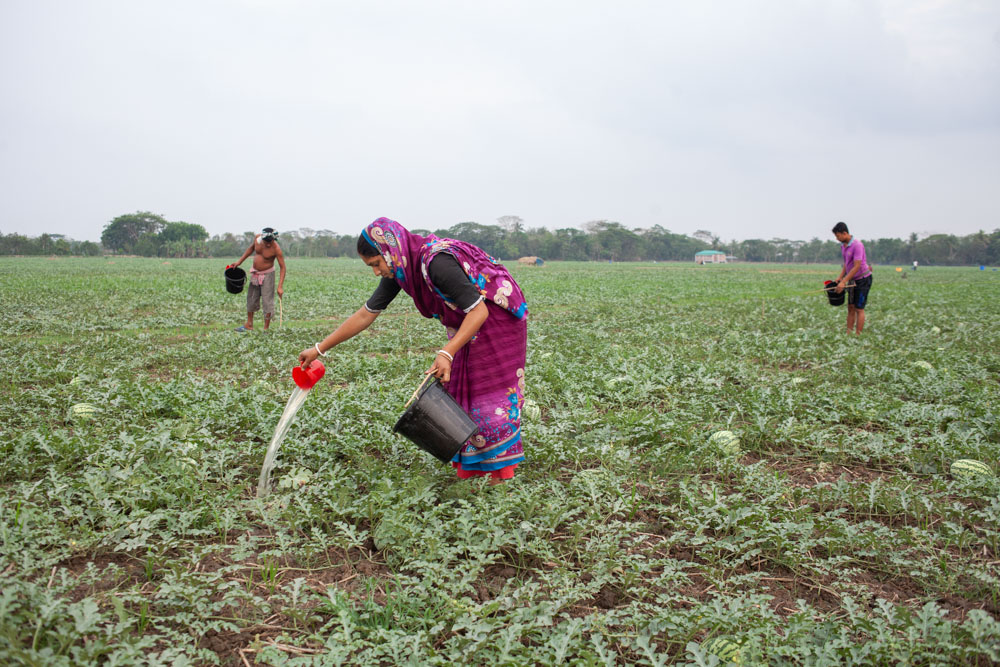
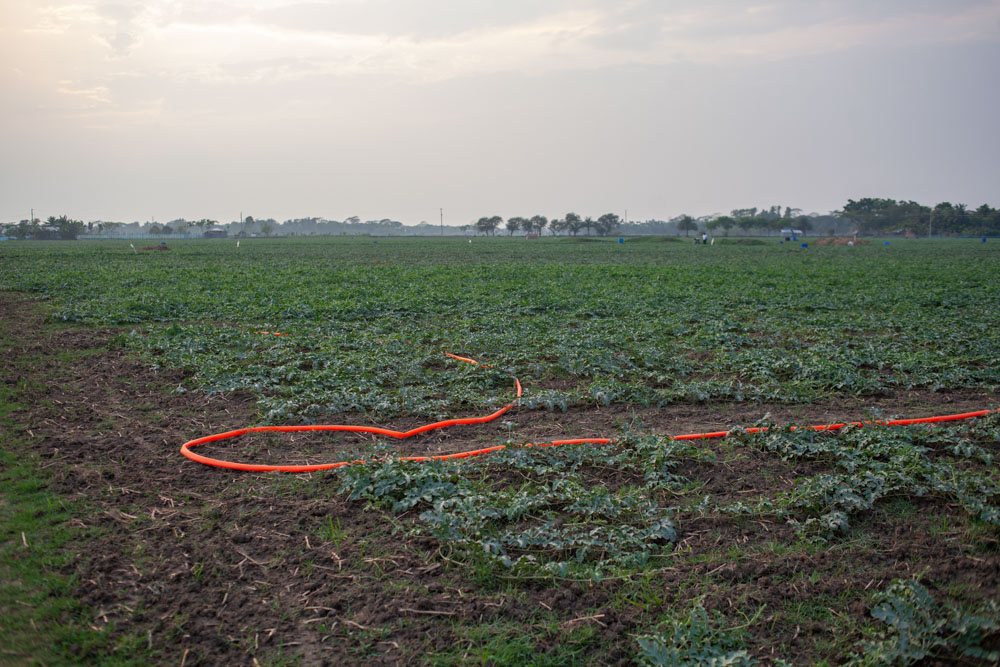
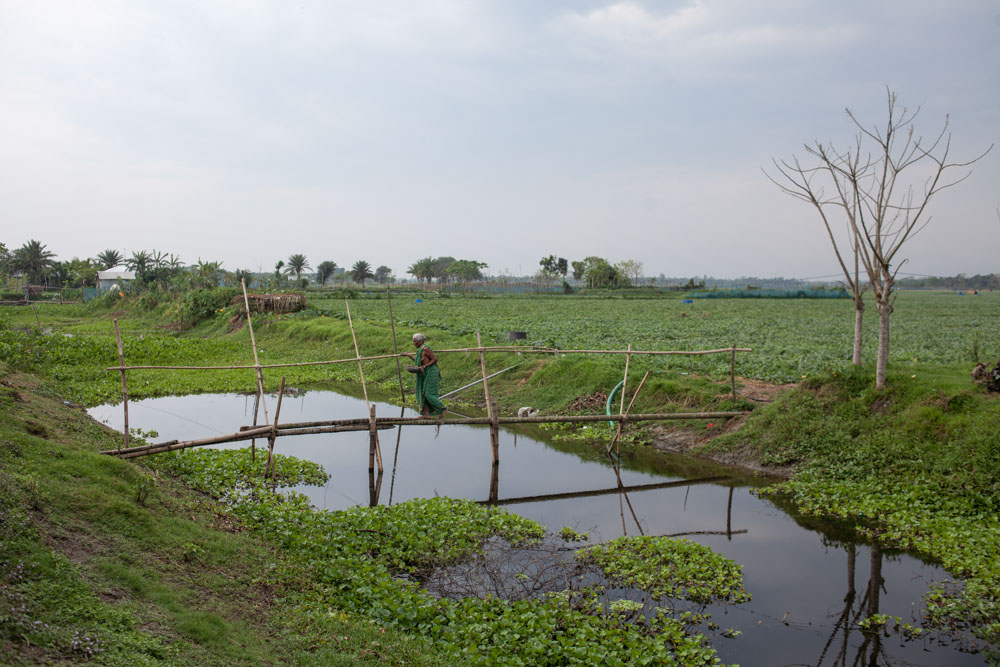
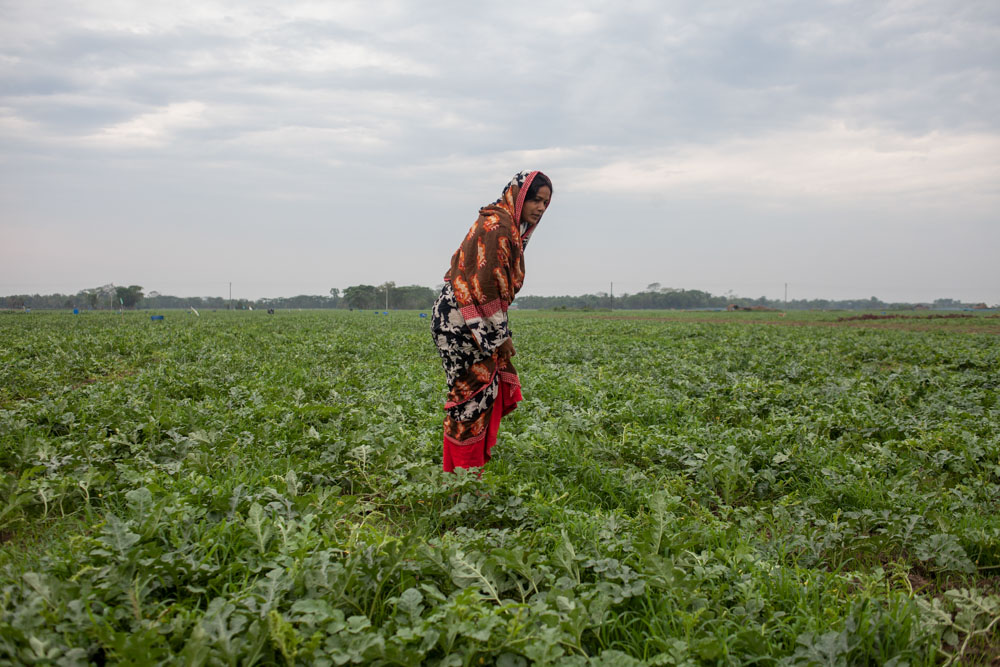
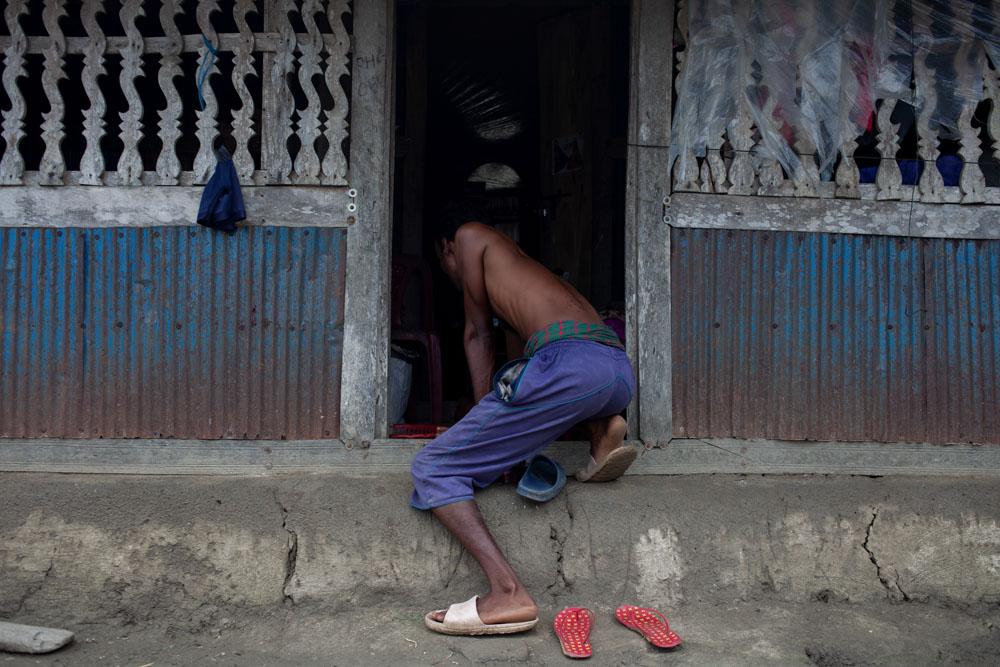
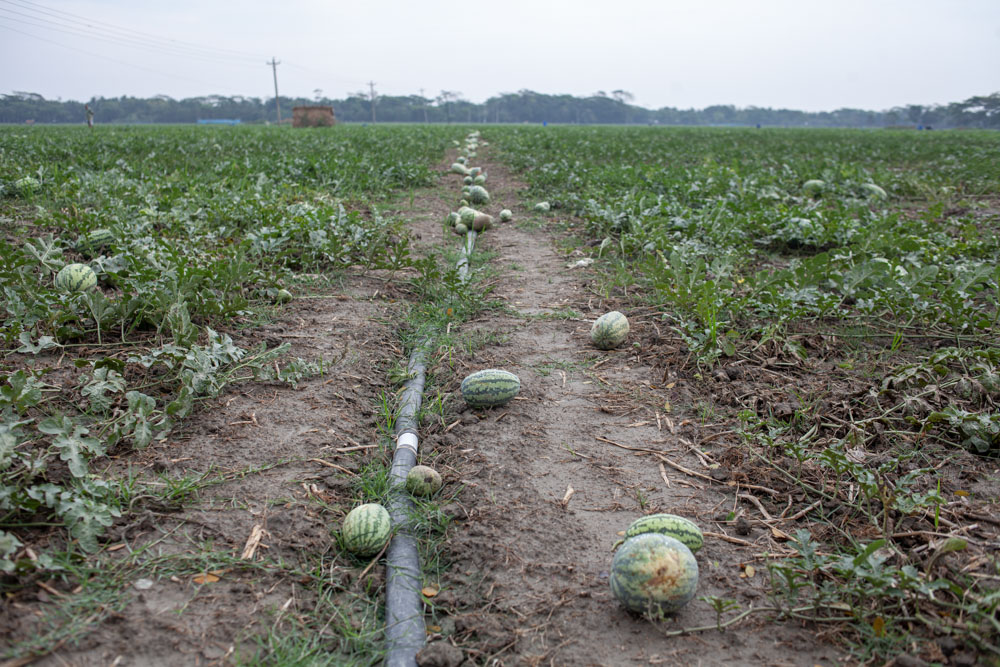
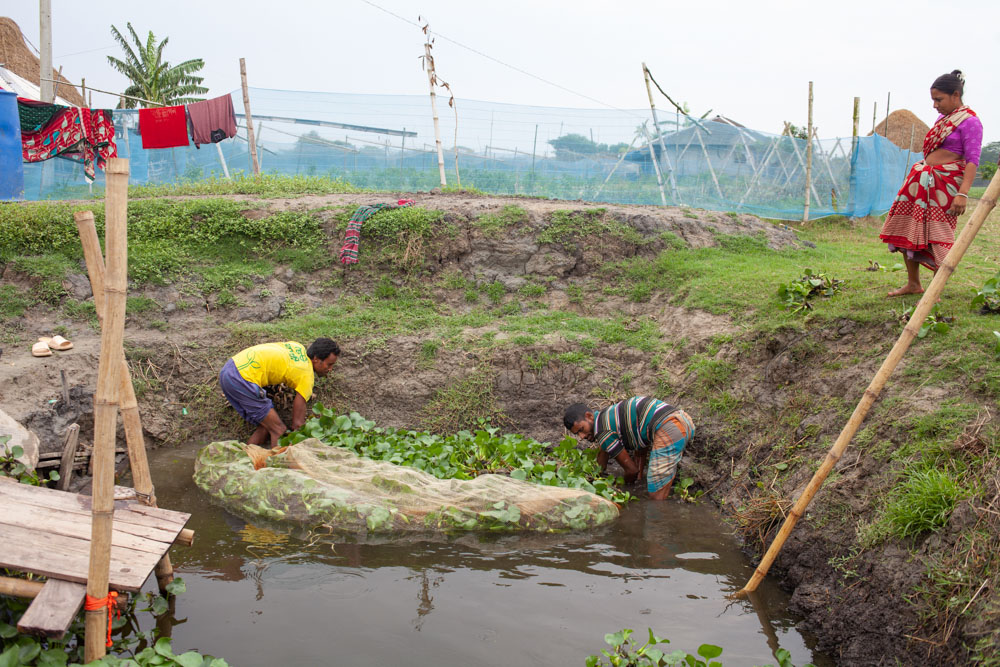
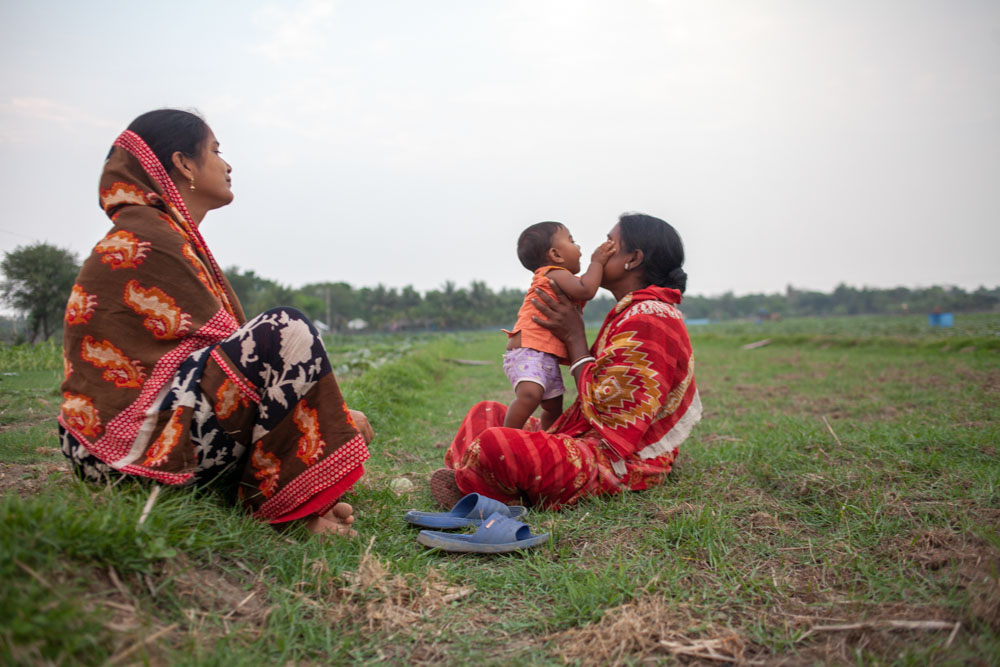
Dacope Upazila is a saline coastal region near Sundarbans, shaped by fragile ecological conditions and seasonal agricultural dependence. During summer, watermelon cultivation becomes one of the area’s most profitable economic activities, generating nearly one billion Bangladeshi taka each year and sustaining a large number of farming households.
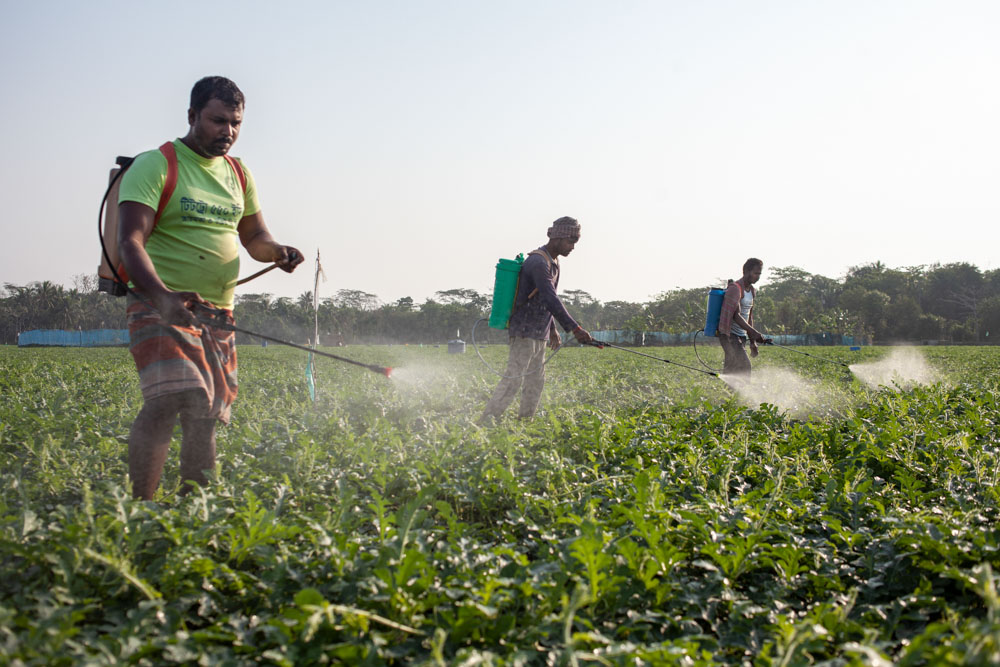
Yet beneath this seasonal prosperity lies a growing ecological crisis. In pursuit of faster growth and higher yields, many farmers rely heavily on chemical fertilizers and pesticides, substances that increasingly affect soil fertility, human health, and the wider environmental balance. Over time, the land has become less productive, with repeated chemical use weakening the soil’s natural capacity.
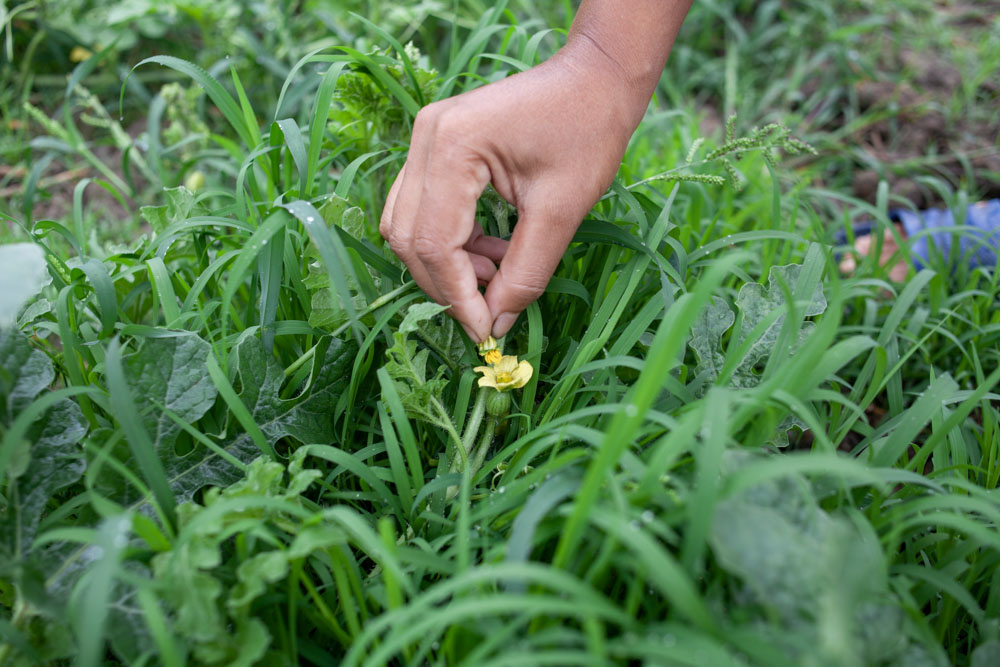
One of the most visible consequences is the decline of bee populations. As natural pollination decreases, farmers have begun manually pollinating watermelon flowers by hand, a slow and demanding process that reveals how deeply agricultural systems have already been altered. In many areas, toxic exposure has also contributed to the death of birds and small animals, further disrupting the surrounding ecosystem.
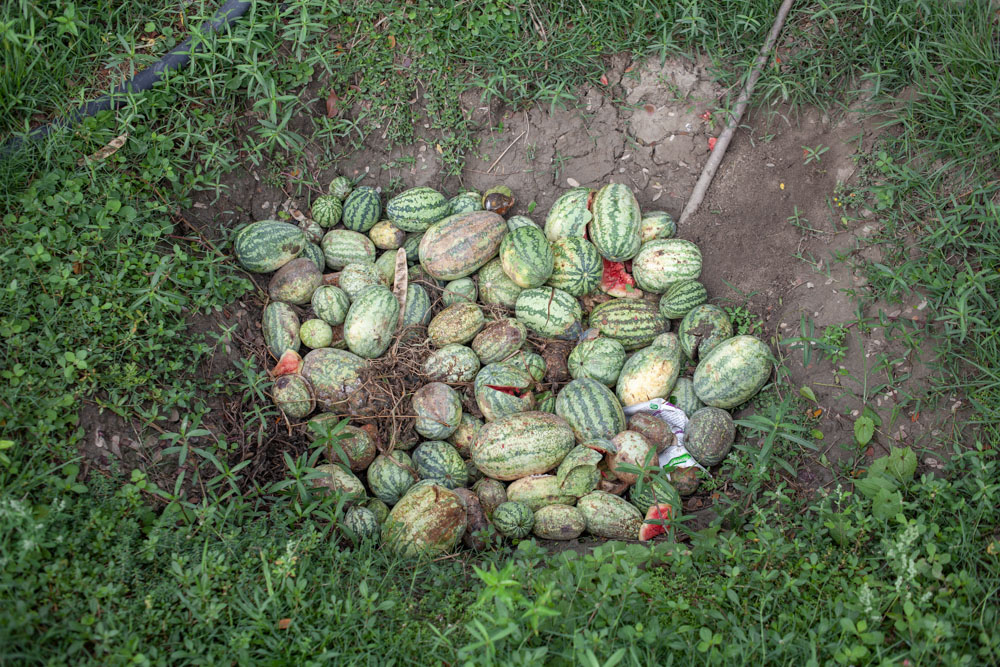
This work looks at the contradiction between sweetness and damage: a profitable harvest built upon practices that gradually threaten the very landscape that makes cultivation possible.