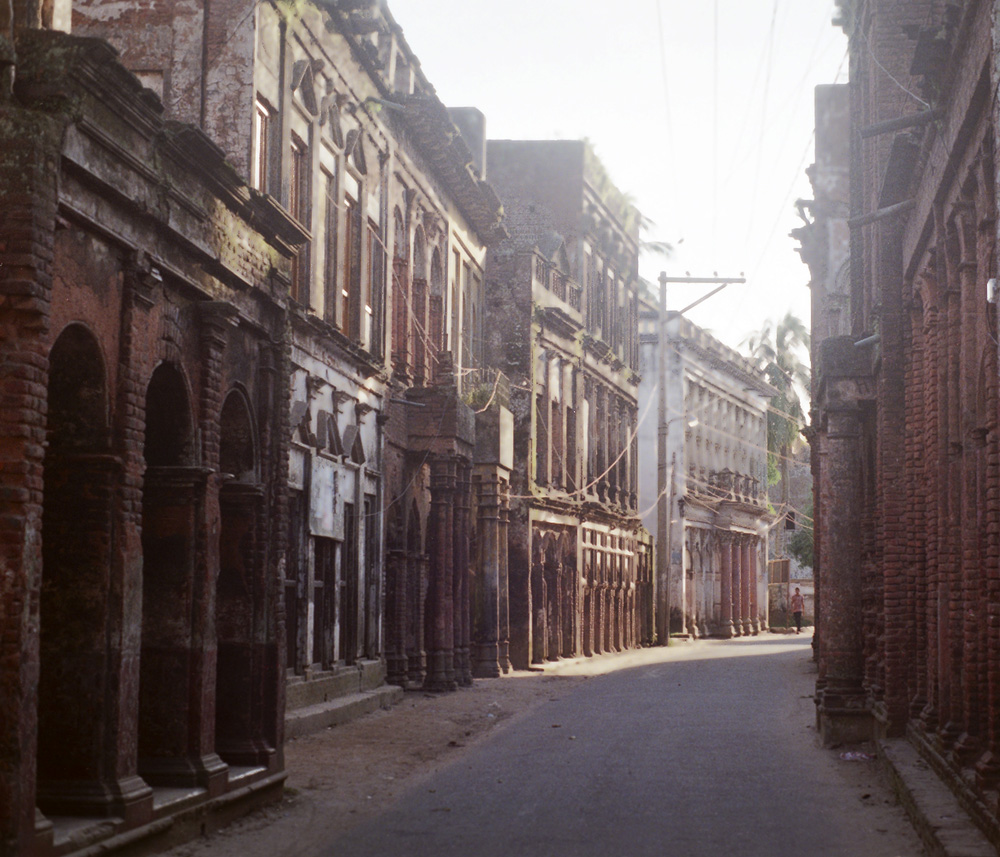
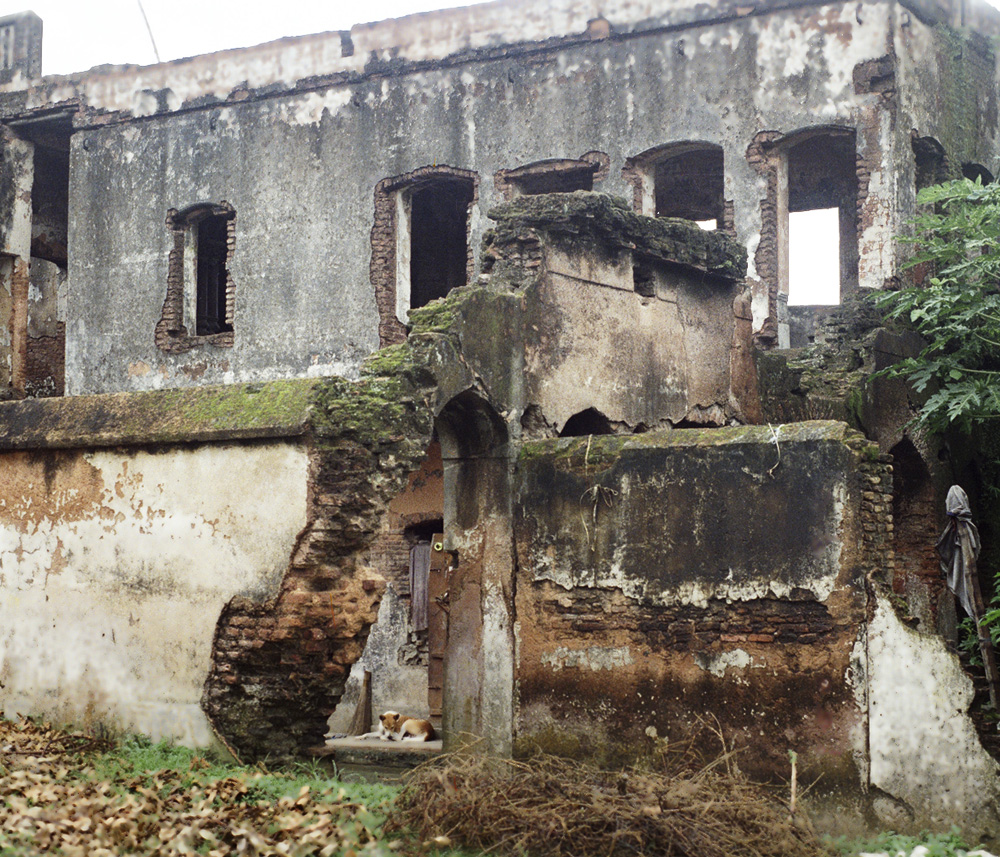
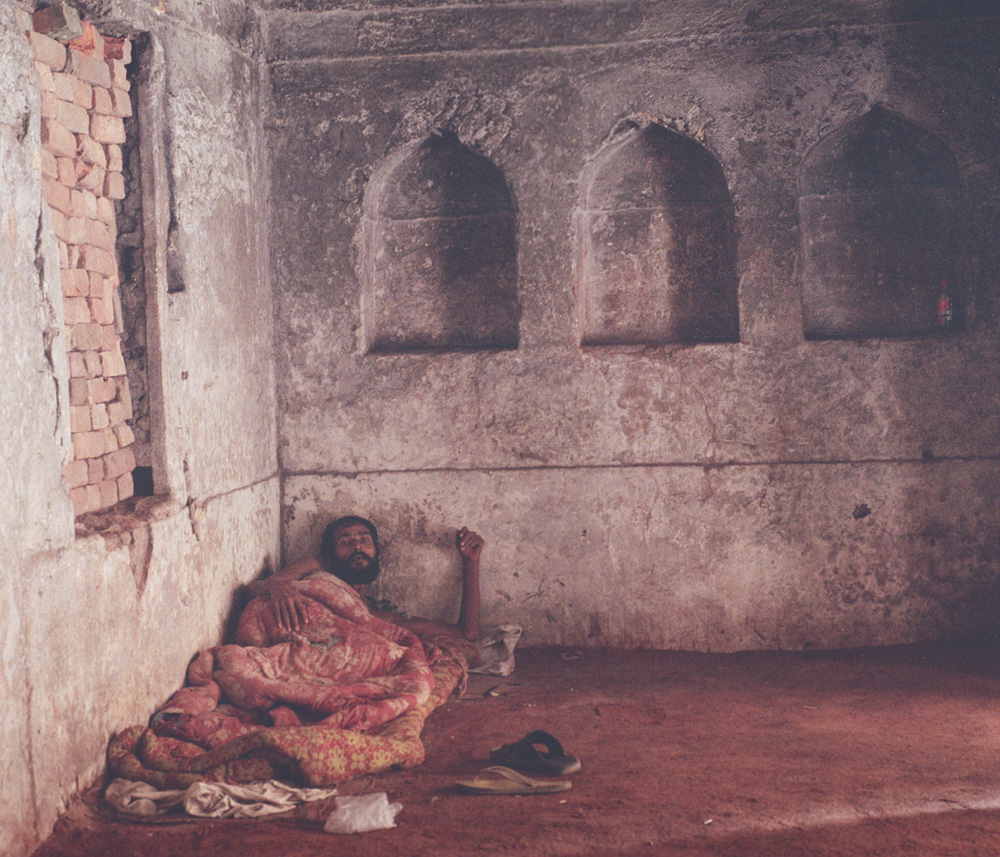
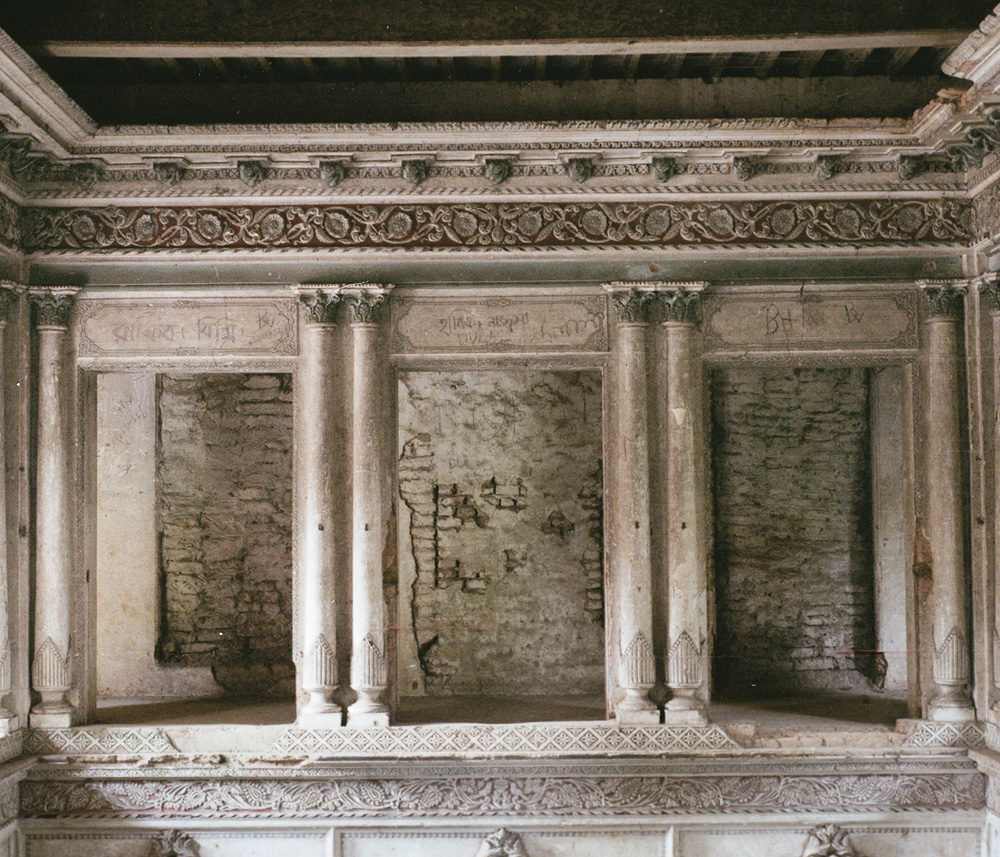
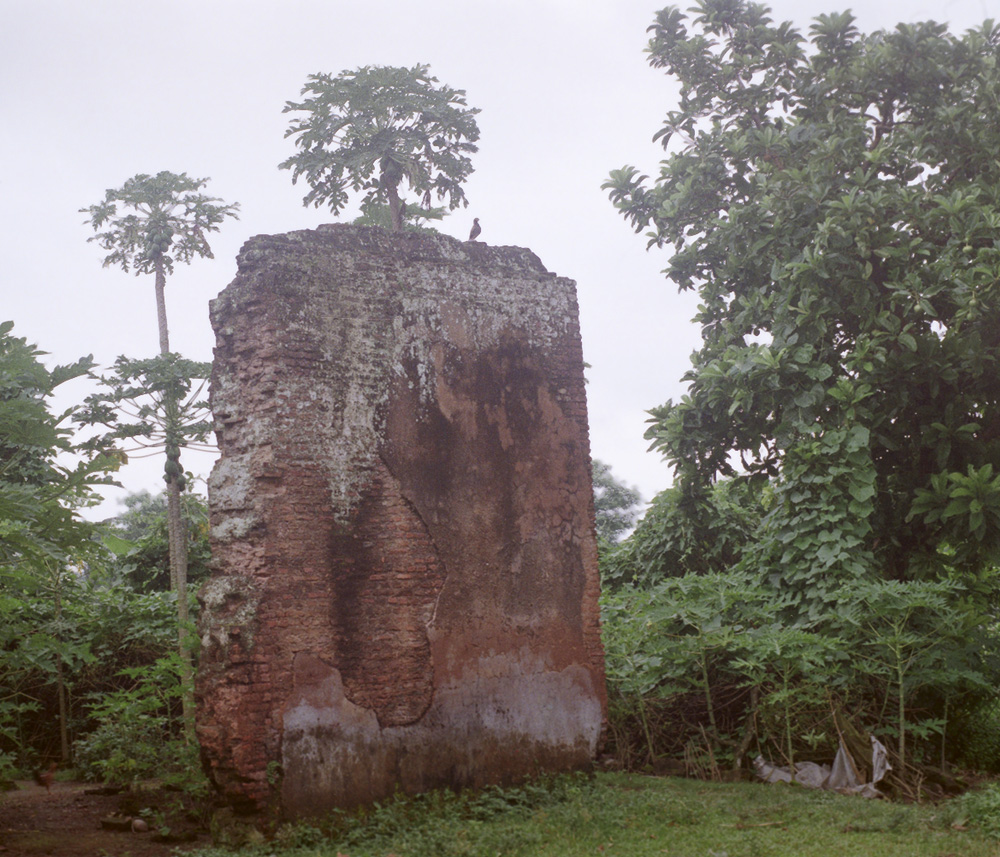
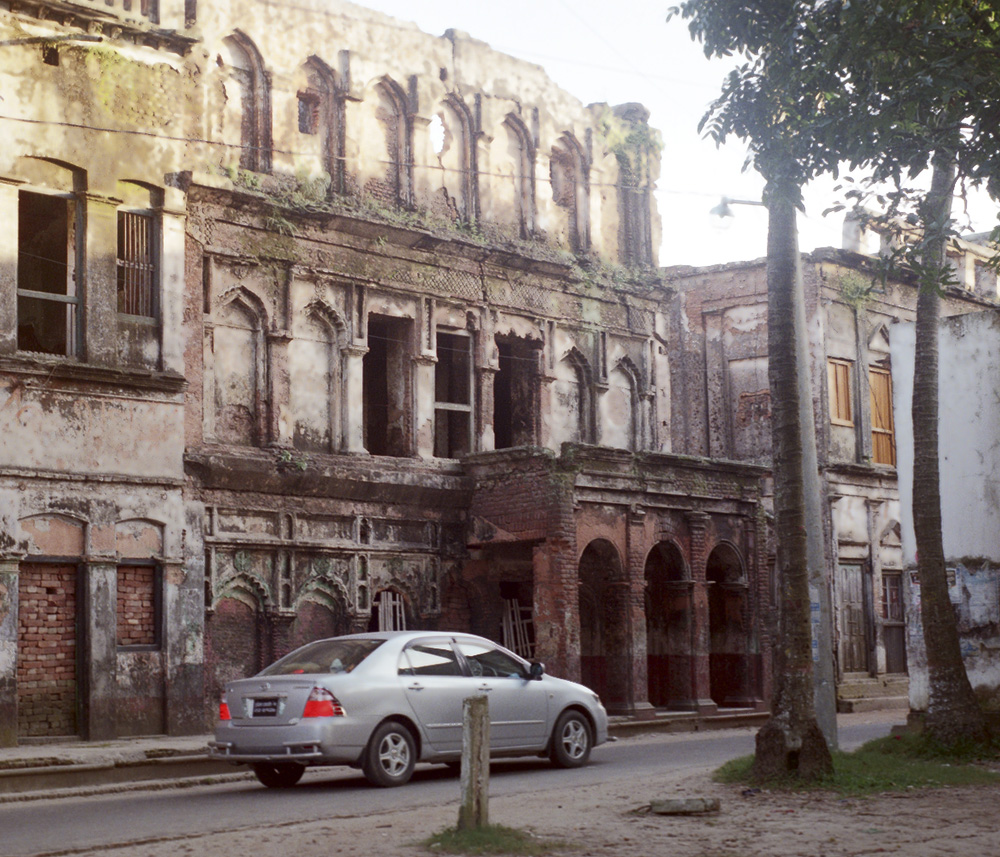
It once held countless kings, queens, princes, ministers, soldiers, and ordinary people. It was a city deeply connected to other parts of the region, carrying within it joy, glory, sorrow, and decline. Today, I think of Panam City, a place born nearly four hundred years ago. In 1611, Isa Khan declared this area an important center of Bengal, and it remained historically significant until the late nineteenth century. Today, only around fifty to sixty people from about fifteen families still live there, while only twenty to twenty-five houses remain standing in usable condition. Most of the current residents are Hindu and live in difficult economic circumstances.
In 2003, Department of Archaeology Bangladesh began preservation efforts, and in 2006 World Monuments Fund included Panam City in its watch list of one hundred endangered heritage sites.
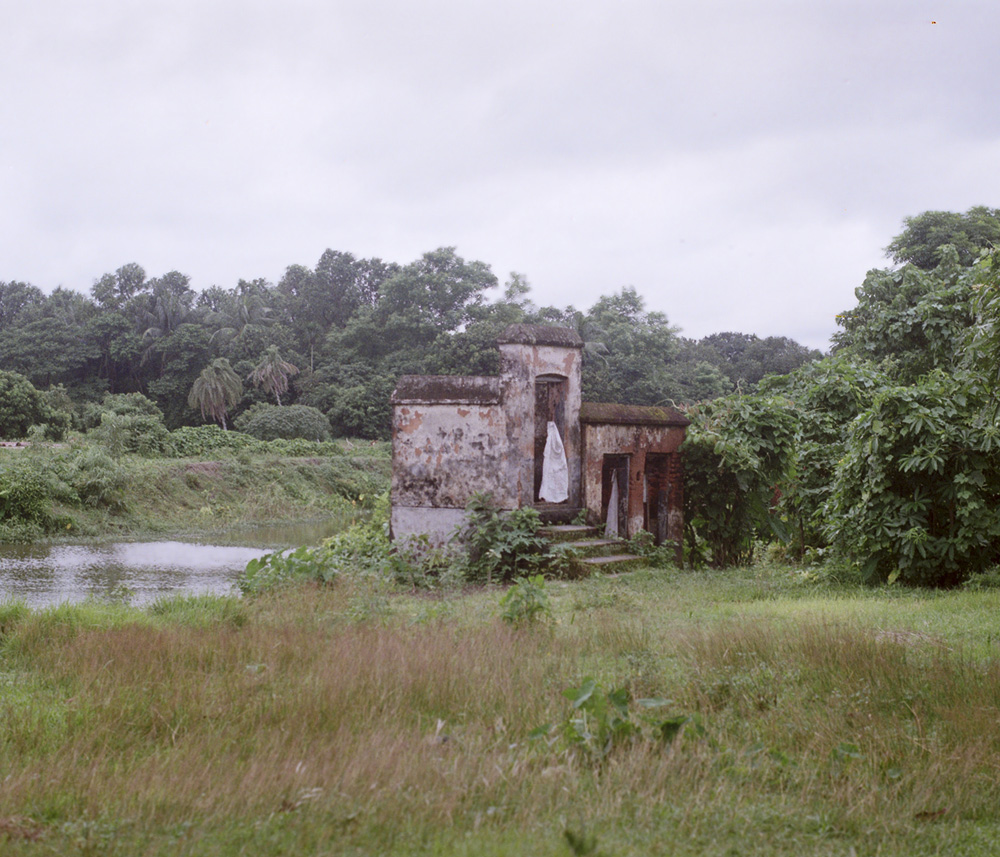
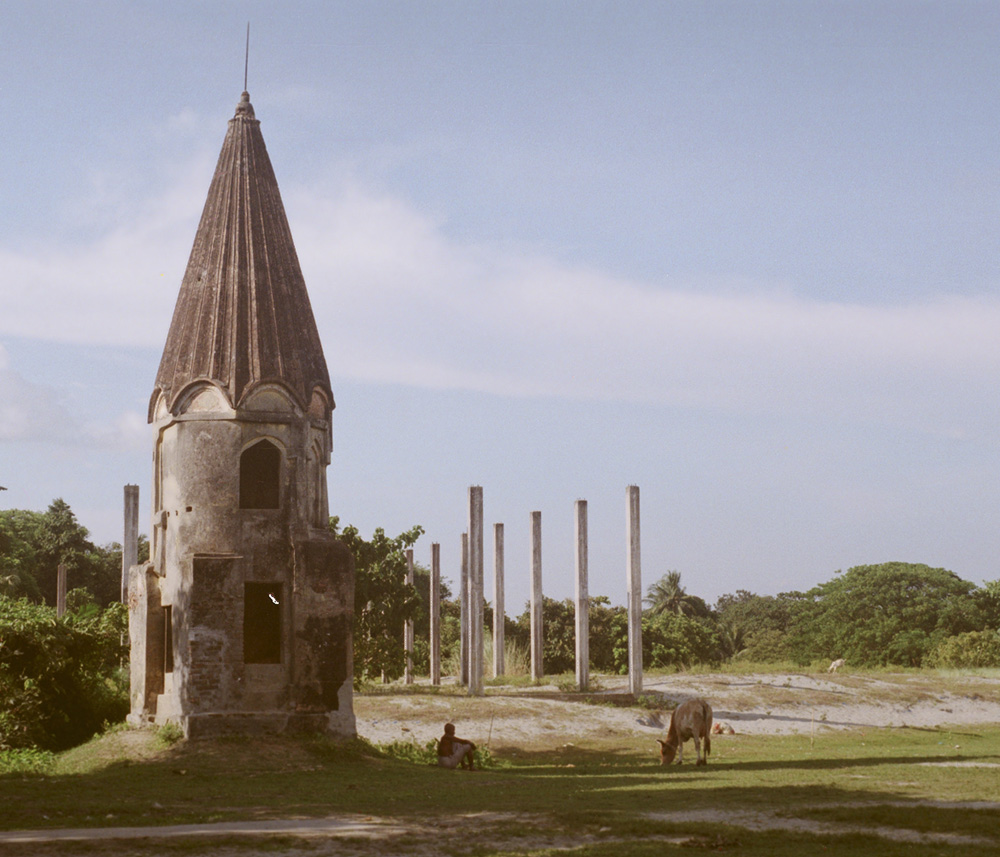
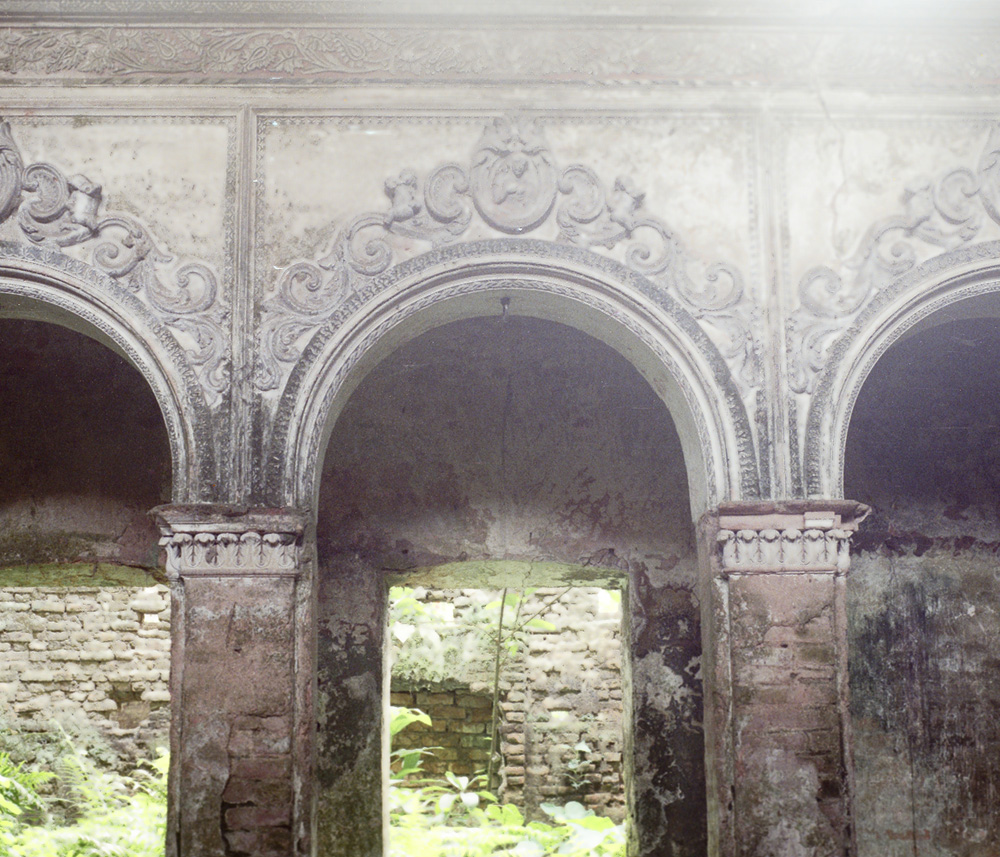
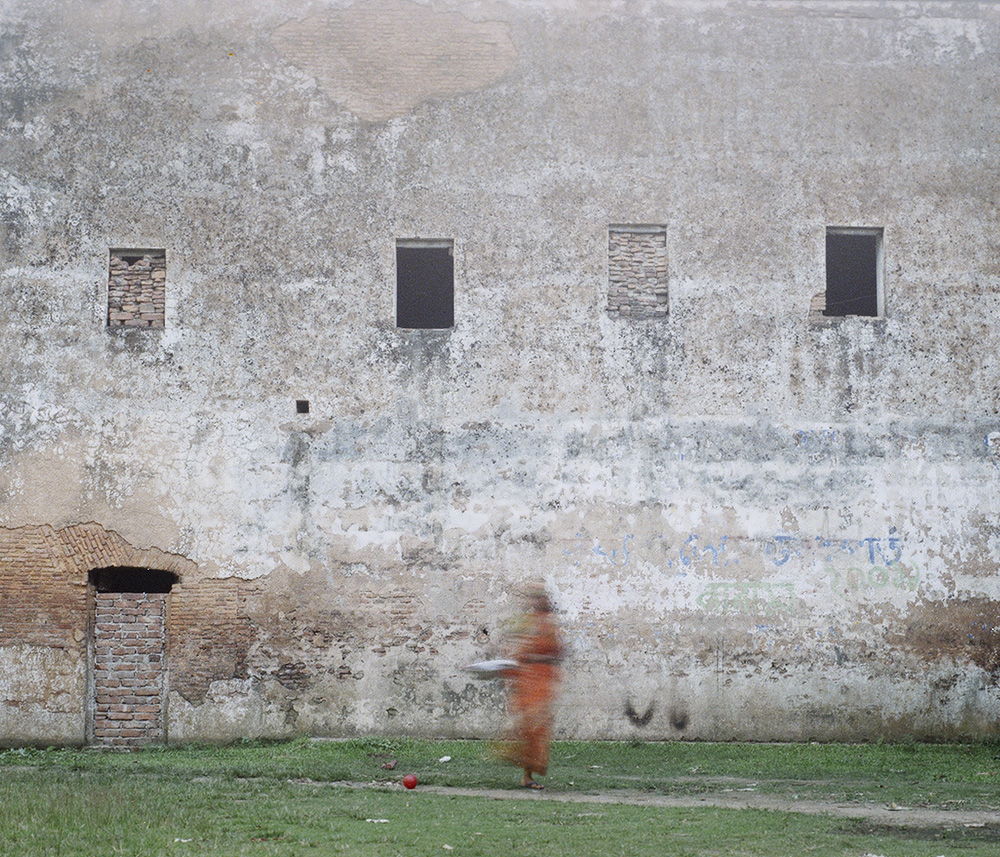
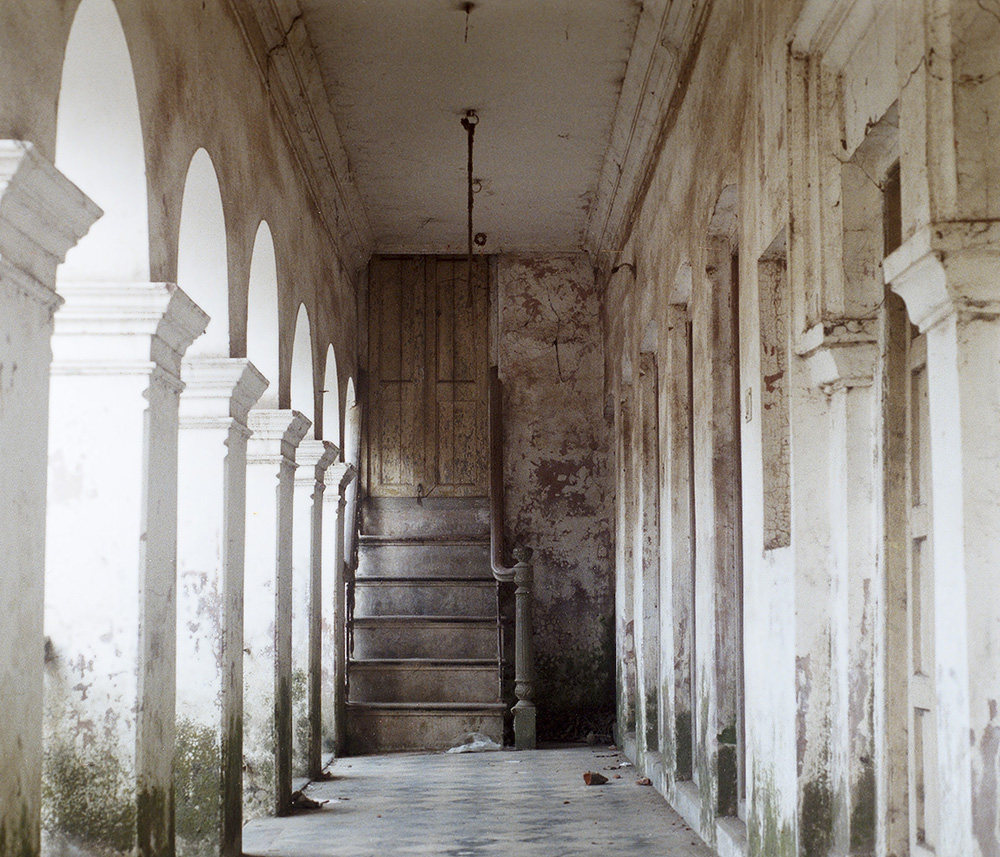
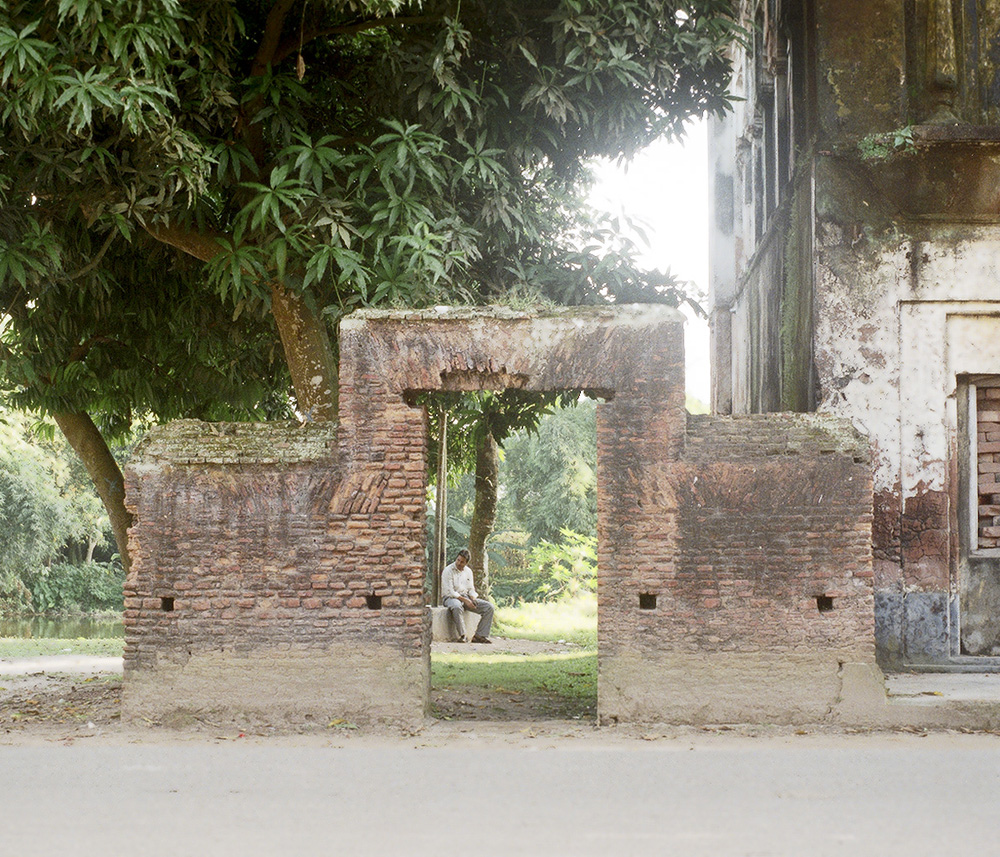
When I first visited in 1999, the city still carried fragments of daily life. More houses were inhabited then, and the atmosphere felt less abandoned. Over the last decade, however, the transformation has been drastic: fewer people remain, while empty houses dominate the landscape. These old vacant buildings seem to carry the scent of disappearance. The Panam Nagar I encountered no longer resembled the one described in my childhood history books.
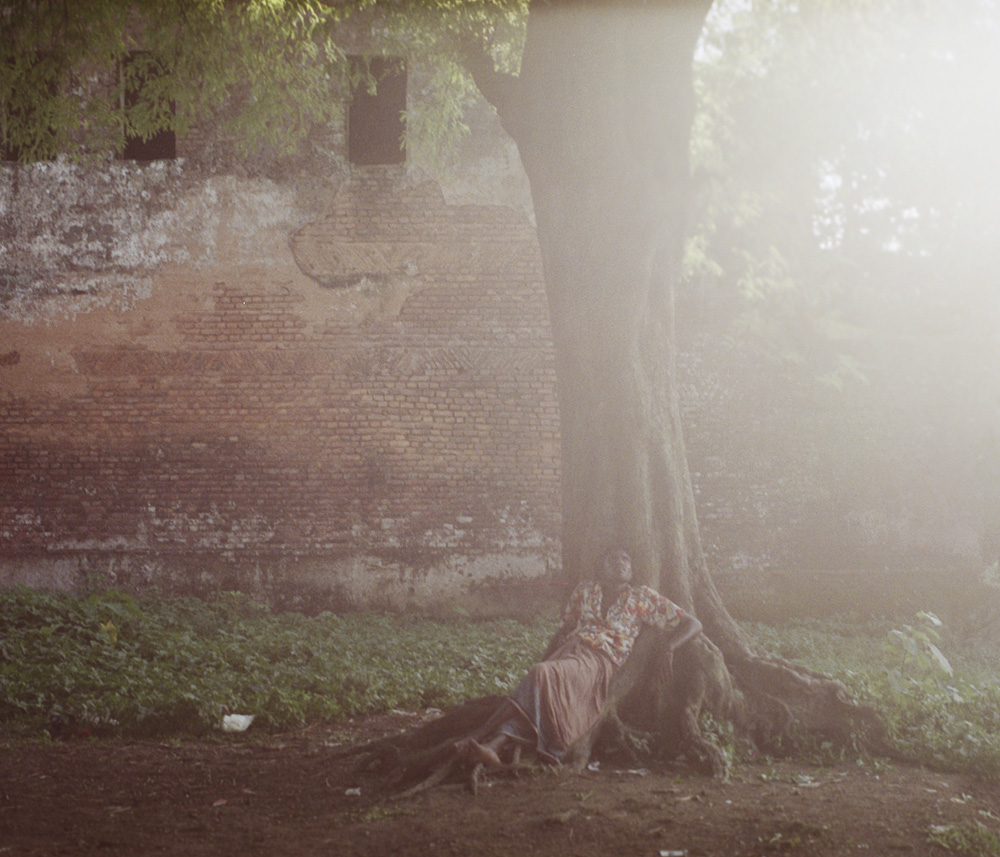
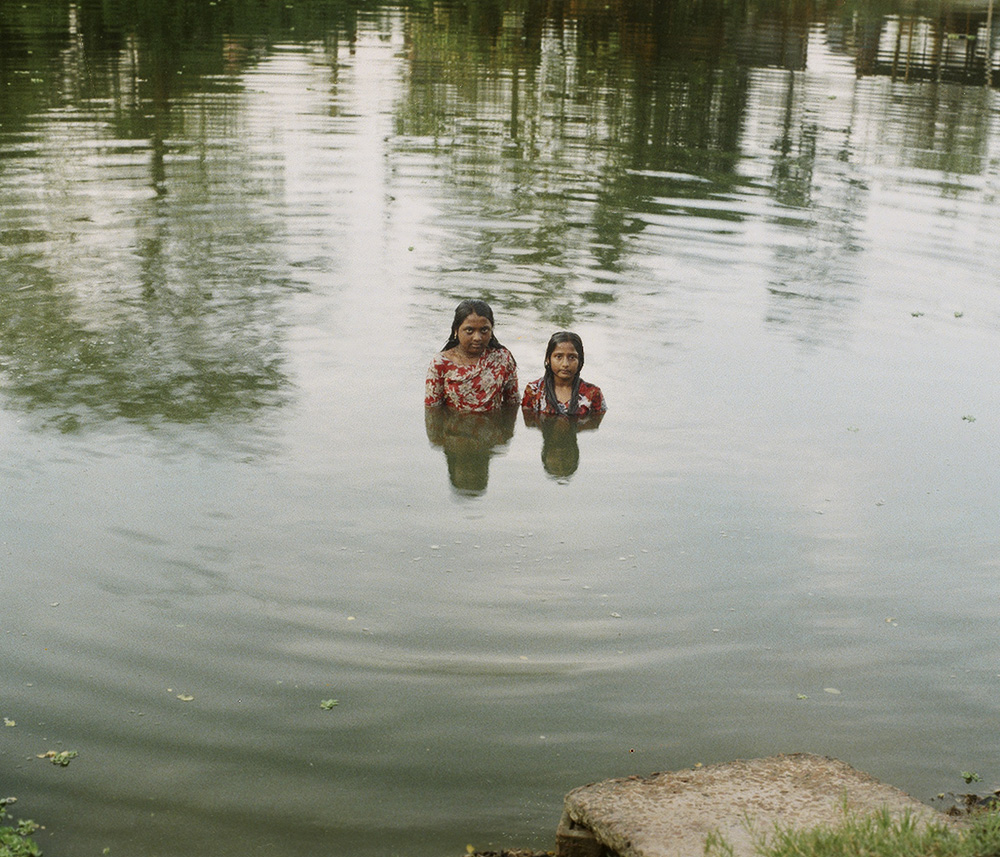
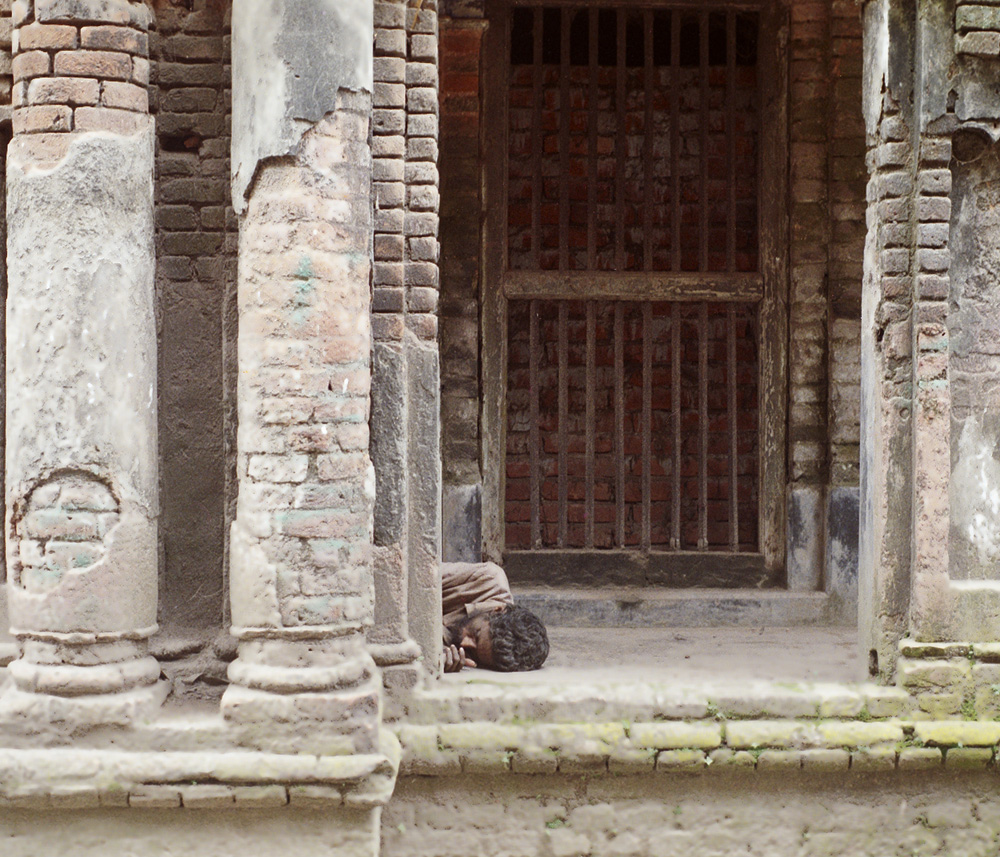
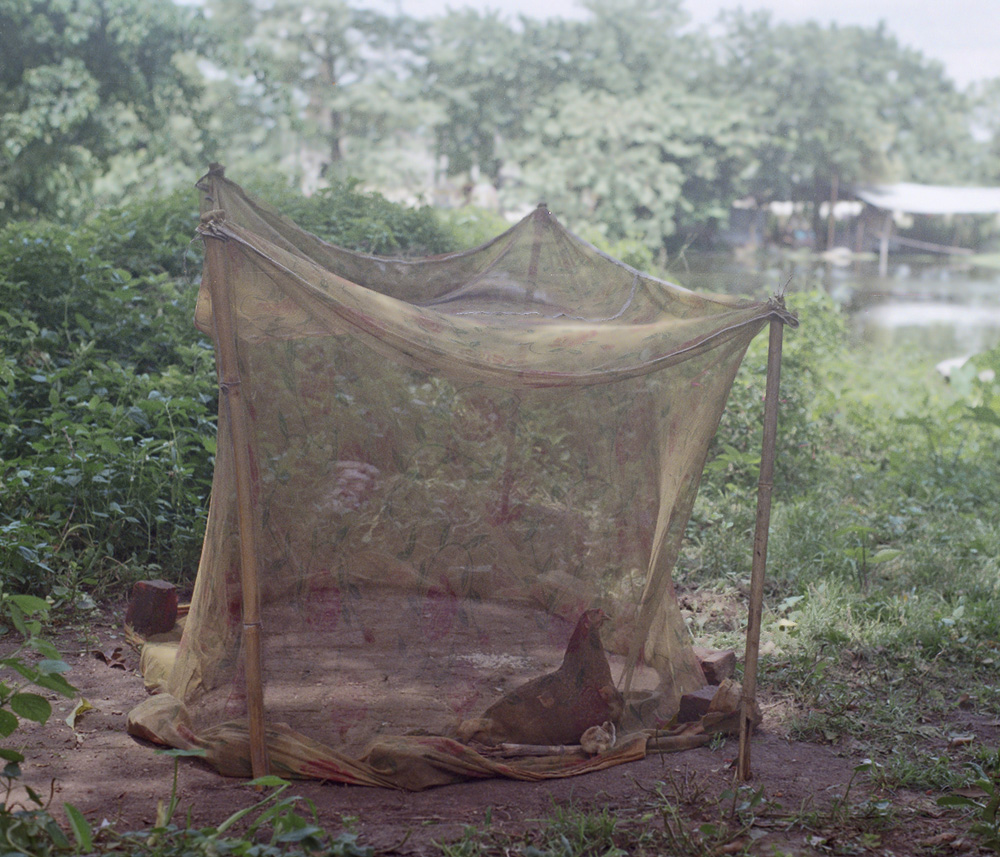
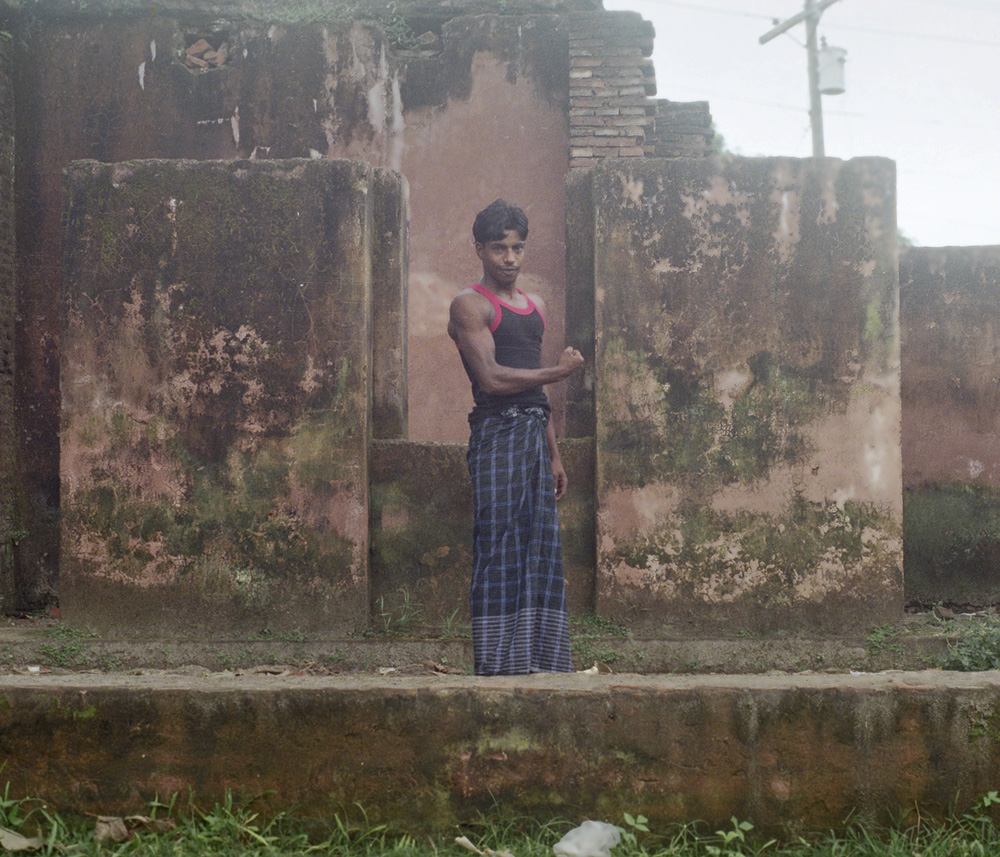
As a photographer, I felt a responsibility to engage with this place beyond observation. My first visit was simply as a visitor, but after returning to Dhaka I decided to return and photograph it carefully. I revisited the area, spoke with local residents, and recorded fragments of their lives. Many families remain there without secure housing and continue to live within the fragile remains of the old city.
For this project, I chose medium-format 6×7 film, believing that the material quality of film could carry a visual relation to the age and atmosphere of the site. The muted colours and low contrast emerged naturally as part of that decision.
None of the photographs were staged, reconstructed, provoked, or secretly recorded. I approached the work as direct observation, and all portraits were made with the full awareness of the people photographed.